There’s a moment every music-loving parent faces: the decision to buy their child’s first instrument. It’s tempting to think, “If I invest in something top-tier, maybe they’ll take it more seriously.” But here’s the truth—beauty in music comes from the hands and heart, not just the price tag.
Let’s explore why starting on a modest or even second-hand instrument isn’t just acceptable—it might actually be the smartest choice of all.
It's Not the Instrument. It’s What You Do With It.
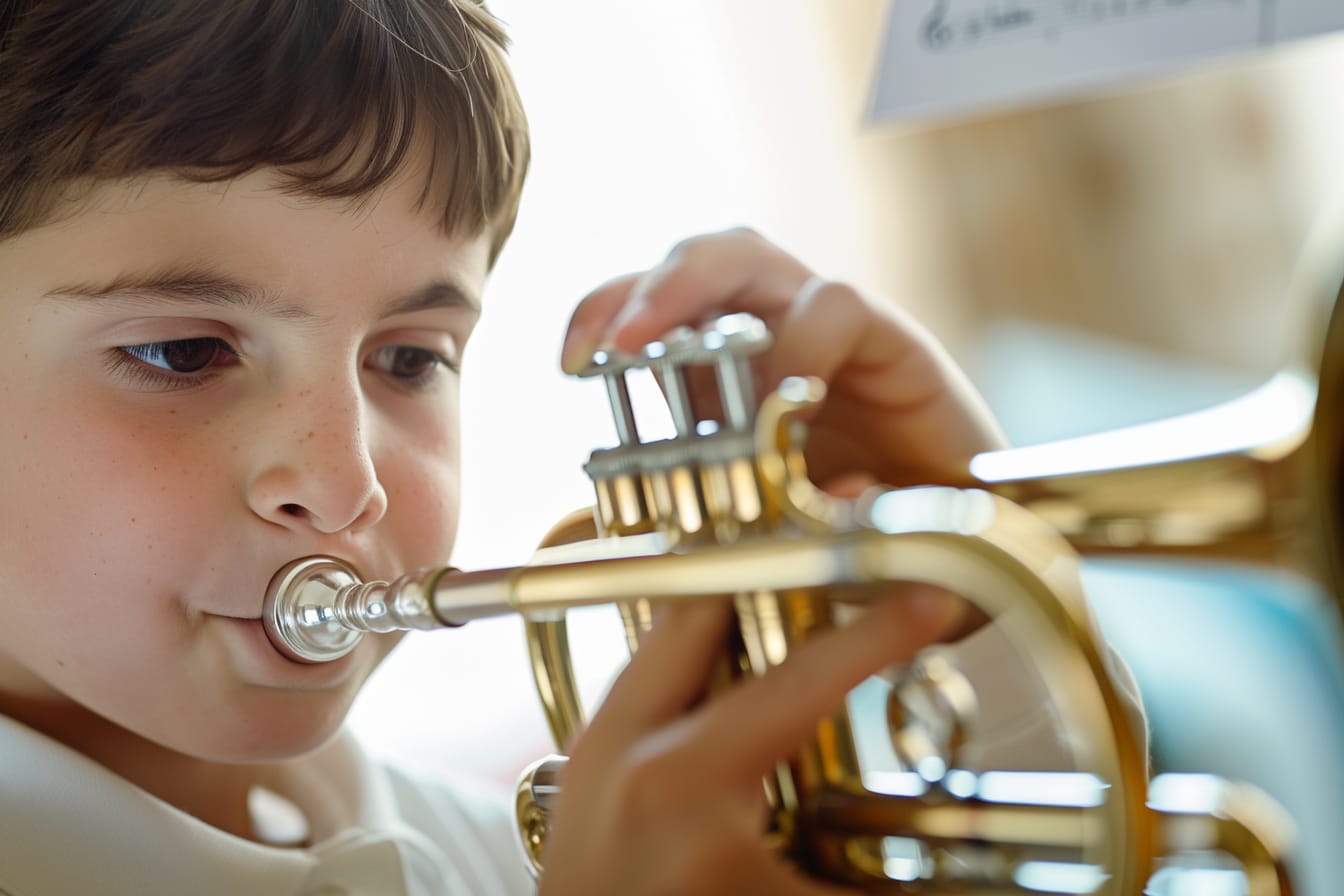
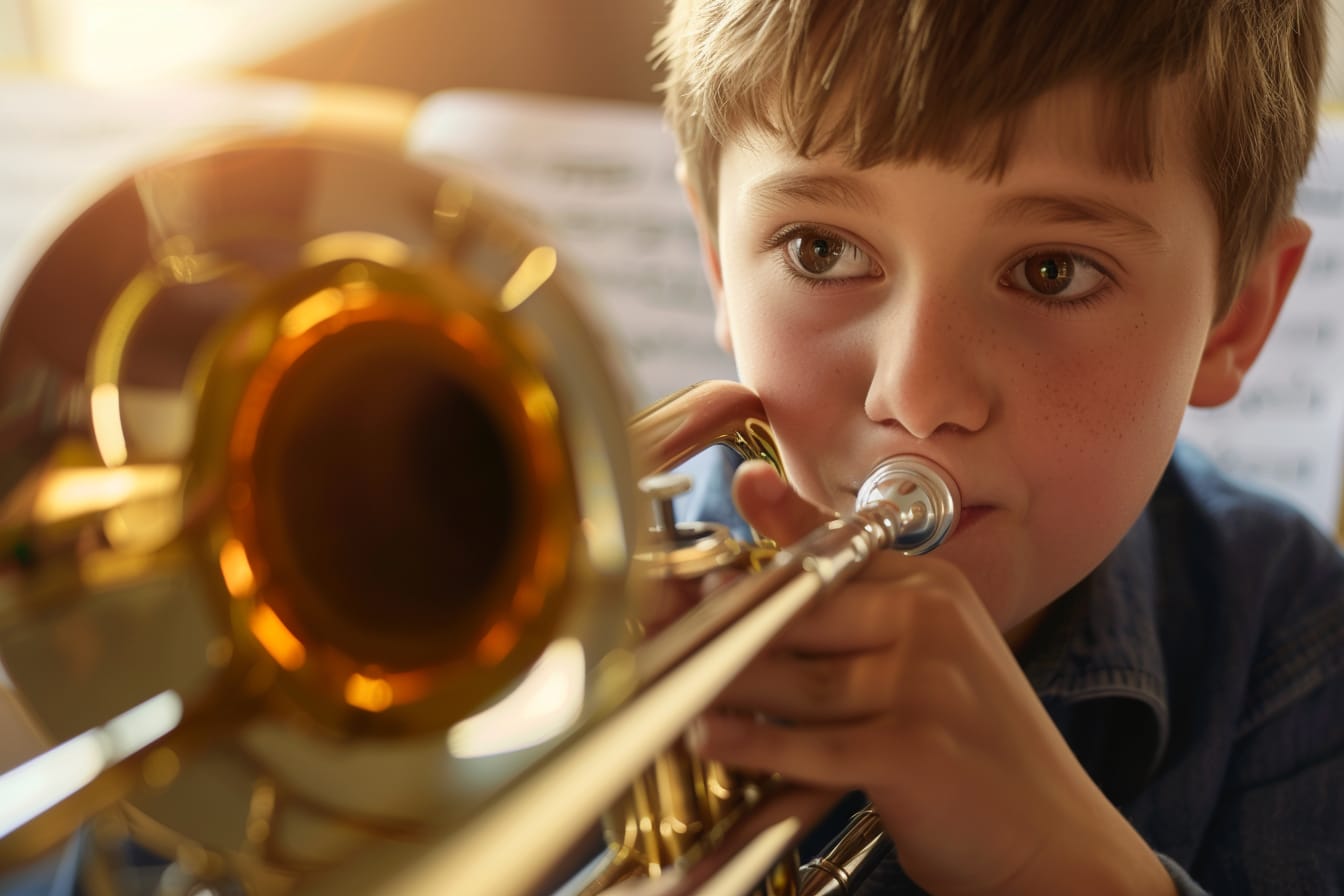
Many great musicians began their journeys on modest instruments. Not the shiny concert-ready tools we see in glossy brochures, but student violins with scratched varnish, old pianos with sticky keys, trumpets with slightly worn valves. And yet—they made music.
Because at the beginner stage, a child is not mastering tone color or nuance—they are building coordination, timing, ear training, and self-discipline. A simpler, affordable instrument allows them to focus on the fundamentals, without the pressure or fragility of a high-end tool.
The Best Test of Musical Readiness
One of the most beautiful things a child can learn early on is this: making something sound beautiful isn’t about how expensive it is, but about how well you treat it.
If a child can coax a sweet tone out of a $100 violin or an old upright piano, they are learning more than music. They are learning attention, care, intention, and expression. If they one day graduate to a concert instrument, it won’t feel like the beginning—it will feel like a reward they’ve earned.
Upgrading Later Is Normal—Even Expected
Most professional musicians didn’t start with the instrument they perform on today. They upgraded, sometimes multiple times, as their skills and ear developed. Buying an expensive instrument too early is like buying an Olympic-level bicycle for someone just learning to ride without training wheels. It’s not only unnecessary—it might even get in the way.
And when the time for upgrading does come? You and your child will both understand what they truly need—and appreciate it so much more.
Financial Stress Steals Joy
Let’s not underestimate this: if an instrument is too expensive, it can create tension in the home. Every time it’s touched, there’s a sense of pressure to "not damage it," "make it worth it," or "play it perfectly." That stress can crush early joy.
A modest, well-chosen instrument invites experimentation. It invites mistakes. It invites learning. And it invites parents to cheer for effort, not perfection.
It’s the Mind That Matters Most
No child was ever stopped from becoming a great musician because they started on a student-grade instrument. But many have lost motivation because the expectations around that instrument were too high, or the fear of failure was too loud.
The early years of music are not about dazzling performance. They are about building the habit, falling in love with sound, and developing the humility and resilience that music naturally teaches.
What to Look for in a First Instrument (Instead of the Price Tag)
- Good playability – It should be easy enough for small hands or breath capacity
- Decent intonation – Even a modest instrument can be in tune when set up properly
- Comfortable fit – Especially for violin, cello, or wind instruments
- Basic durability – It should withstand beginner handling
And most importantly: a child should feel proud to hold it, not afraid of it.
Your Investment Is in the Musician, Not the Instrument
When you choose a starter instrument, you’re not making a forever choice. You’re making a foundational choice. One that says: “Let’s start this journey with joy, patience, and realism.” And that’s the kind of message that helps a child flourish in music—not only technically, but emotionally and creatively.
A humble beginning is still a beginning. And often, it’s the most meaningful kind.