A Young Musician’s First Year
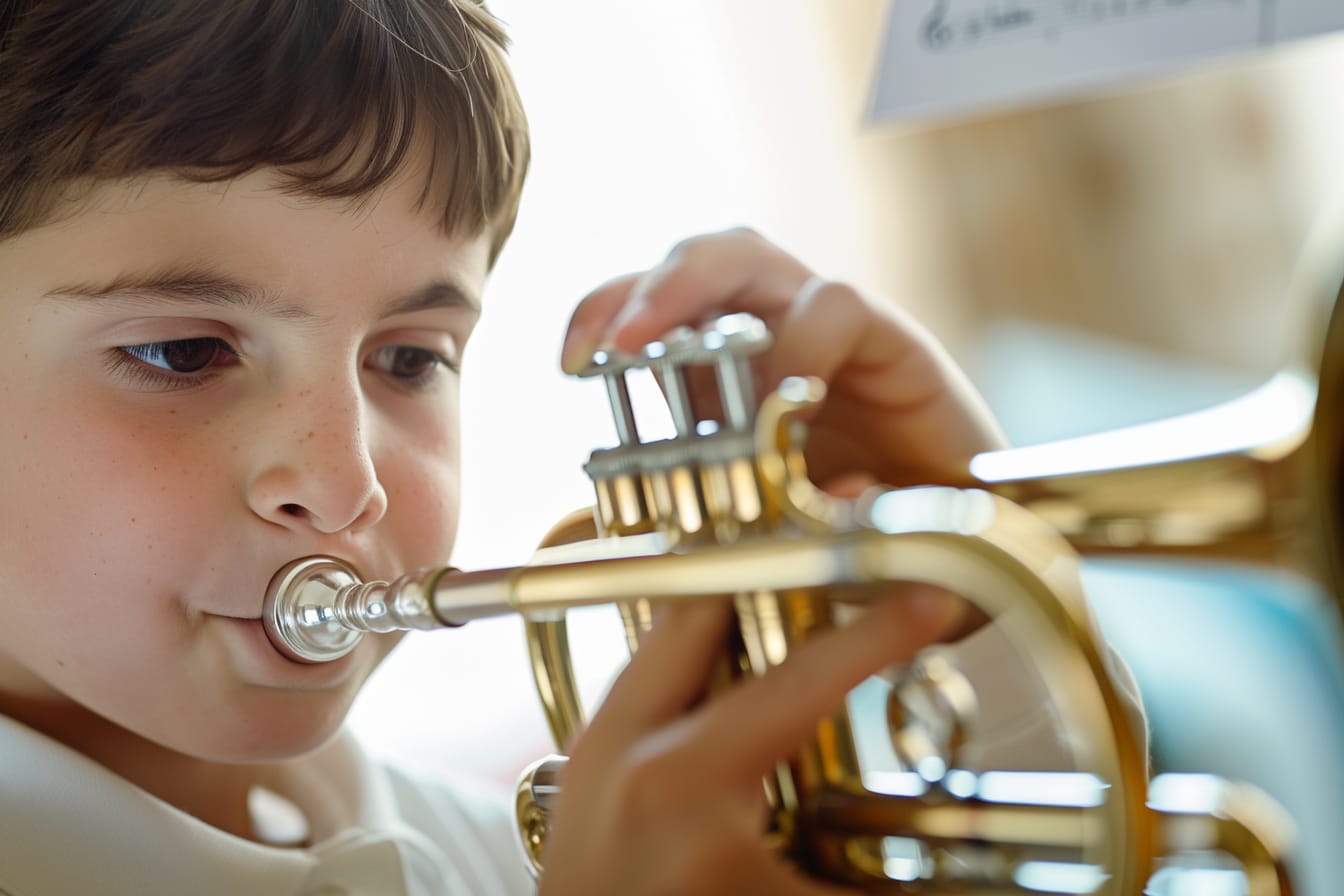
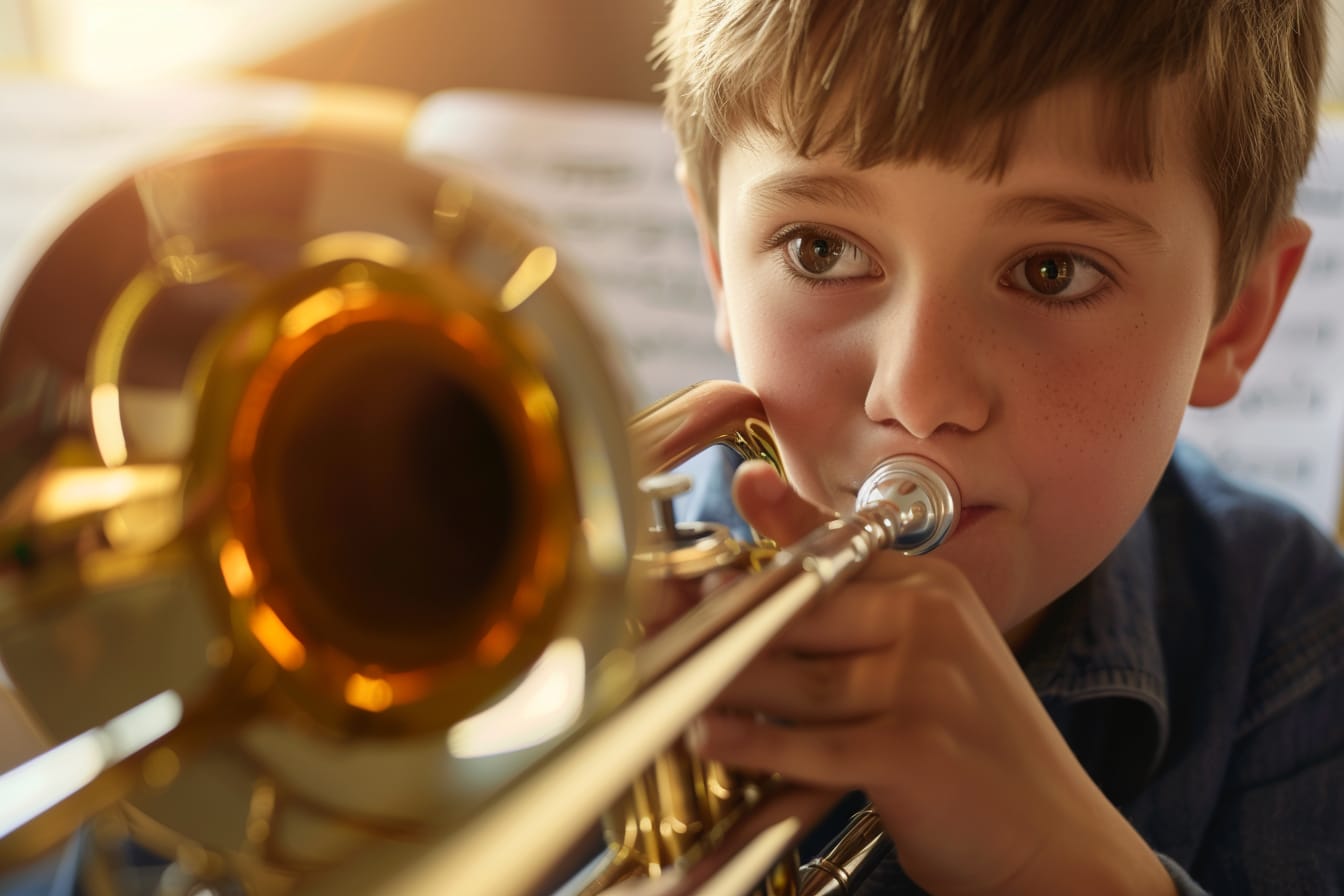
Imagine holding a shiny trumpet for the first time, or wrapping your fingers around the curling coils of a French horn. At first, the instrument feels like a puzzle—heavy, mysterious, even a bit intimidating. But something changes the moment you make your first real buzz and hear that bold, beautiful sound echo back.
The First Struggles (and Laughs)
The early weeks of brass playing are full of surprises. Making a consistent tone takes practice. Your lips get tired. Breathing feels funny. And don’t be shocked if your first few notes sound more like a goose than music.
But there’s also laughter—lots of it. Especially when a whole classroom of beginners plays “Hot Cross Buns” like it’s the national anthem.
Small Wins That Feel Big
Then one day, you play your first real scale. Or you hold a long note without cracking. Or your band teacher smiles and says, “Yes, that was it.”
That’s when something clicks. You start to hear how your horn fits into the group. You begin to feel music—not just play it.
Growth Beyond the Instrument
Brass playing teaches you discipline. You learn to breathe deeply, to focus, to listen. You build strength in your lungs, face, and even core. You feel your confidence grow as your sound grows.
By the end of the first year, you’re not just a student anymore. You’re a musician. You’ve found your voice in brass—and that’s something that sticks with you for life.