Lessons

Lessons of Music Theory (Solfeggio) in Minneapolis

Our Minnesota’s Talent School offers private lessons in Music Theory (Solfeggio)

  • Level

    We teach kids and adults as well. We have an experience for both audiences

  • Duration

    Our lessons could be 30, 45 or 60 minutes length, depending on your level and goals

  • Full Focus

    We provide private lessons

Tuition

Music Theory (Solfeggio)

45 minutes
$30

Music theory

Theory runs in three-month courses, one class a week, and ends with an exam. Theory is available only as this course, not as separate lessons. After three months and the exam the student moves on to the next level.

Payment is made a month or a quarter in advance — see the terms.

Why this instrument

Why Choose Studying Theory?

01

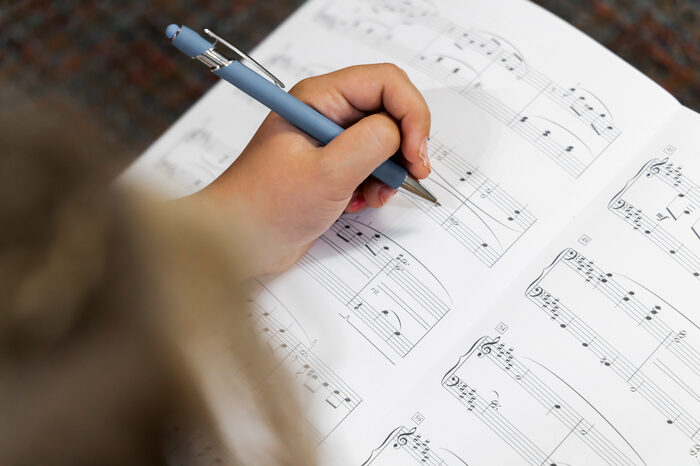
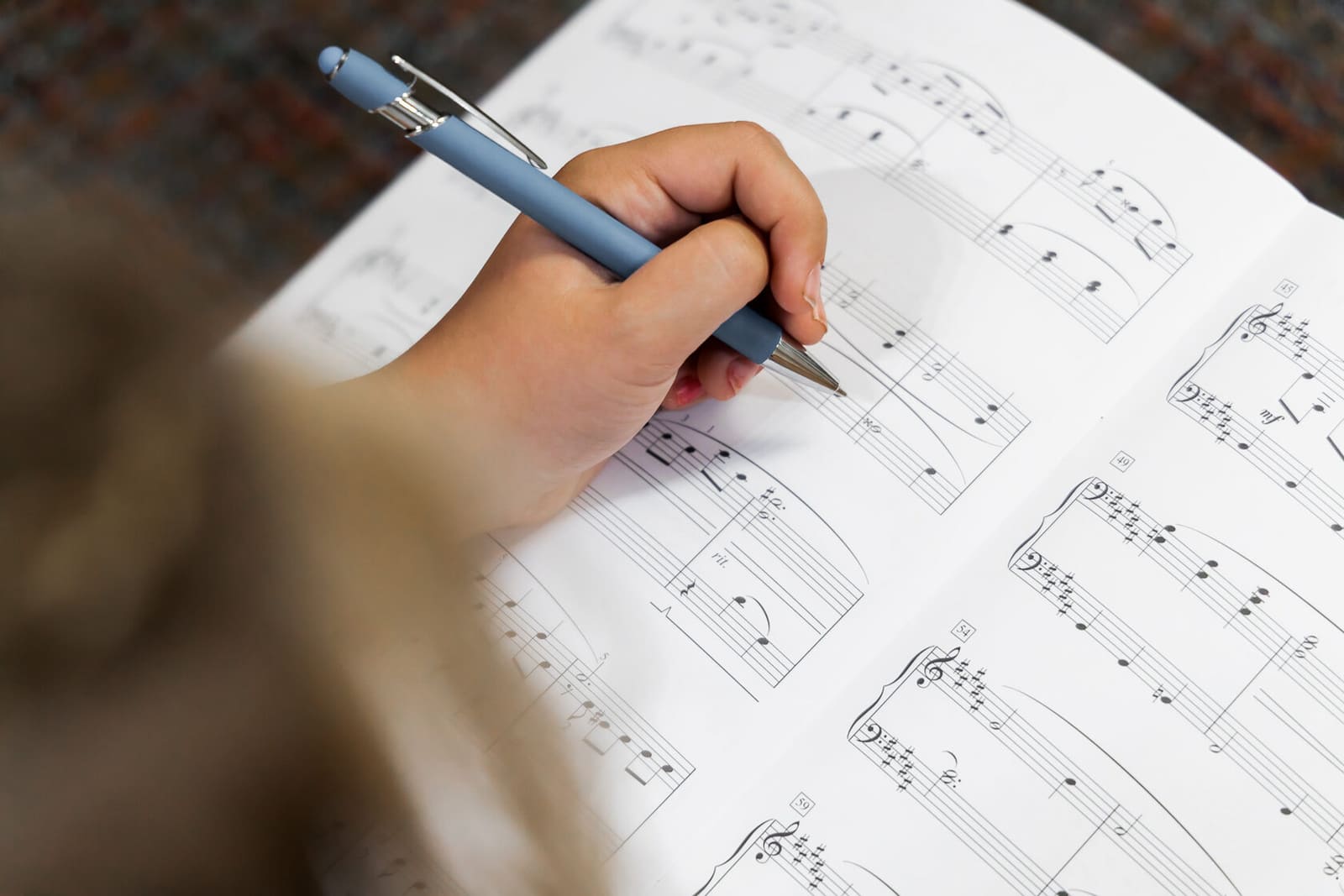
The ability to read from a note sheet

Solfeggio opens an opportunity to professionally play an instrument. Musicians who seek to work in well-known bands or platforms find that one of the top requirements is the ability to read from the note sheet. Additionally, it is very difficult to build a large repertoire without the knowledge of theory. Why memorize thousands of songs if you could master theory in a few months?
02

Can I compose songs?

Many successful musicians who did not pay enough attention to theory lament afterward. The lack of knowledge is especially noticeable when you create a beautiful composition in your mind, however, it cannot be conveyed to others in all subtleties.

03

You will be able to play with musicians around the globe

Music is an international language. Not every musician knows English, however everyone speaks the same language of music theory. Theory will help you communicate with other musicians and compose melodies together.

04

Less rehearsals, more performances

Distance would cease to be an obstacle. Today, hundreds, even thousands of musical groups are scattered all over the world, and do not have the opportunity to meet at a convenient day and rehearse. How do they play? They write music individually – each their own part, sharpen it to shine and then rehearse a day before a performance. Professionals do not rehearse for years, they go on stage and play. In order to reach this level, you need to know solfeggio well.

05

Advanced Hearing

Audition – is the most important development of all musicians and vocalists. The hearing is improved through solfeggio exercises. Knowing the theory of music will help you practice on your own and hear details everyone else is neglecting.

06

Expansion of consciousness

The theory of music accelerates brain activity alike mathematics. Music is one of the few practices that incorporate both hemispheres of the brain and uses them as a whole. The practice of solfeggio will improve your brain functions, such as memory, problem solving, creativity and more.

What is taught in Solfeggio and Theory

  • Basic musical literacy
  • Singing from a note sheet
  • Developing hearing with intonation exercises
  • Basics of composition
  • Mastering chords

What is the best age for starting Solfeggio and Theory?

For adultsFor adults

It’s never too late to learn how to play! We welcome beginners and all levels no matter what age!

Why theory is worth the effort

80% of beginner musicians who encounter musical theory cease or either cool off in their eagerness. Most decide to study everything except solfeggio. “Why learn theory, of you, can play an instrument without it?” they ask. We have developed several answers to the following question.

On stage

What Performance Opportunities Does Minnesota’s Talent School Offer?

We believe that showcase events are a great boost for our students to reveal their performing abilities to the fullest and, at the same time, the perfect opportunity to make a step towards a professional musical career. That is why Minnesota’s Talent School puts a lot of effort into the organization of concerts and performances of any kind.

  • Talent School Recitals: Holiday Recital, Spring Recital, and Summer Recital
  • MMTA Exam Program
  • Jamming in the rock band or guitar ensemble
  • T. S. guitar ensemble
  • State and local contests, festivals, and recitals
  • Workshops with guest musicians