
How Brass Instruments Work
Every brass instrument—from trumpet to tuba—has the same magical origin: a buzzing pair of lips into a metal mouthpiece. But what happens after that buzz travels through the curves and coils of the instrument is a blend of science, craft, and musical design. Let’s open up the hood and explore how brass instruments really work.
The Buzz Starts It All
Brass instruments don’t make sound from strings or reeds. Instead, it all starts with the vibration of the lips. When you blow air through tightly pressed lips into the mouthpiece, you create a buzzing sound, which then travels through the instrument.
The length and shape of the tubing—and how much of it you use—change the pitch of the sound.
Valves: The Brass Keyboard
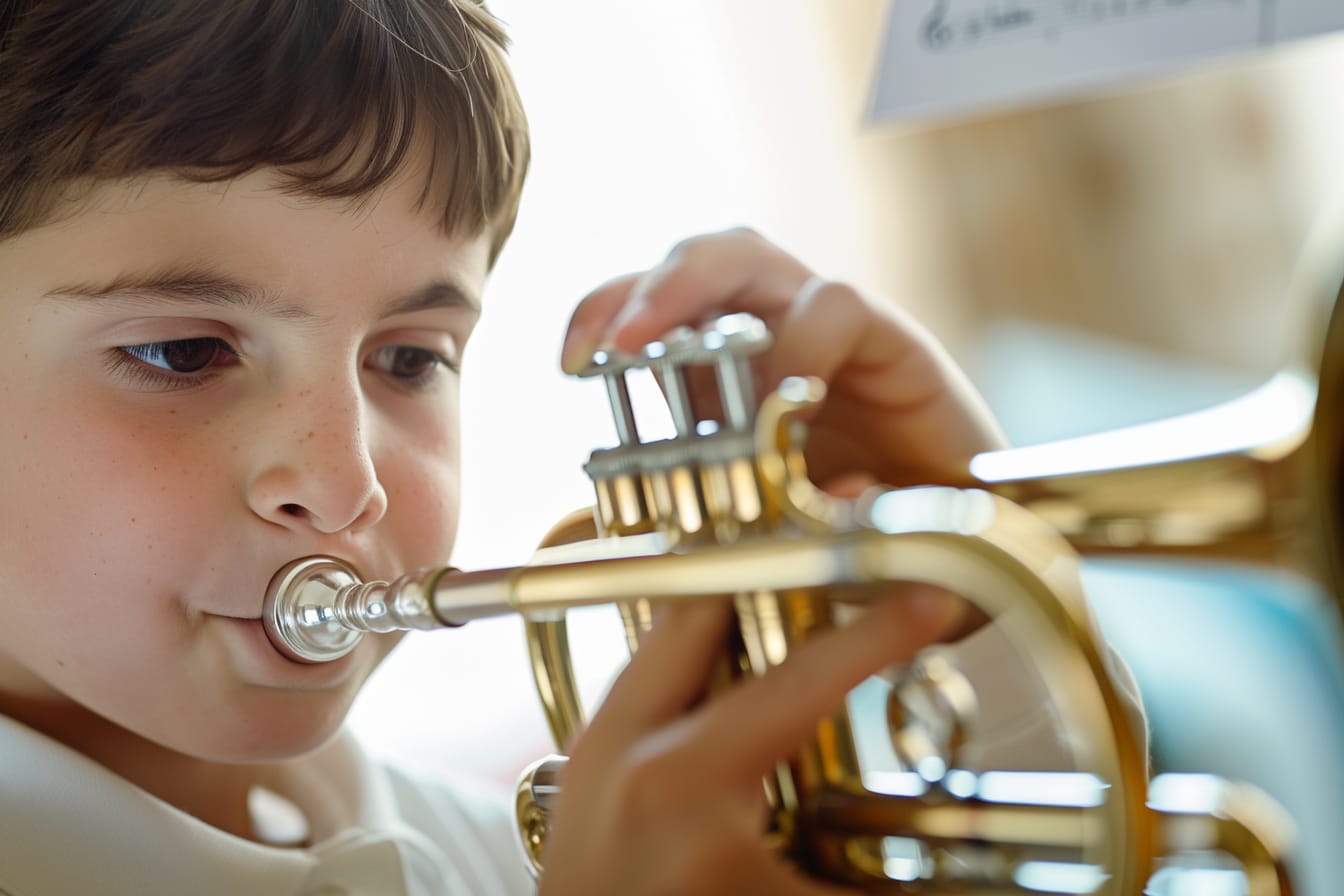
In instruments like the trumpet, French horn, tuba, and euphonium, the player uses valves to redirect the air through extra tubing. Each valve adds a specific length of tubing:
- 1st valve lowers the pitch by a whole step
- 2nd valve lowers it by a half step
- 3rd valve lowers it by a minor third
By combining different valves and using precise lip control (embouchure), brass players can create all the notes of the scale.
Slides: Flexible Pitch in Real Time
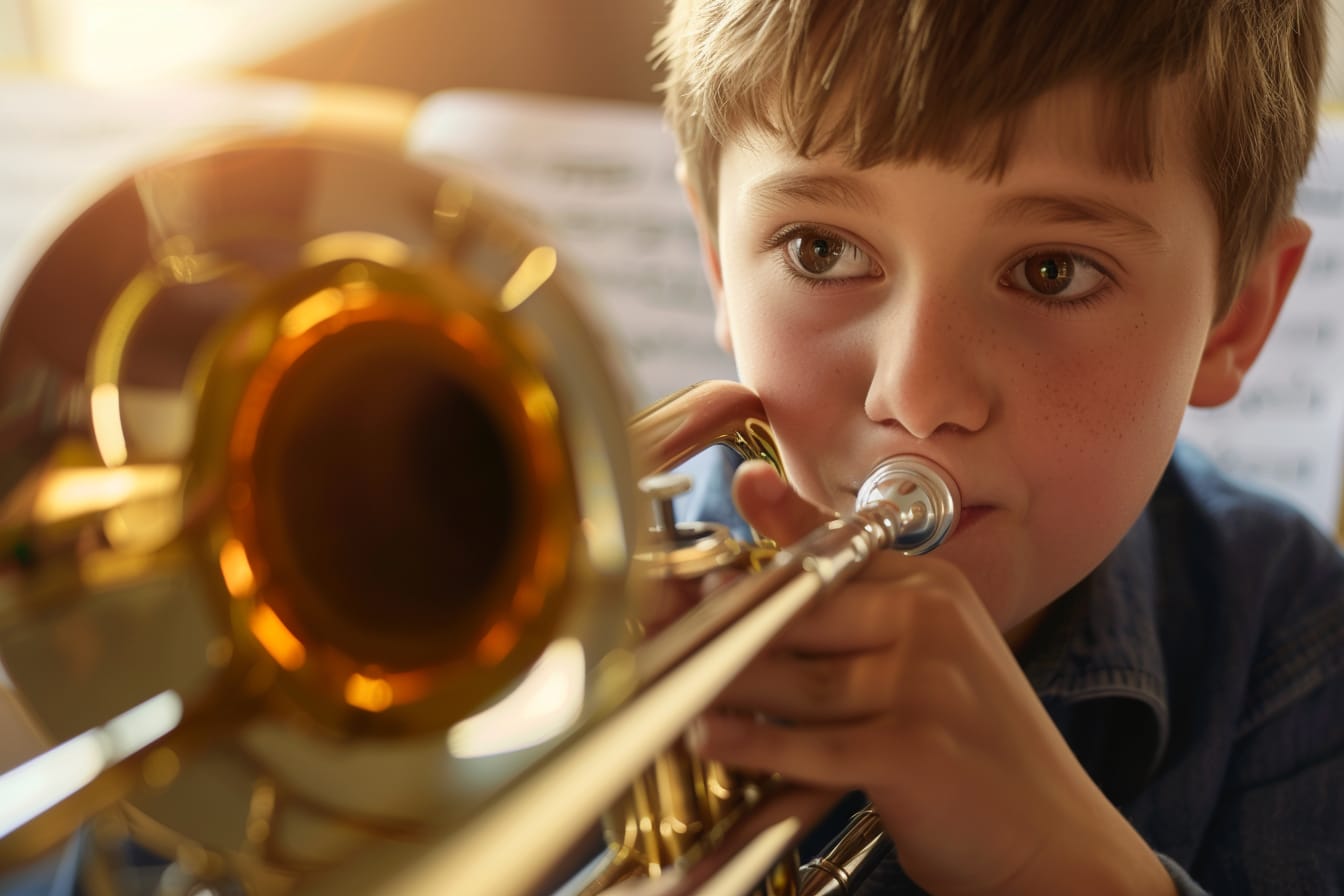
Some brass instruments—like the trombone—don’t use valves. Instead, they use a slide, which the player moves in and out to adjust the pitch in real time. It’s like playing a string instrument without frets—smooth and expressive but tricky to master.
The trumpet and horn also have small tuning slides to make fine pitch adjustments for individual valves.
The Bell: Where the Music Blooms
The sound travels through the tubing and finally emerges from the bell—the flared end of the instrument. The bell helps amplify the sound and give each brass instrument its distinctive voice: bright and sharp in a trumpet, warm and round in a horn, deep and mellow in a tuba.