A Message to Parents of Music Students
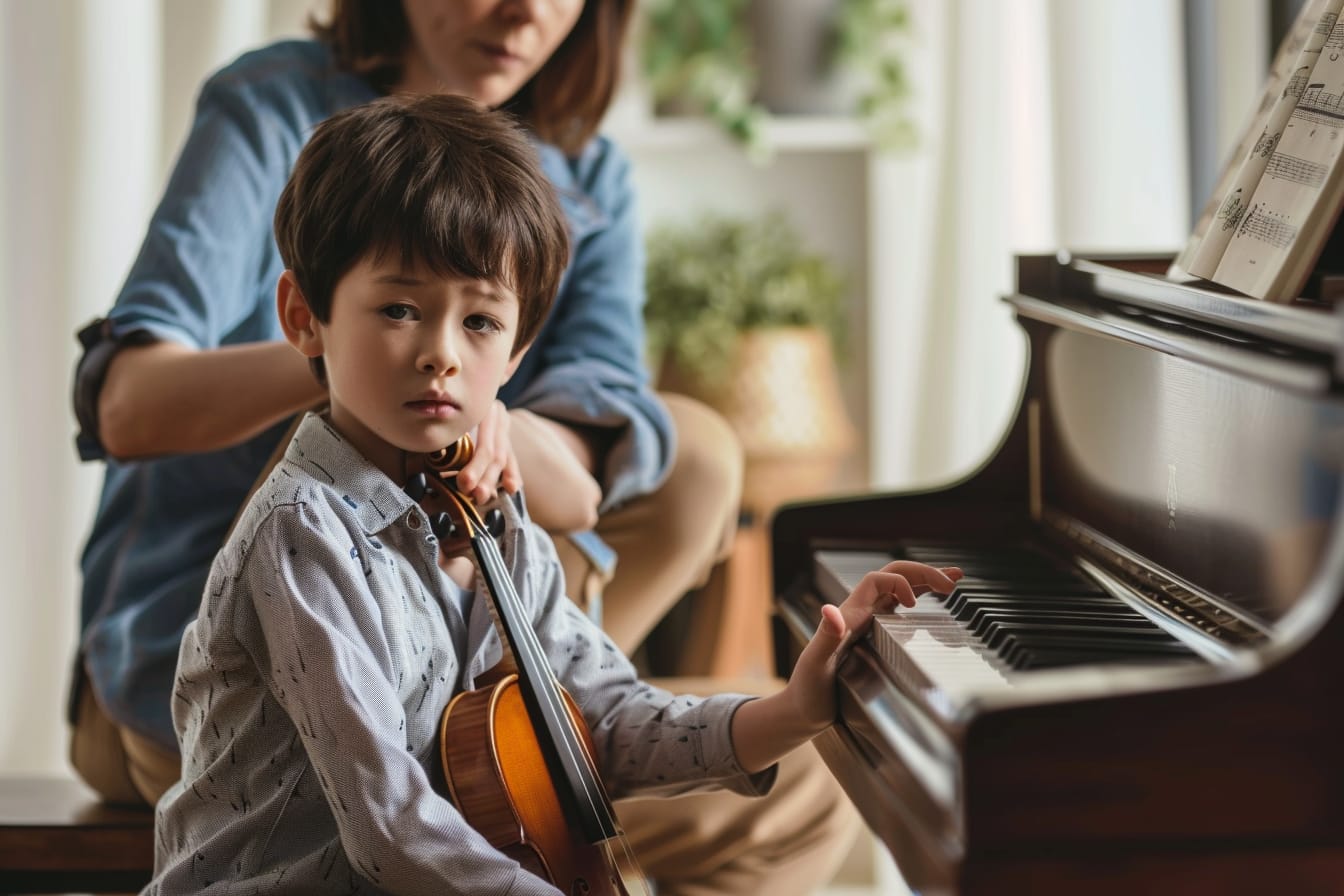
It’s a common rhythm in many homes with young musicians: music lesson, praise from the teacher, a proud smile, and then—silence. Days pass. The instrument rests untouched. And the next lesson begins exactly where the last one left off.
If this sounds familiar, you're not alone.
But here’s the quiet truth behind every confident performer and every joyful musician: they didn’t grow through lessons alone—they grew in the moments between them. Alone. At home. Sometimes joyfully. Sometimes with frustration. But always growing.
And that’s why solo practice matters.
Lessons Are the Map—Practice Is the Journey
A music teacher gives your child the tools: posture, fingering, rhythm, musicality. But the lesson is just the beginning. No teacher, no matter how gifted, can do the real work for your child.
Practicing alone is where your child begins to make sense of what was taught.
It’s where instructions turn into habits. Where fingers remember patterns. Where notes begin to sound like phrases. It’s not about perfection. It’s about showing up again, even when the teacher isn’t watching.
Solo Practice Builds More Than Skill—It Builds Independence
When your child practices alone, something quiet and powerful happens. They begin to trust themselves. They listen differently. They correct their own mistakes. They try, fail, and try again.
In those moments, they’re not just learning music. They’re learning how to learn.
Music becomes their responsibility, their challenge, their voice. Not something borrowed from a teacher—but something they begin to own.
Without Practice, Progress Pauses
It’s tempting to believe lessons alone are enough. But imagine learning to speak a language with just one hour a week. Or learning to swim by watching videos. The body—and the brain—needs repetition, especially in childhood.
Consistent solo practice is the bridge between potential and progress.
It doesn’t have to be hours a day. Even 10–15 minutes, done regularly, can build skill faster than one long practice session once a week.
Yes, It's Hard Sometimes—And That’s Okay
There will be days your child resists. When practice feels boring or difficult. When mistakes feel frustrating. This is normal. And it’s part of why solo practice is so important.
Because in those moments, your child is learning how to push through discomfort. How to focus. How to sit with imperfection and still keep going.
As a parent, your role isn’t to enforce practice like a rule—it’s to support it like a habit. Offer a quiet space. Set a time. Encourage, don’t critique. And remind your child: every great musician once struggled through a piece they didn’t want to play.
Practicing Alone Doesn’t Mean Practicing Without Support
The best practice isn’t just time spent—it’s smart time spent.
Encourage your child to:
- Keep a simple practice journal
- Break pieces into small sections
- Record themselves and listen back
- Ask their teacher for specific weekly goals
And remind them that struggling doesn’t mean they’re failing—it means they’re learning.
The Magic Happens Between the Lessons
It’s not the lesson that transforms a beginner into a musician. It’s the time they spend—alone, focused, curious—with their instrument. That’s when the music begins to live inside them.
So yes, lessons are important. But don’t underestimate the quiet minutes in the bedroom. The small breakthroughs. The tiny victories.
That’s where confidence grows.
That’s where musicians are made.