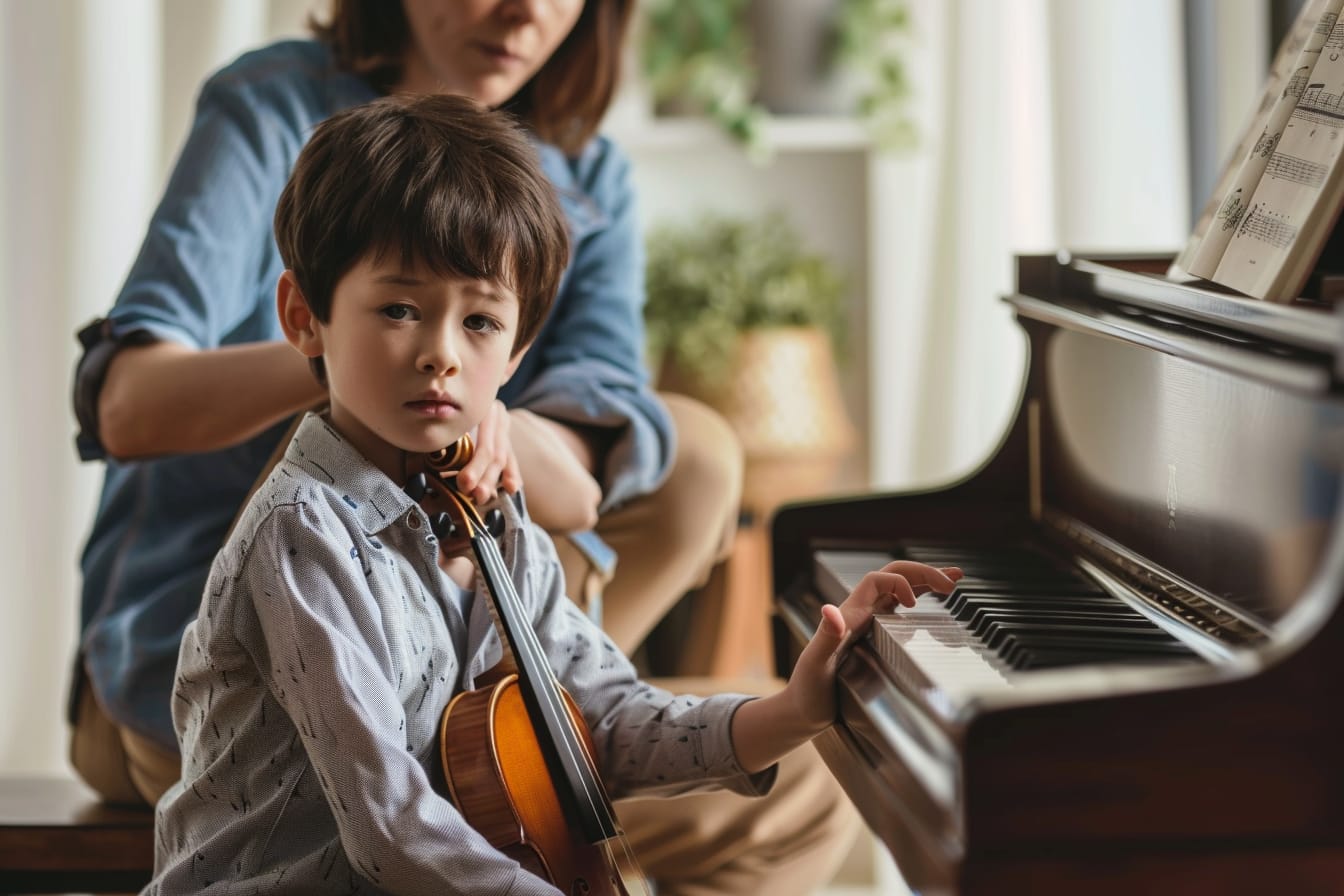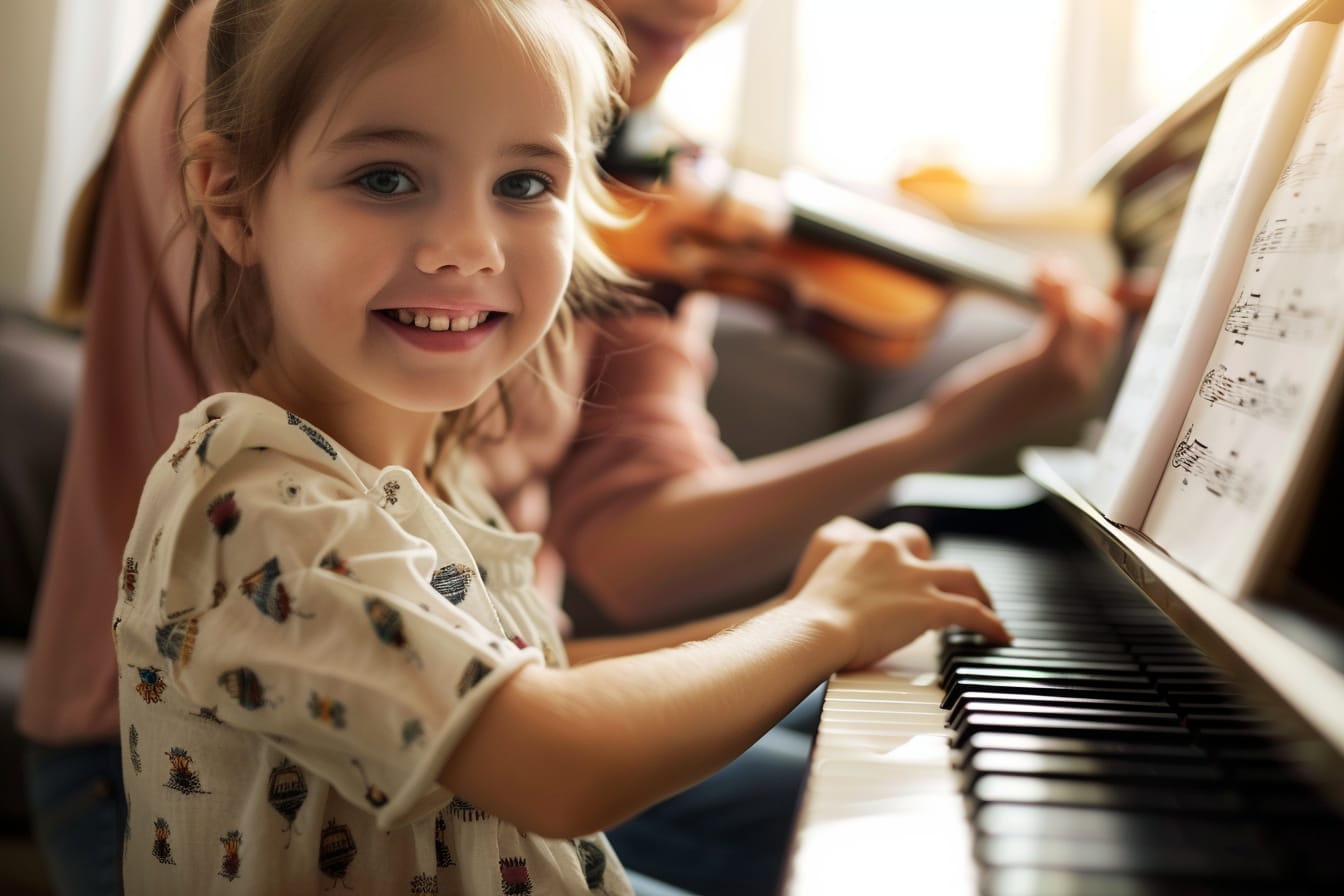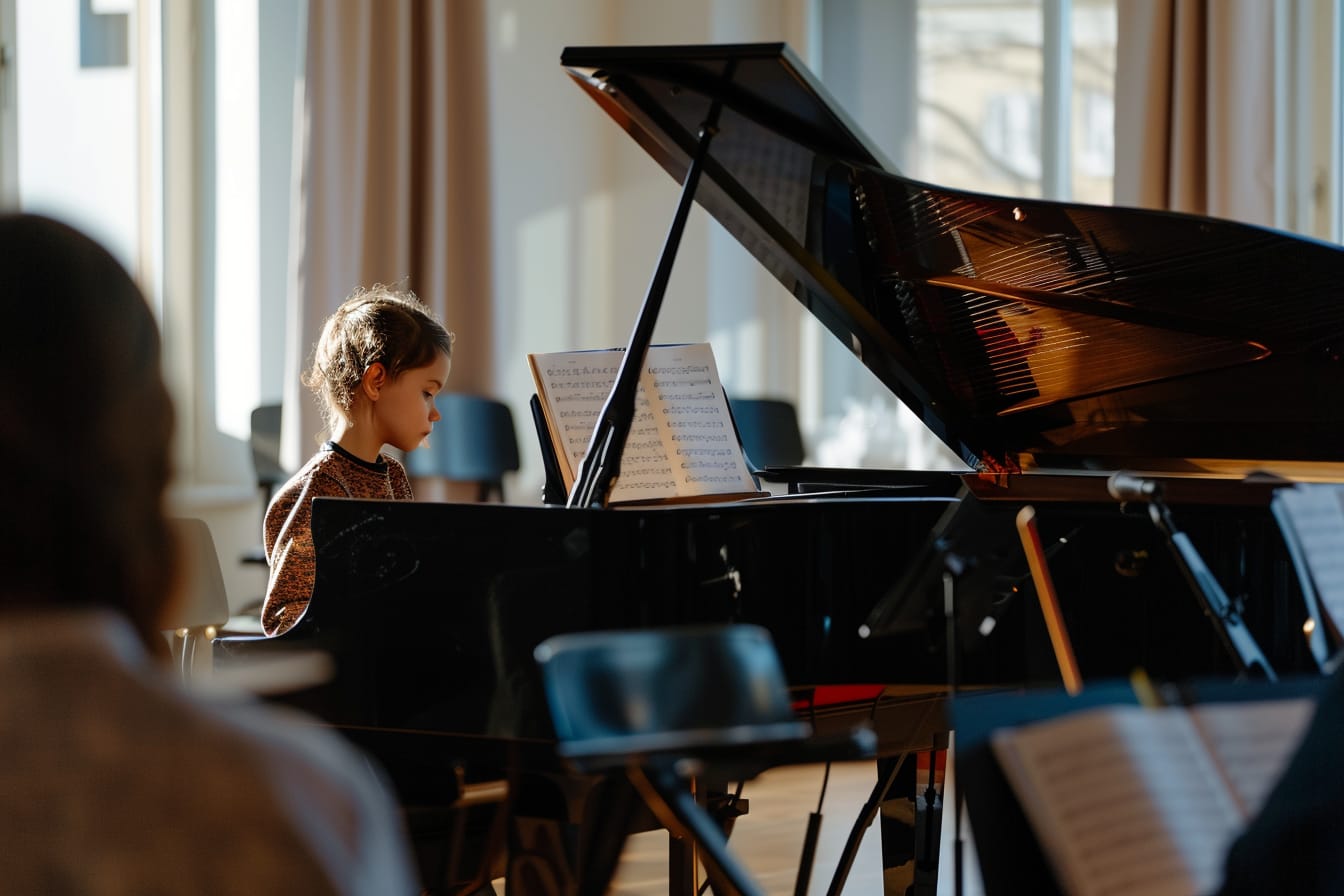
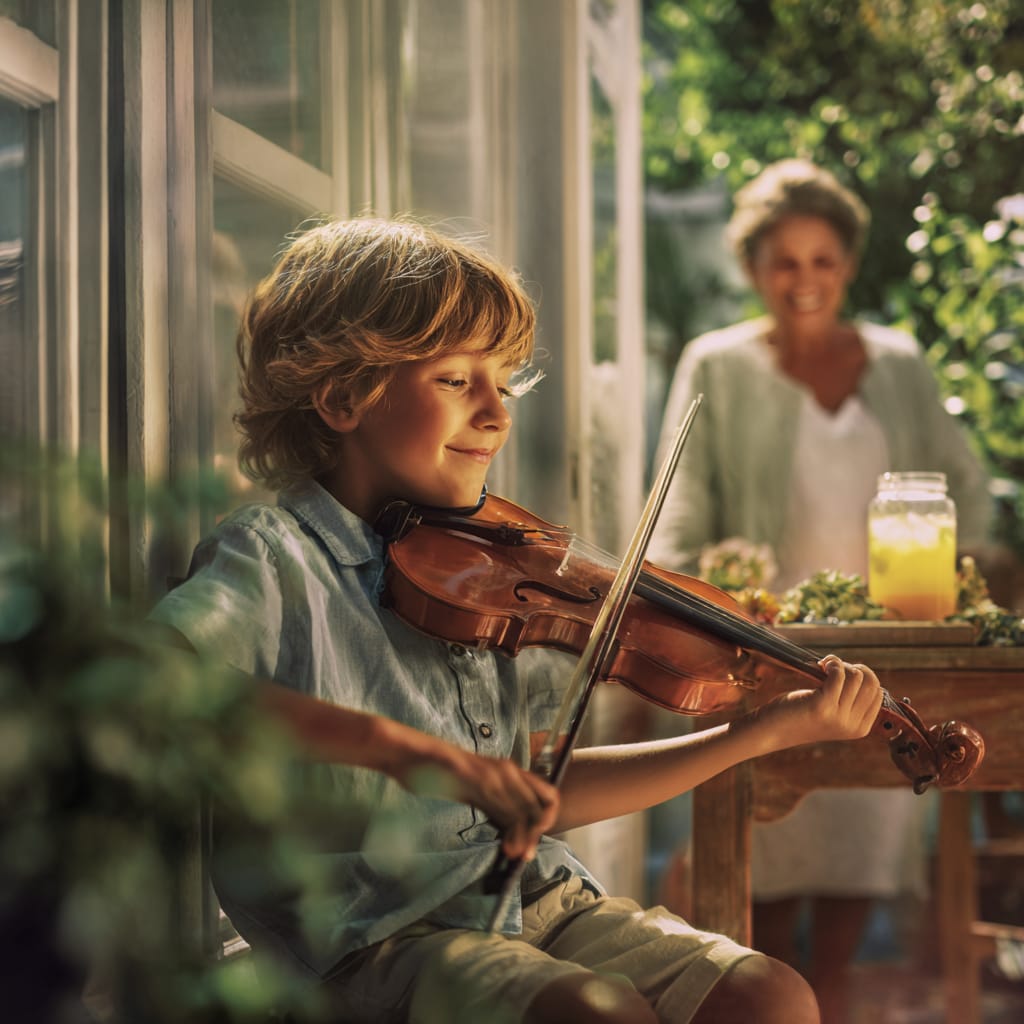
Imagine a violin case on the kitchen table. A sleepy child in pajamas rubbing their eyes. A piano stool creaking in the afternoon sun. A trumpet warming up just before bed. These are the moments when music practice happens—or doesn’t. And every family eventually asks the same question: when is the best time of day to practice music?
The answer, as with most things in life and art, is not one-size-fits-all. But there are patterns. And knowing how the brain and body respond to different times of day can help you or your child turn practice from a struggle into a rhythm.
Morning: The Mind Is Fresh, But the Fingers May Not Be
Mornings offer a clean slate. The distractions of the day haven’t piled up yet. The brain, especially in children, is more alert after rest. Studies in cognitive science show that attention, memory formation, and learning efficiency peak in the early hours—especially for young learners.
So, if your child can squeeze in even a short morning practice session—before school, breakfast, or while the house is still quiet—it can become a powerful part of the day. Even 10 minutes can reinforce technique or warm up the fingers for bigger musical work later.
But beware: fine motor control tends to wake up slower than the brain. Cold hands, stiff posture, or lack of coordination might make tricky passages feel more frustrating in the morning than they would after some movement.
Afternoon: Energy Rises, but So Do Distractions
After school hours, most children are more physically awake. Their bodies are moving, their speech is flowing, and their fingers are nimble. If they’ve had some playtime or a snack, this can be an ideal practice window—especially for technical work like scales, fast passages, or rhythmic exercises.
However, afternoons are also social and mentally cluttered. There may be homework, sports, or siblings running through the house. This time of day demands more structure. Without it, practice can get lost in the blur of after-school fatigue.
That said, for children who are naturally more energetic or physically expressive, post-lunch practice might be the best way to channel that energy into music, especially with upbeat pieces or expressive playing.
Evening: Emotion Grows, Focus Fades
There’s a reason many performers prefer evening concerts. Emotion rises with the setting sun. Reflection deepens. Many musicians say they feel more connected to their instrument in the evenings, even if their technical precision isn’t at its peak.
Evening practice is ideal for:
- Repertoire review
- Musical expression
- Playing for pleasure
- Unstructured improvisation
- Reflective journaling or recording
But beware of fatigue. Practicing too close to bedtime, especially with stimulating or frustrating material, can lead to tension or poor quality repetition. On the flip side, playing calming music at night—especially piano, strings, or singing—can become part of a healthy bedtime routine.
What Matters Most: Consistency Over Clock Time
All the science in the world doesn’t matter if practice doesn’t happen at all.
What your child (or you) needs most is a reliable practice window. A moment in the day that’s yours. That’s expected, repeatable, and not up for debate. This makes music part of life—not just homework.
It’s better to practice every day for 15 minutes at a “pretty good” time than to wait all week for that perfect golden hour that never arrives.
And Don’t Forget: The Body Keeps the Score
For some children, practicing early in the day is better for avoiding physical strain. Others need warm-up time before their bodies cooperate. Listen to the signals. Watch for slouching, yawning, or clumsy fingers—and be flexible.
And most importantly: let the child help choose. Let them observe what time feels best, what time sounds best, and when they feel most proud of their music.
This ownership over schedule can be just as important as the music itself.
Final Thought: Let Music Fit the Shape of Your Life
There is no single “right time” to practice music. There is only the time that becomes yours.
Morning, afternoon, evening—each offers something different. What matters is not the hour, but the habit. The space you carve. The intention behind it. Because music, like all great things, grows best in routines filled with care.