A Guide for Parents
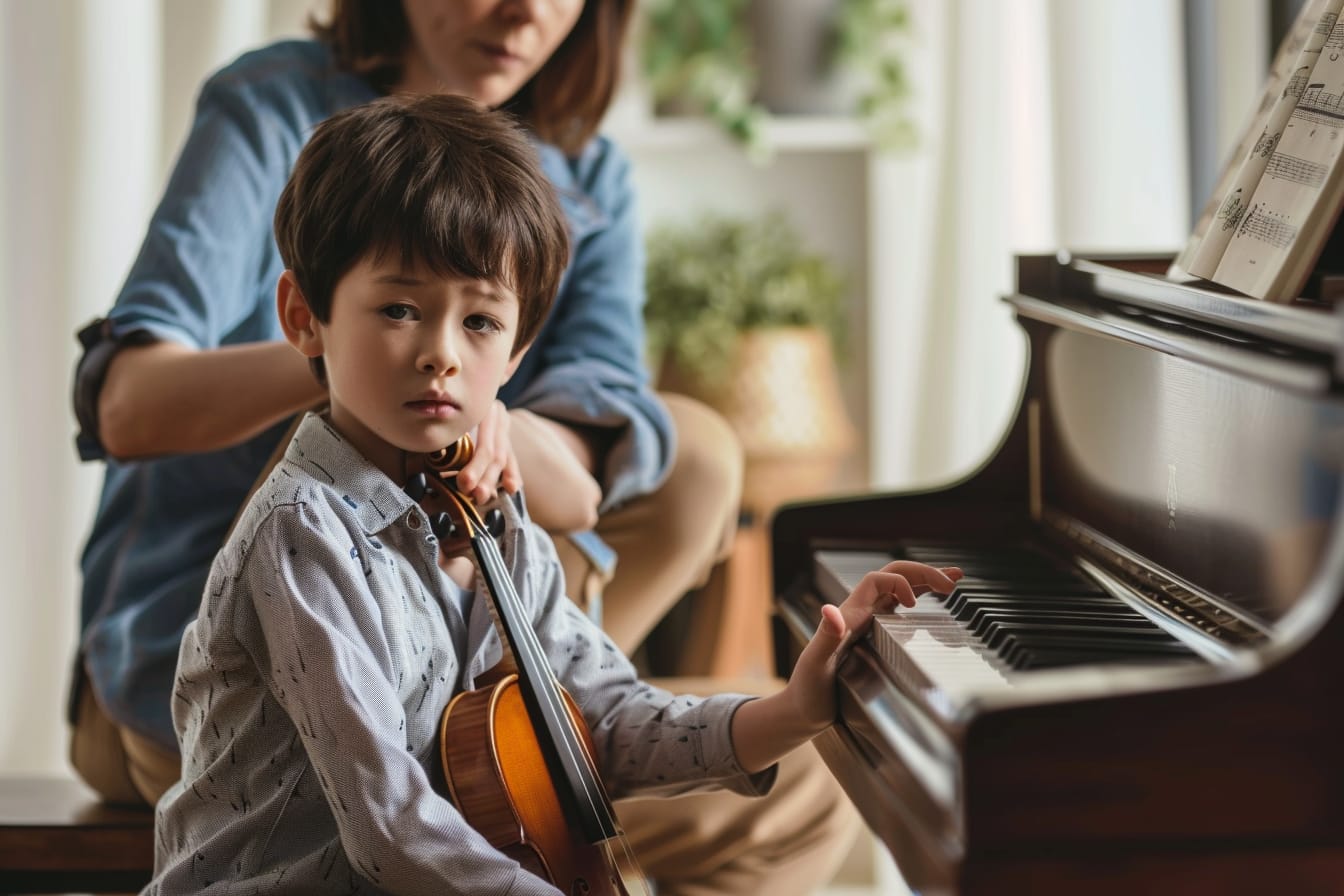
You've just finished dinner. The house is settling down. The violin case is still in the hallway. You ask, kindly at first, “Did you practice today?”Your child groans. You remind them again. And again.Eventually, the tension rises—and the music begins to feel like a chore for everyone in the house.
Sound familiar?
You’re not a bad parent. And your child isn’t lazy.But the truth is: most children don’t naturally want to practice, even if they love music. What they need isn’t more pressure. They need support. Structure. Encouragement. And most of all—ownership.
Let’s look at how you can foster healthy practice habits without becoming the dreaded “practice police.”
Shift the Goal: From “Practice or Else” to “Practice With Purpose”
Children are more likely to practice when they understand why it matters.Instead of focusing on perfection or obedience, help your child see that practice:
- Makes playing more fun.
- Helps them sound better faster.
- Means fewer struggles during lessons.
- Lets them play songs they actually like.
When the goal is growth—not punishment or guilt—motivation becomes internal.
Build a Routine, Not a Reminder List
A regular time for practice turns it into a habit, not a debate.Whether it’s right after breakfast, before dinner, or after homework, consistency removes decision fatigue.
Pro tip: Set a timer for short sessions (10–20 minutes, depending on age). The start is usually harder than the practice itself. Knowing it won’t go on forever helps.
Set Up a “Practice-Friendly” Space
Make sure your child’s practice spot feels inviting—not isolating.
- Keep instruments easily accessible (not locked in a case under the bed).
- Use a music stand at proper height.
- Eliminate distractions—TV, phones, clutter.
- Keep a pencil, notebook, and metronome nearby.
When the setup is easy and welcoming, practice feels less like a chore.
Listen—Don’t Critique
One of the best things you can do is sit nearby (even for 5 minutes) and just listen. Not judge. Not correct.
Say things like:
- “That sounded smoother than yesterday.”
- “I noticed you didn’t give up when it got hard—nice work.”
- “That piece always makes me feel calm. Does it do that for you?”
Encouragement builds momentum far better than nitpicking. The teacher is there to correct. You’re there to cheerlead.
Encourage Reflection
Ask open-ended questions after practice:
- “What was the easiest part today?”
- “What’s one thing you want to work on tomorrow?”
- “What’s a song you hope to play by next month?”
These questions help children think like musicians—and feel like they’re in charge of their growth.
Teach Solo Practice Skills (for Kids & Tweens)
It’s not enough to say, “Go practice.”Most kids need to be taught how to use their practice time well. Here’s a mini guide:
1. Break it Down
Don’t just play the whole piece from start to finish.Pick one small section, and repeat it slowly.
2. Have a Goal
Instead of “practice this song,” try:
- “Make bars 8–12 smoother.”
- “Play the scale with no buzzing.”
- “Get the rhythm right with the metronome.”
3. Listen to Yourself
Use a phone to record a short section. Then listen back.
- Did you keep a steady beat?
- Is your sound clean or squeaky?
- What improved since yesterday?
This builds self-awareness without needing a teacher in the room.
4. End on a Win
Always finish with a piece they enjoy or a moment that feels easy.That creates a positive association and makes them more likely to return tomorrow.
What to Say Instead of “Go Practice!”
If your reminders are causing resistance, try reframing your language.
Instead of:
“You HAVE to practice.”Say: “Want me to help you get started with just 5 minutes?”
Instead of:
“You’re falling behind.”Say: “I noticed you’ve made progress—what do you want to try next?”
Instead of:
“Your teacher won’t be happy.”Say: “Let’s surprise your teacher with how much better this part sounds!”
In Closing: Water the Habit, Not Just the Results
The best thing you can do as a parent is create an environment where practice feels possible, positive, and personal.
You’re not there to be the enforcer. You’re the witness to their growth.Even if they drag their feet. Even if some days are harder than others.What matters is that they keep showing up. Bit by bit. Note by note.
And with your help, they’ll do more than practice music.They’ll learn how to build something—with their own hands, heart, and effort.