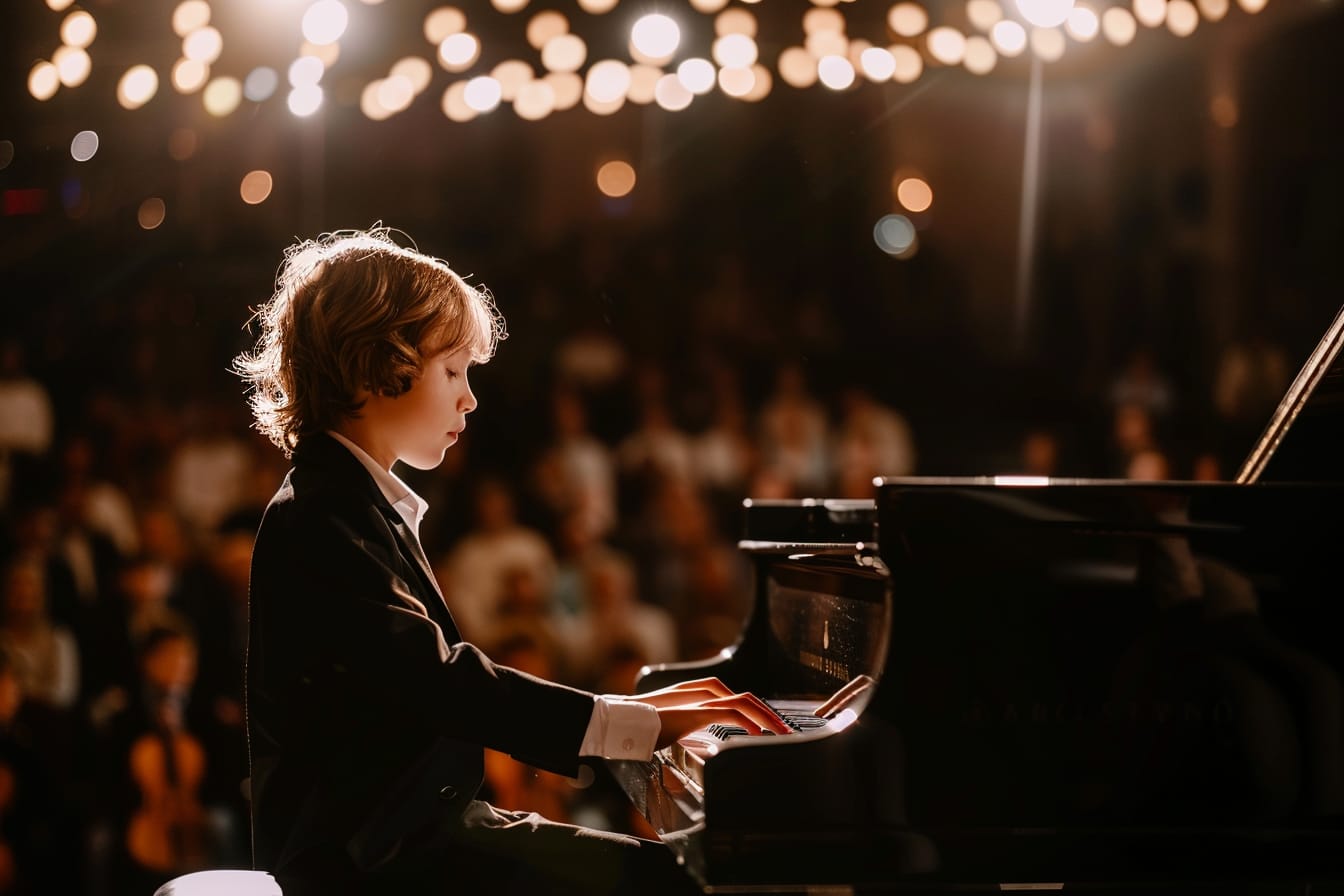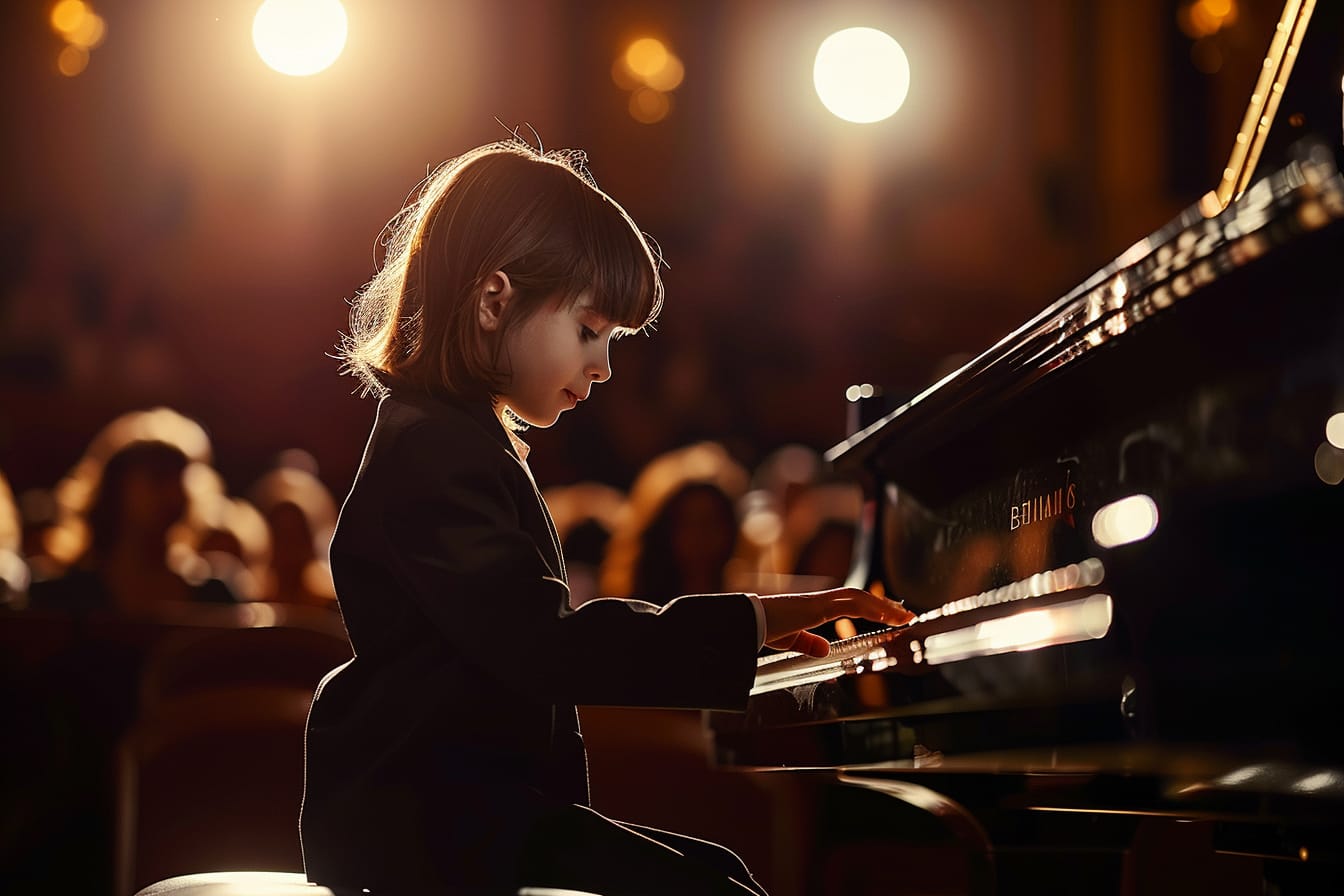
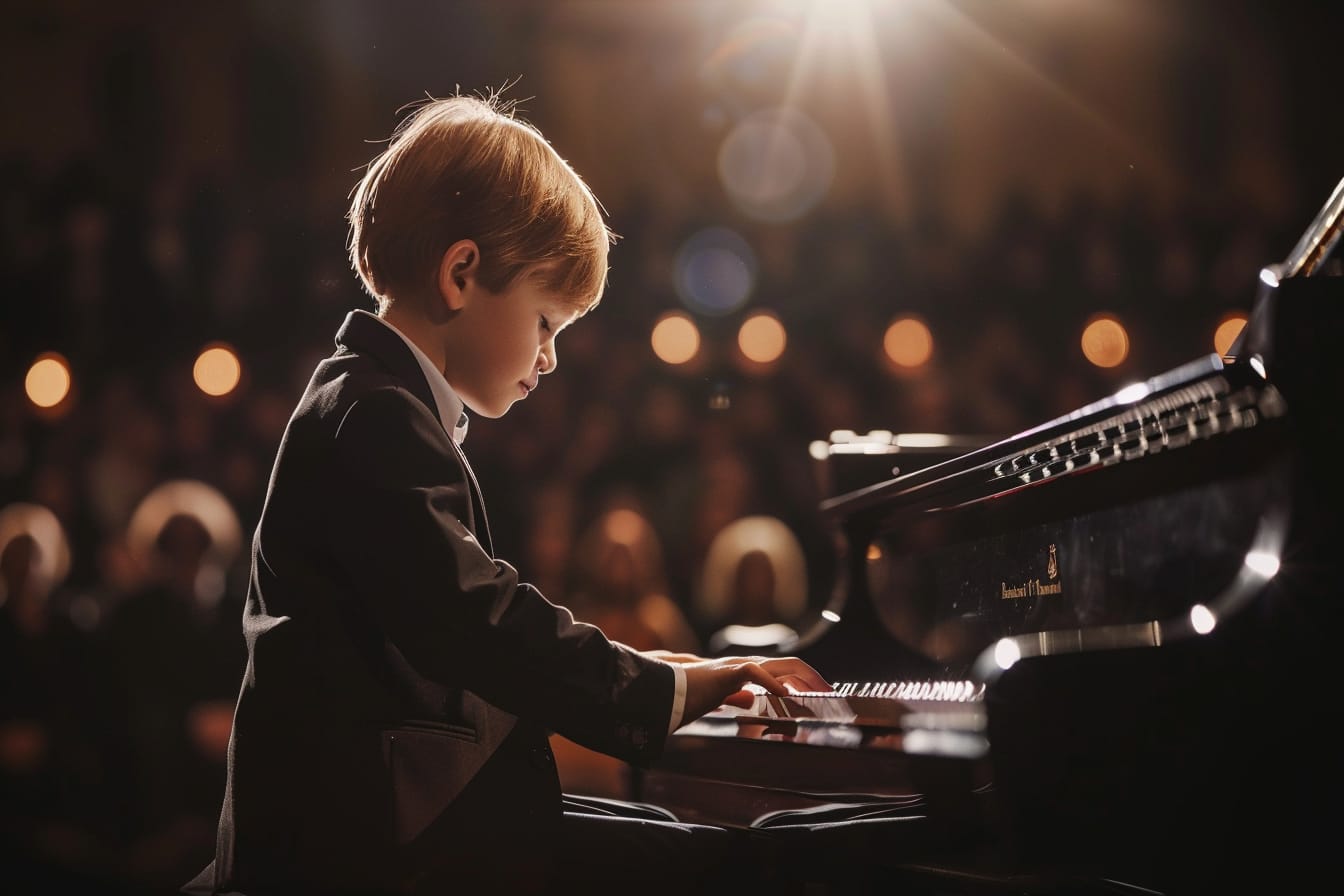
A sour note. A shaky start. A skipped bar. It’s every student’s fear—and every parent’s heartbreak—to watch a child struggle during a performance.
But what if we told you that these moments are not only normal… they’re necessary?
Perfection Is Not the Goal—Connection Is
When a student plays for others, the point is not flawlessness. It’s communication. It’s emotion. It’s courage. And those things still shine—even when the wrong note slips out.
Some of the most powerful performances are not the most polished, but the most honest. Where the musician recovers, smiles, and keeps playing. Where they don’t freeze. Where they finish strong. That’s where real growth happens.
Mistakes Make the Musician
Every great performer has been there. Beethoven once improvised so wildly at the piano that he forgot what piece he was playing. Young violinists forget where their fingers go. Pianists skip sections. Brass players get stuck notes.
But learning to play through a mistake—to breathe, refocus, and move on—is one of the most valuable skills music teaches.
That skill? It stays with students forever. It becomes resilience. It becomes adaptability. It becomes grace under pressure.
What Matters Most
When a child makes a mistake on stage and finishes anyway, something amazing happens. The world doesn’t end. The audience still claps. Their teacher still smiles. And they realize… I did it.
That moment—when they choose courage over perfection—is the moment they become a musician.