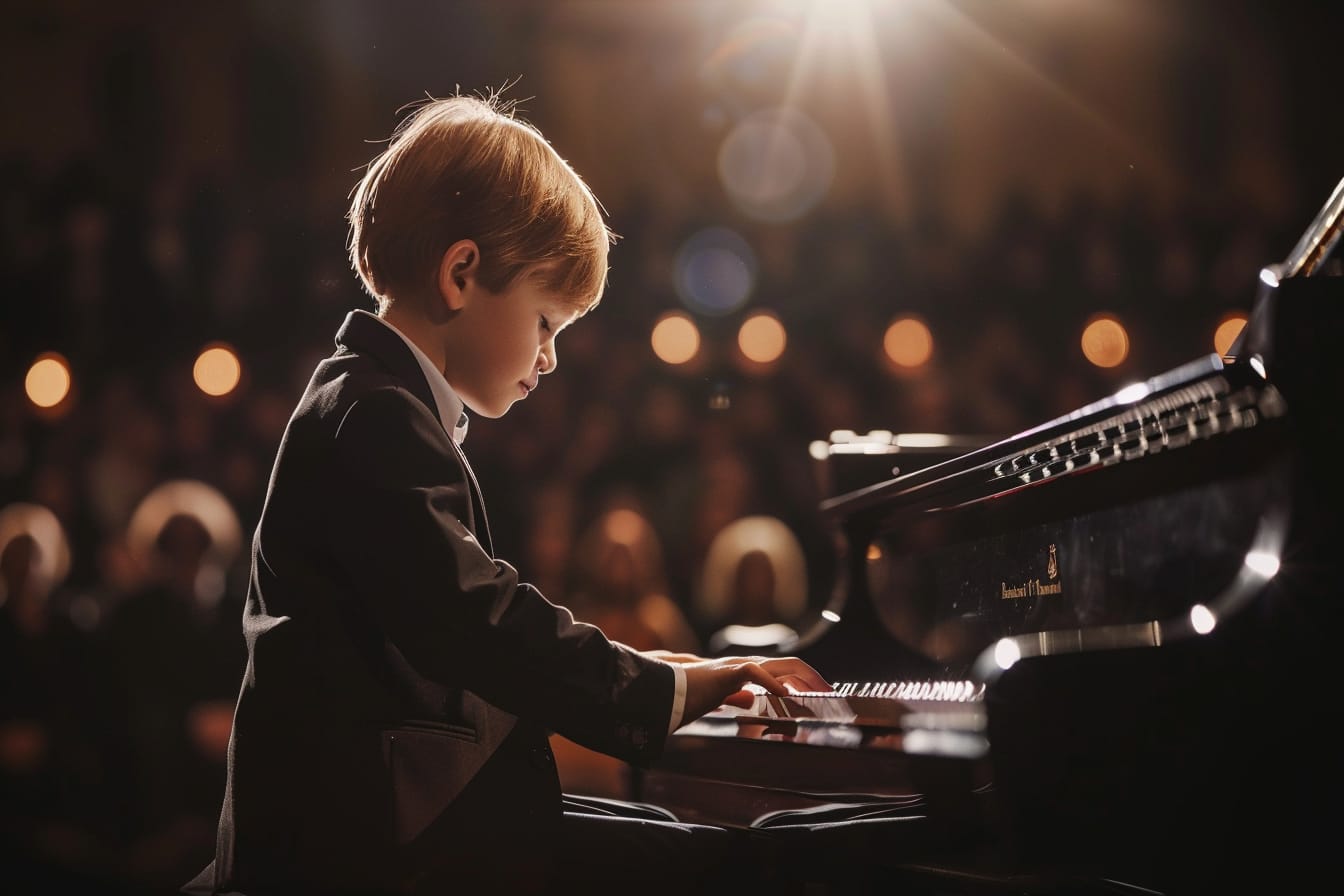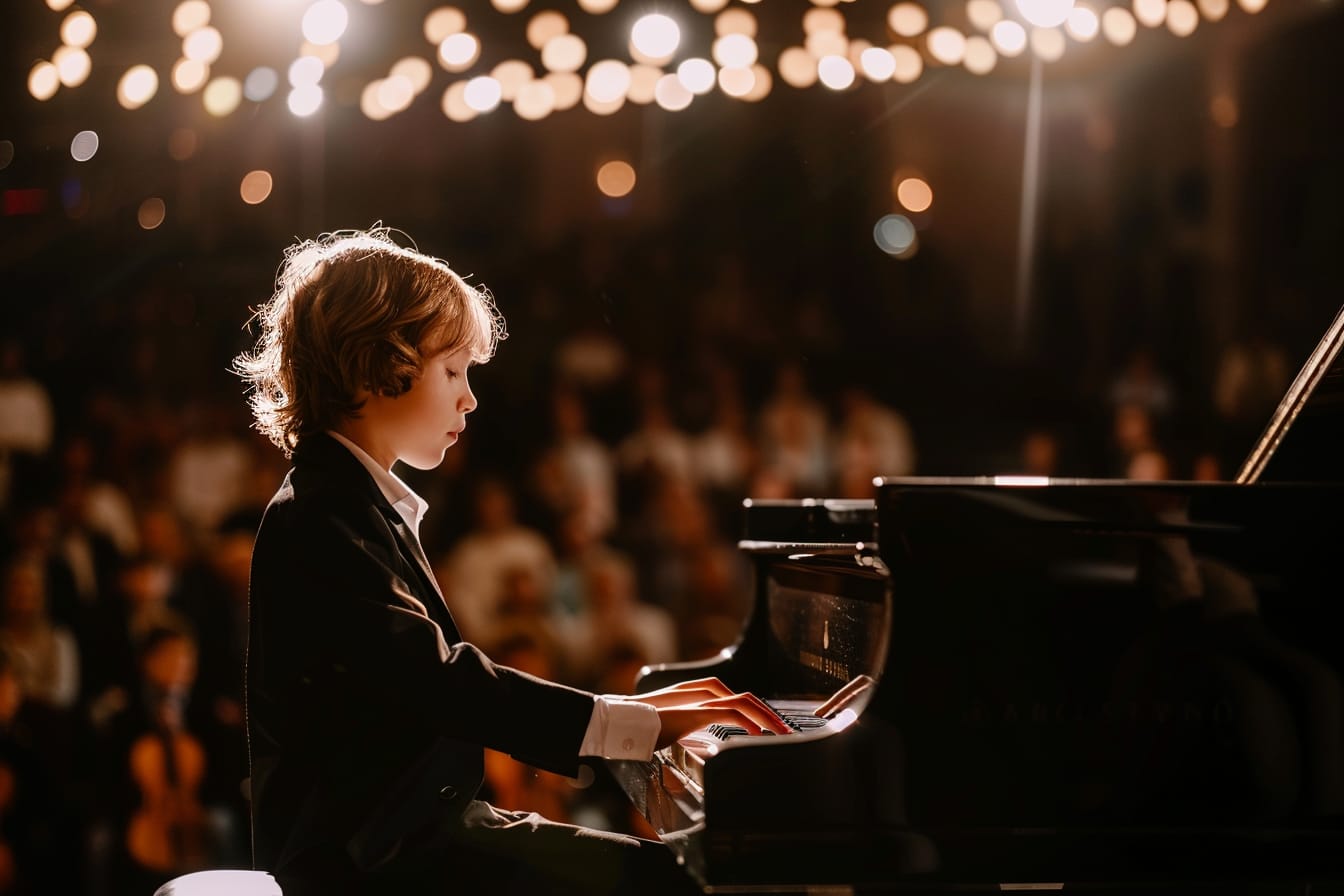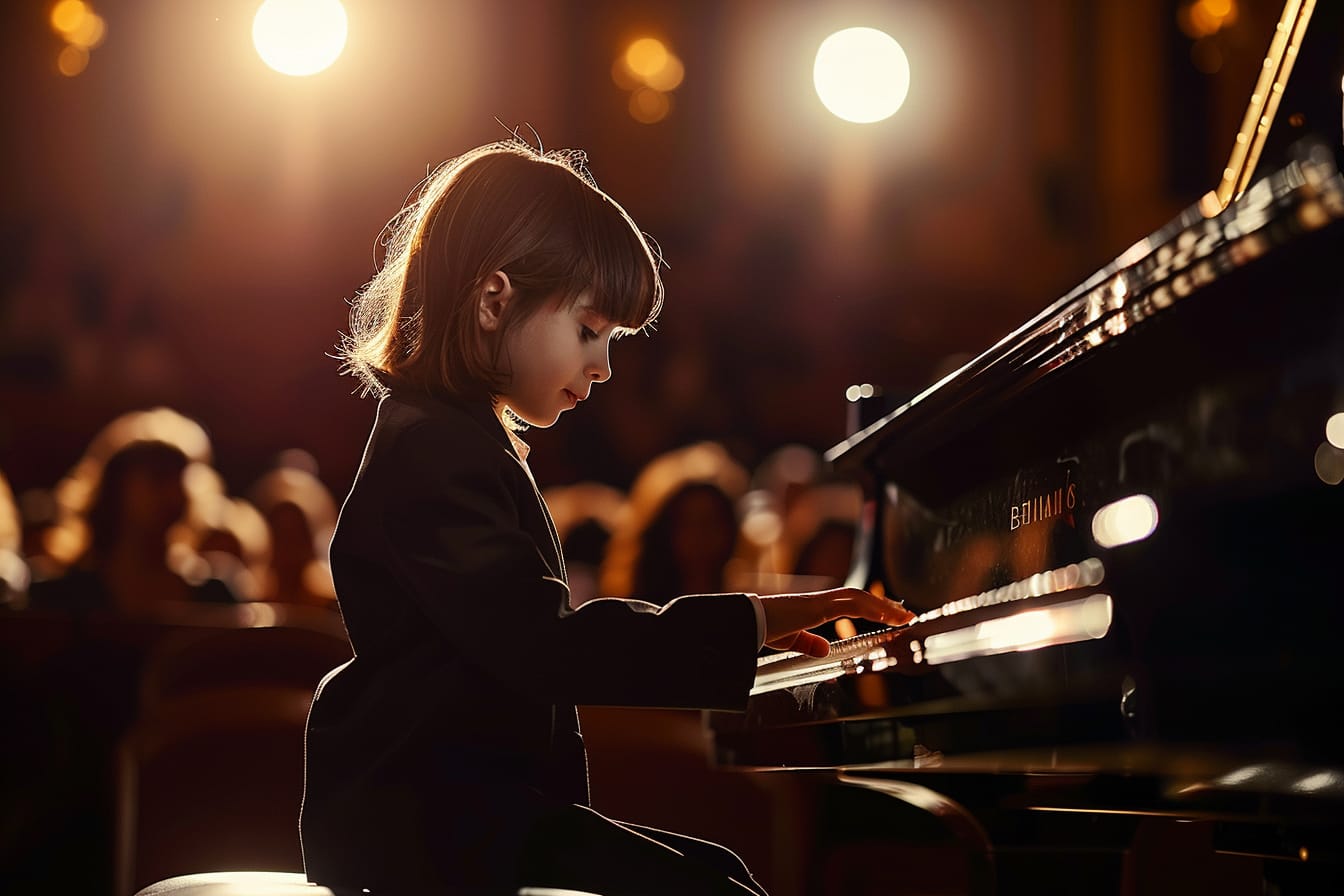
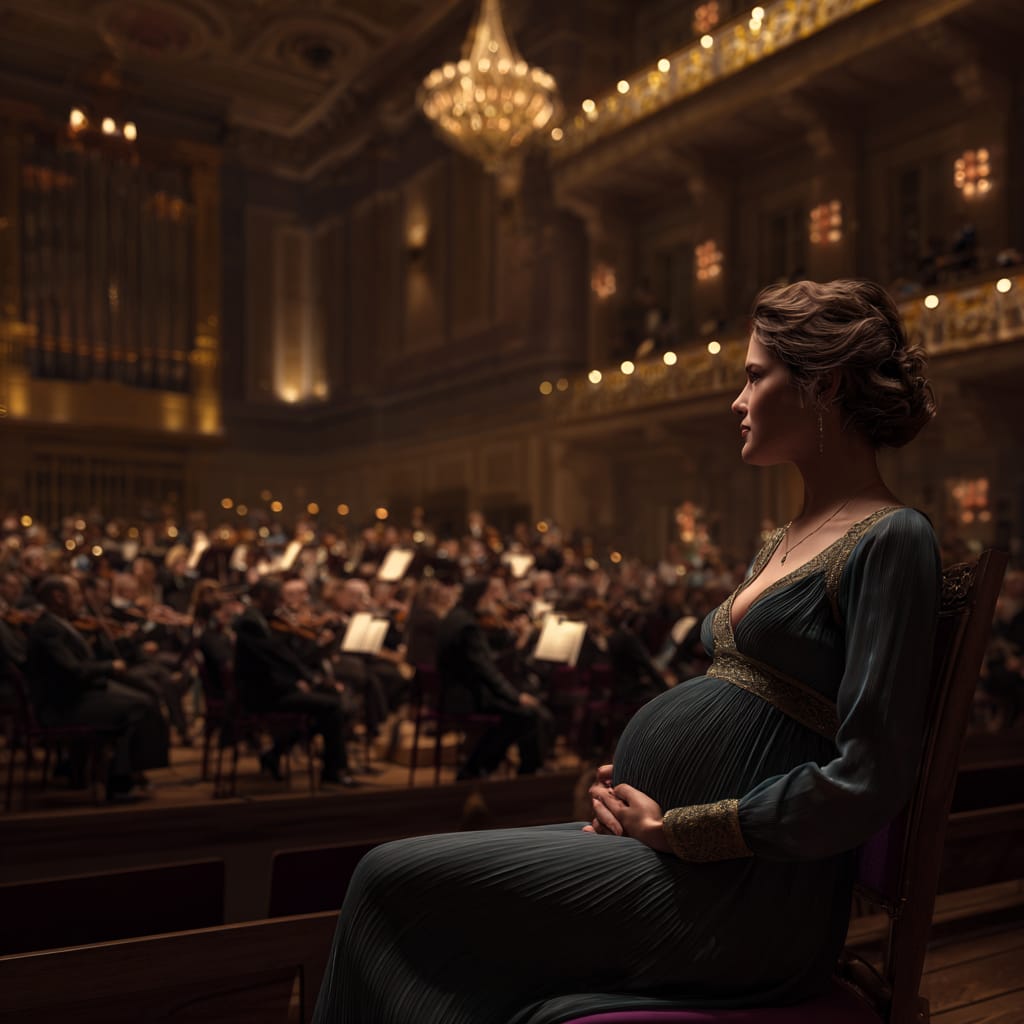
The first time you walk into a classical concert hall, the hush is almost unsettling. The velvet seats. The polite shuffling of programs. The instruments warming up like birds before a storm. And then—sound. Soaring, delicate, thunderous, aching. You may not know what you’re listening to. You may not recognize the composer or the name of the piece. But something lands inside you. Something stirs.
Still, one concert doesn’t make you a listener. It makes you curious.
Appreciating classical music is not about understanding every movement or memorizing every composer. It’s about showing up—again and again—and letting the music do its work over time.
So how often should you attend classical concerts to really begin to appreciate the art?
Once is a spark. Twice is a step. But habit is where love begins.
Like reading poetry or learning a language, classical music requires immersion. You wouldn’t expect to understand Shakespeare from a single play. And yet many people attend one symphony, feel confused or underwhelmed, and decide it’s “not for them.” That’s like tasting one grape and deciding you don’t like fruit.
If you're introducing your child—or yourself—to the world of classical music, aim for one concert a month. That’s often enough to stay connected, but not overwhelming. For those with budding enthusiasm, twice a month or more can deepen the experience quickly.
But here’s the catch: appreciation doesn’t only grow through repetition—it grows through contrast.
Vary the Experience
Not every concert needs to be a 2-hour symphony by Brahms. In fact, it shouldn’t be. Children (and many adults) thrive on variety.
- Chamber music helps you hear intimacy.
- Youth orchestra concerts let you feel the learning.
- Contemporary programs challenge the ear.
- Outdoor summer performances remove all formality.
- Solo recitals show what one musician alone can do.
The more contexts in which you hear classical music, the more real it becomes. It stops being a genre and starts being a landscape. And each concert builds a different kind of muscle—emotional, intellectual, and auditory.
Appreciation Is Also Accumulative
Music you once found boring becomes profound. A movement you once ignored haunts you a week later. A composer you never understood suddenly feels like a friend.
This doesn’t come from analysis. It comes from being present.
Let’s be honest: not every concert will blow you away. Some will confuse you. Some will leave you cold. But others will make you cry. Or sit in stillness longer than usual. Or feel something new. Those are the ones that hook you—and you can’t know when they’ll come. So you keep coming back.
For Children, Frequency Means Familiarity
Children don’t need to understand classical music to love it. They need exposure. Normalization. Permission to respond emotionally. The more they attend concerts, the more natural it becomes to sit still, to listen deeply, to connect with sound without needing language.
If you’re raising a music learner, regular concerts are like vitamins for their developing ears and minds. And the sooner they associate classical music with experience—not obligation—the more likely they are to develop lifelong appreciation.
Don’t Just Go—Talk After
One of the best ways to build appreciation is not just to attend but to reflect together. Ask your child:
- What part did you like most?
- Did any piece remind you of something?
- What instrument sounded the most interesting?
- Did the music make you feel calm, excited, sad, powerful?
This transforms the concert from a passive experience to a shared one. And it teaches children—and adults—that you don’t need expertise to have valid feelings about music.
In Closing: Regular Listening, Lifelong Love
There’s no magic number of concerts that turns someone into a classical music lover. But regularity matters. Exposure matters. And what begins as a polite visit to a concert hall can evolve into a personal passion—one performance at a time.
So go. Go once. Go again. Go when you don’t feel ready. Go when you don’t know the piece. Go when it’s raining. Go when it’s sunny. Just go.
Because every concert is an invitation. And someday, without warning, your heart will answer.