Why Public Performance Matters in Music Education
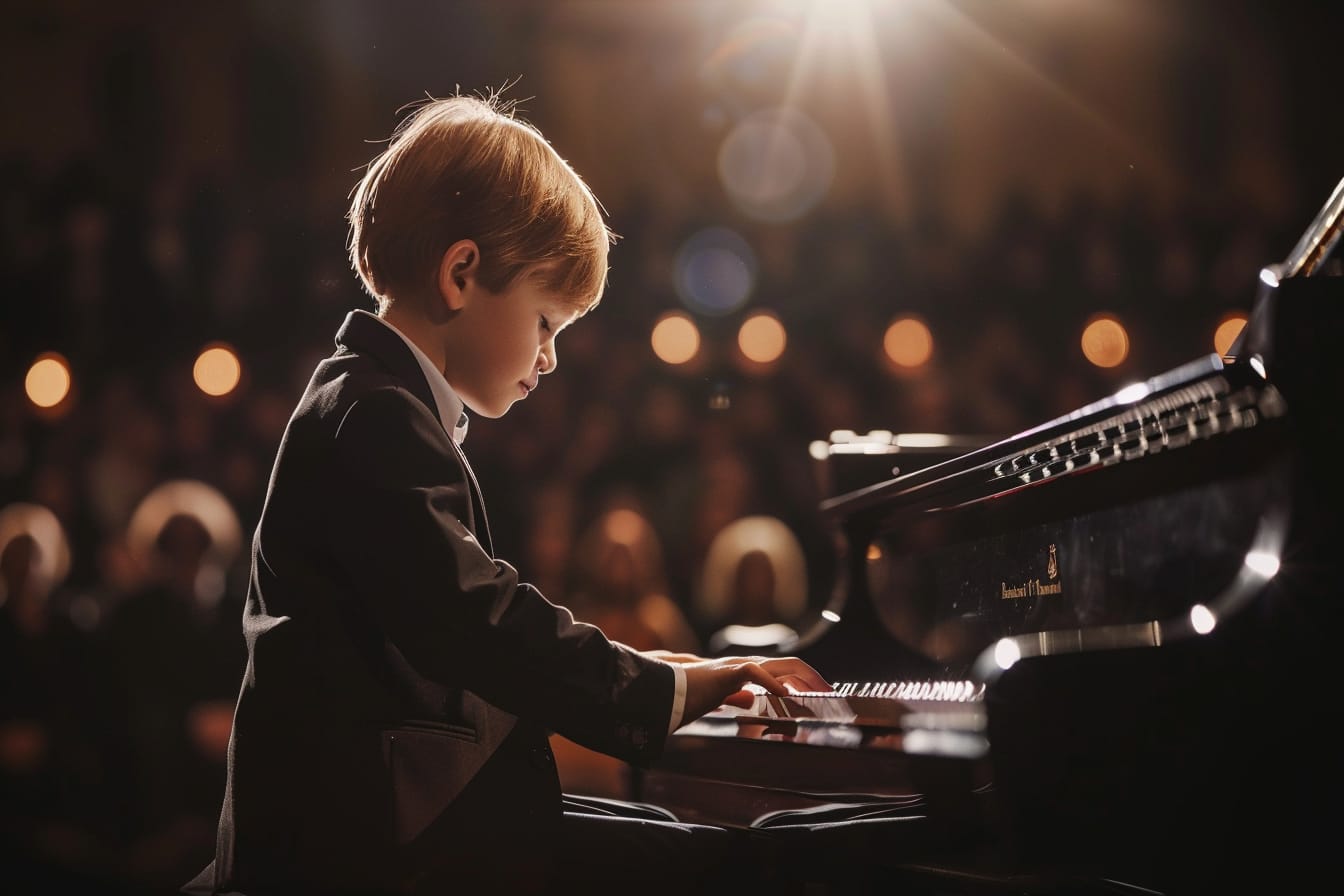
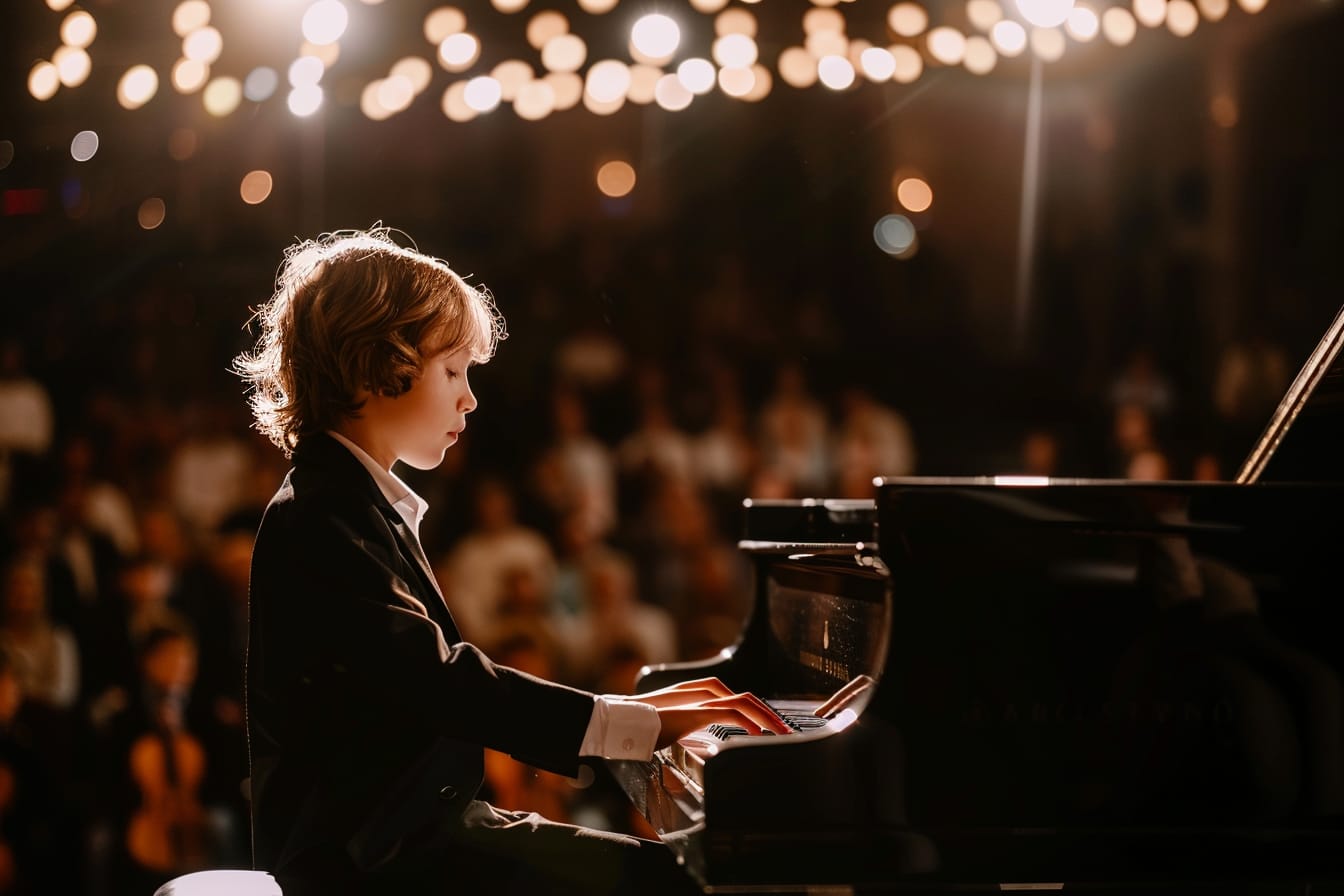
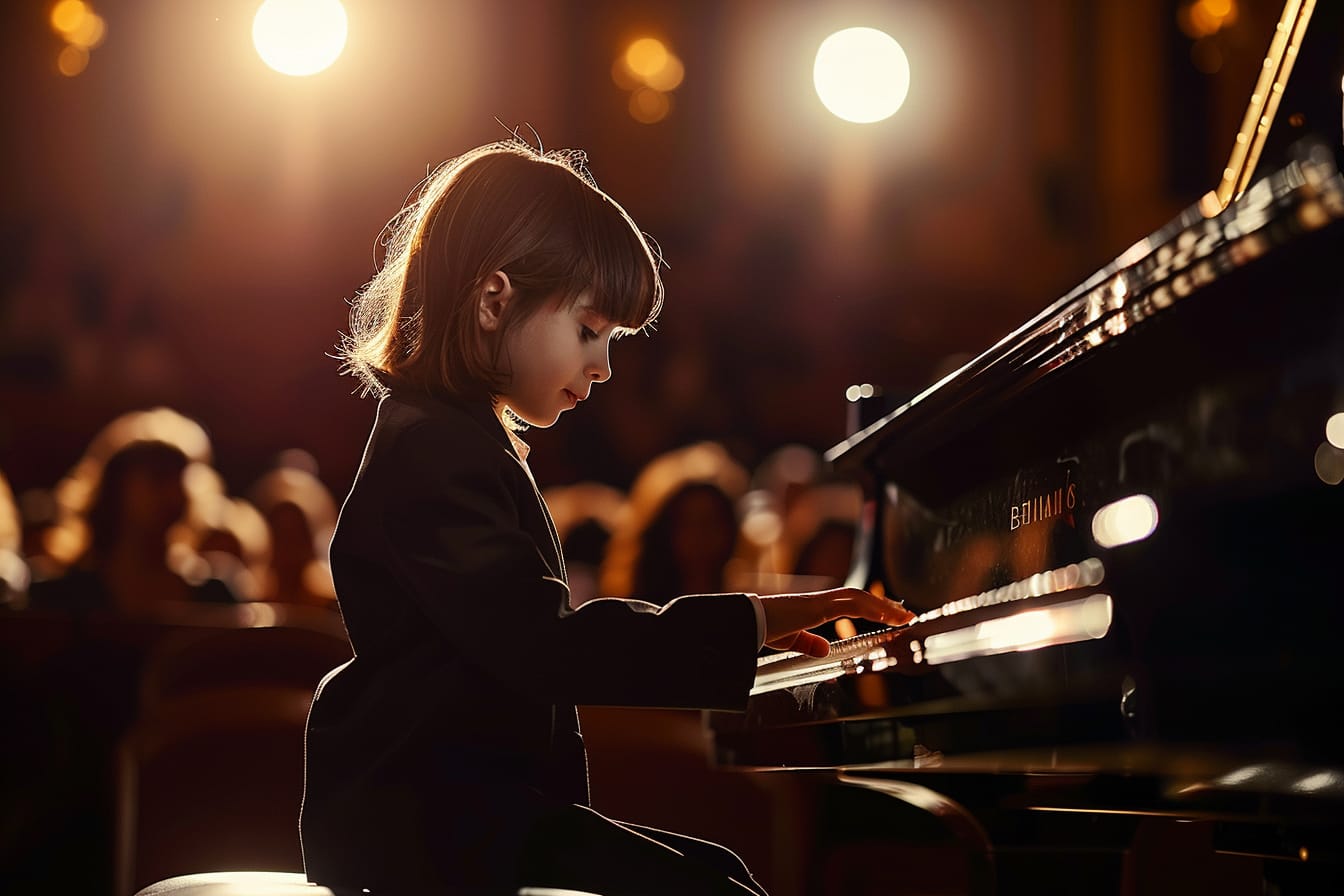
It starts with a flutter in the stomach. A glance at the audience. A deep breath. And then—sound. A sound that didn’t exist a moment ago. A sound created, shaped, and offered from one person to many. This is what happens when a music learner steps into the spotlight.
And this is why performance matters.
More Than a Recital: A Rite of Passage
Public performance isn’t just a showcase of what has been learned—it’s a transformational experience. It’s where theory meets emotion. Where hours of solitary practice meet the unpredictable energy of a real audience. For many students, performing for others is the moment music stops being a school subject and becomes something alive.
A child who plays a single note in front of others has already crossed an invisible line: the line between private effort and shared expression. And that moment—nervous, imperfect, powerful—can spark a lifelong love for music.
Confidence That Lasts Beyond the Stage
Playing in public builds more than musical skill. It builds presence. A student learns to manage their nerves, recover from mistakes, focus under pressure, and communicate nonverbally with grace and poise. These are not just artistic qualities—they are life skills.
A music student who has performed in front of others knows what it means to be heard. They learn to trust their voice, even when it shakes. They carry that confidence into interviews, classrooms, boardrooms, and relationships.
Learning to Listen in a New Way
Performance teaches listening on a deeper level. When a student plays in a duet, ensemble, or orchestra, they must listen as much as they play. They learn the rhythm of collaboration. They begin to anticipate others. They shape their sound to fit something bigger.
In solo performance, the listener is the audience—and the student begins to shape not only tone, but feeling. What should this sound say? How should it land? The performer is no longer playing at someone, but for someone.
Facing the Fear—and Growing Through It
Stage fright is real. Even the most talented young musicians feel it. But avoiding performance because of fear is like avoiding swimming because the water is cold. The discomfort is part of the process—and learning to move through it is a lesson no textbook can teach.
A student who performs regularly becomes resilient. They learn to accept imperfection, adapt to unexpected distractions, and keep going when things don’t go to plan. These moments of growth don’t just improve their music. They shape their identity.
Real Feedback, Real Growth
In lessons and at home, feedback often comes from teachers and parents. But onstage, the feedback is different. It comes in the form of applause, silence, smiles, or even tears. It’s more emotional, more intuitive. It teaches students how their music lands in the hearts of others—and this motivates them to go deeper, play better, feel more.
Many students say their biggest musical breakthroughs came after a concert, a school assembly, a community performance—not after an exam.
Building Community, Not Just Skill
Performing connects students with each other. Recitals become shared milestones. Ensemble performances build trust and laughter. Children watch each other grow over time and feel part of something meaningful. Parents, teachers, and siblings become invested not just in outcomes, but in the journey.
This sense of musical community becomes a wellspring of encouragement—and an antidote to the isolation that sometimes comes with individual study.
In Closing: A Stage for Every Musician
Not every student will love the stage at first. Some may always feel nervous before walking into the spotlight. But almost all will look back and say: That mattered.
At our school, we believe public performance isn’t just for the naturally brave or the exceptionally talented. It’s for everyone who dares to try. From low-pressure family showcases to large concerts, we offer a spectrum of performance experiences because we know this: what happens onstage often transforms what happens everywhere else.
Because when a child steps up, breathes deep, and plays their heart out for others—they don’t just make music.
They become a musician.