It hums quietly in the background of many parents’ minds: “If my child is learning on an electric instrument, are they missing something?” It’s a fair question. And the answer isn’t about right or wrong—it’s about depth.
Because while electric instruments open doors, there’s something about learning the classical versions—wood, strings, keys, breath—that builds not just musicality, but musical character.
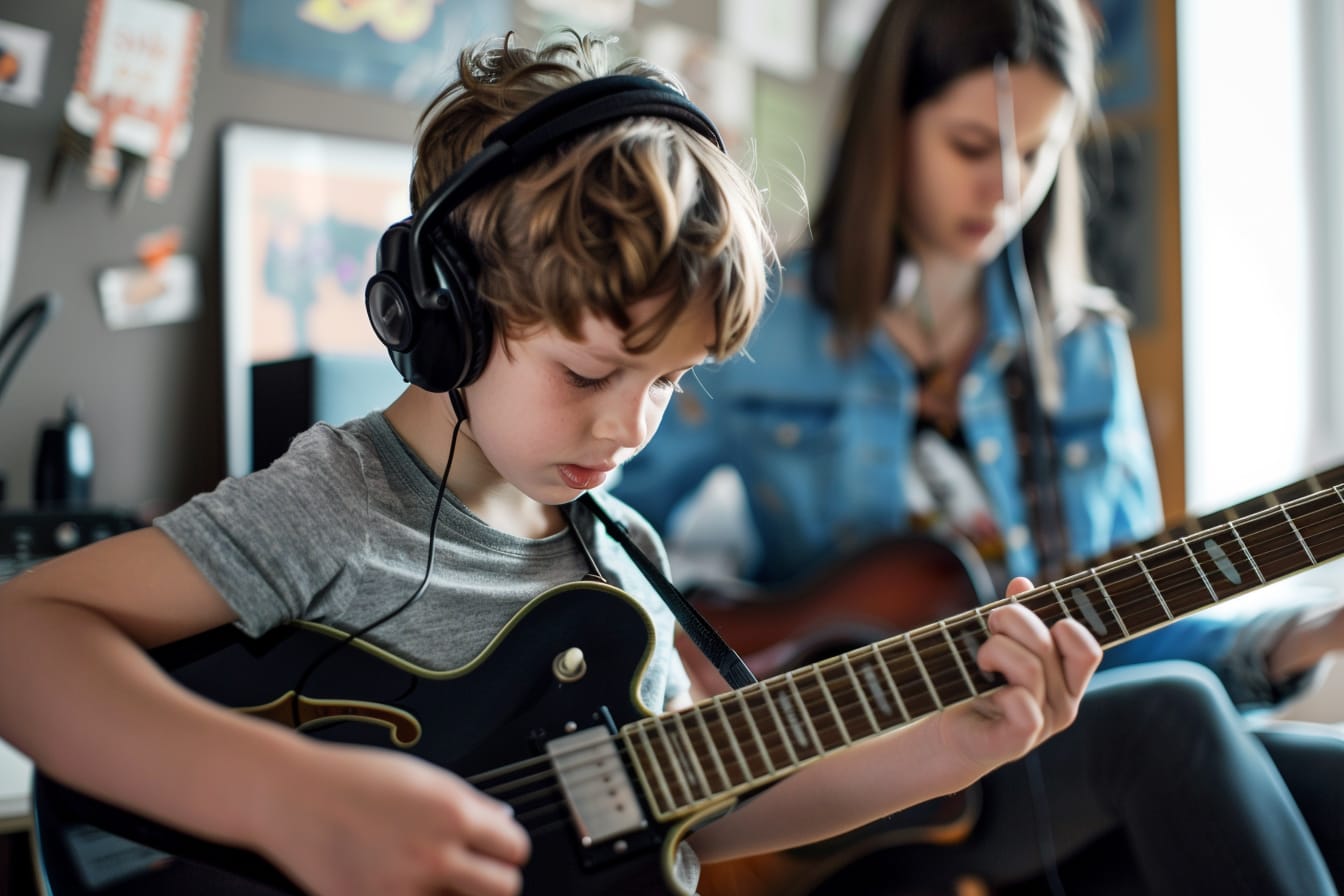
Let’s be honest. A child can learn on an electric violin. They can practice scales on a digital piano. They can strum on an electric guitar with ease. And they can become very good. But classical instruments offer something electric can’t replicate: an intimate conversation with sound, physics, and time.
Classical Builds the Foundation
Classical instruments teach nuance.
The acoustic violin, for instance, has no volume knob. If you want more sound, you learn how to draw the bow with more weight, more speed, more presence. The piano has no reverb settings—you learn how to touch the keys, how to pedal, how to breathe with the phrase.
There’s nowhere to hide. And that’s the gift.
It’s not just about technique. It’s about sensitivity. Classical players develop a heightened awareness of tone, resonance, balance, and articulation—because they must. These are the ingredients that make music expressive, no matter the genre.
Musicians who start classically often find they can adapt to other styles—rock, jazz, pop, blues—much faster than those who start the other way around. Classical doesn’t limit you. It prepares you.
Discipline That Doesn’t Feel Like Discipline
One of the less glamorous—but deeply valuable—parts of learning classical instruments is the habit it creates. Structure. Repetition. Patience.
It takes time to tune a cello. To position the left hand correctly on a flute. To practice a four-octave scale with perfect intonation. These small rituals of discipline shape not just the musician—but the person.
Electric instruments offer speed. But classical ones offer depth. And in childhood, depth builds roots that last a lifetime.
The Ear Becomes the Teacher
One of the most powerful advantages of classical instruments is how they train the ear.
Without presets or effects to shape the sound, children must listen closely to how their bodies affect the instrument. The pitch. The tone. The color of each note. This ear training becomes internalized. And it makes them stronger interpreters, improvisers, and collaborators—on any instrument.
An electric violinist might hear when a note is off. A classically trained violinist feels it before the bow finishes the stroke.
They Open Doors Across the World
Let’s not forget something practical. The world of music education, competitions, conservatories, and orchestras still centers around classical instruments. That doesn't make electric invalid—but it means that certain opportunities only open to those who’ve trained traditionally.
Scholarships. Youth ensembles. International camps. Even some university programs will expect proficiency on acoustic instruments.
For a child serious about long-term growth—or even unsure of what path they’ll take—starting with classical can leave more doors open than closed.
The Physical, Sensory Connection
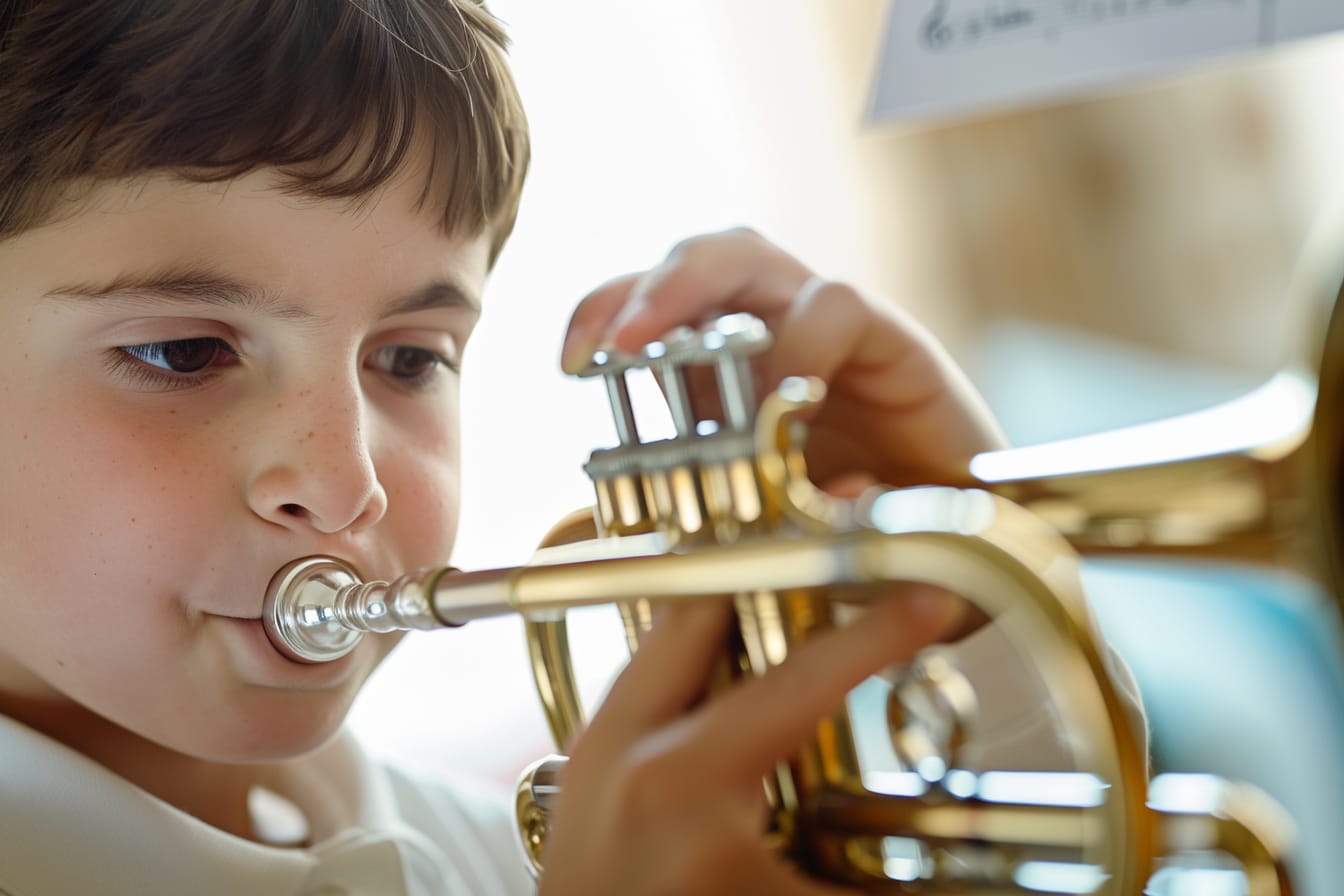
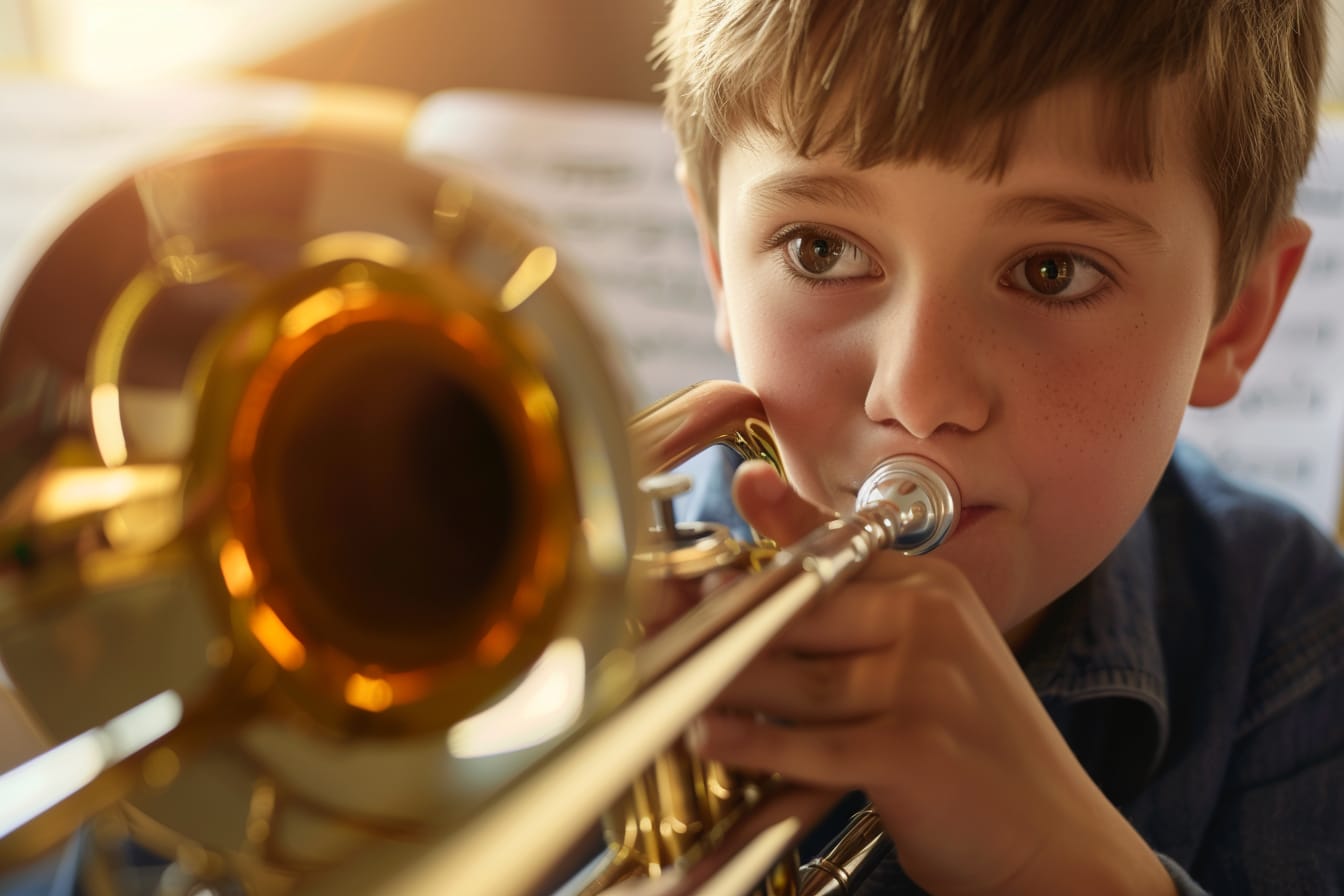
And finally, there’s something about the feel of a classical instrument in your hands. The vibration of a wooden cello against the chest. The way a real piano responds to your fingers. The tactile honesty of a trumpet’s resistance.
Classical instruments connect us to centuries of sound. They’ve been played through wars, weddings, revolutions, lullabies. They carry history. And when a child learns on one, they don’t just learn notes—they become part of a living tradition.
In the End, Let the Two Worlds Speak
Of course, electric instruments are wonderful. And starting there isn’t wrong—it’s often right, especially for children who respond more to modern sound.
But if you’re wondering whether the classical path is still worth it, the answer is: yes.
Classical music—and its instruments—teach patience, detail, presence, and depth. They don’t replace creativity. They feed it. They teach a child how to listen—not just to music, but to themselves.
And once they’ve built that foundation, they can plug in. Turn up the amp. Cross over into any style they like.
But their playing will carry something others won’t always have.
Something quiet. And strong.
And real.