How Culture Shapes the Music of Nations
If you listen closely, you can almost hear it: the sound of a place, hidden inside the music it creates. The slow rise of a mountain turned into the sweep of a violin. The rhythm of horse hooves on wide, open plains echoing through a drumbeat. The hush of snow-covered forests remembered in a minor key. Every country has its own music—and behind every national sound, there lives a story.
Long before music was written down, before it was taught in schools or recorded in studios, it was passed from hand to hand, from voice to voice. People sang what they saw. They sang what they loved. They sang what they feared. In doing so, they left a fingerprint on melody itself.
The music of a nation begins with its language, with its rhythm and flow. You can hear it in Italian opera, where the natural rise and fall of Italian speech gives the music its passion and phrasing. Or in the rolling melodies of Irish folk tunes, shaped by a language full of lilting syllables and ancient poetry. What we speak, we sing—and what we sing, we carry across generations.
But culture is more than language. It is dance, ritual, weather, landscape, food, and belief. Music becomes the way a culture explains itself to the world. In Spain, the fierce staccato of flamenco tells stories of longing and resistance, of joy pushed forward by clapping hands and heeled boots. In Japan, the delicate space between notes in traditional koto music speaks to an entirely different emotional world—one where silence is as meaningful as sound.
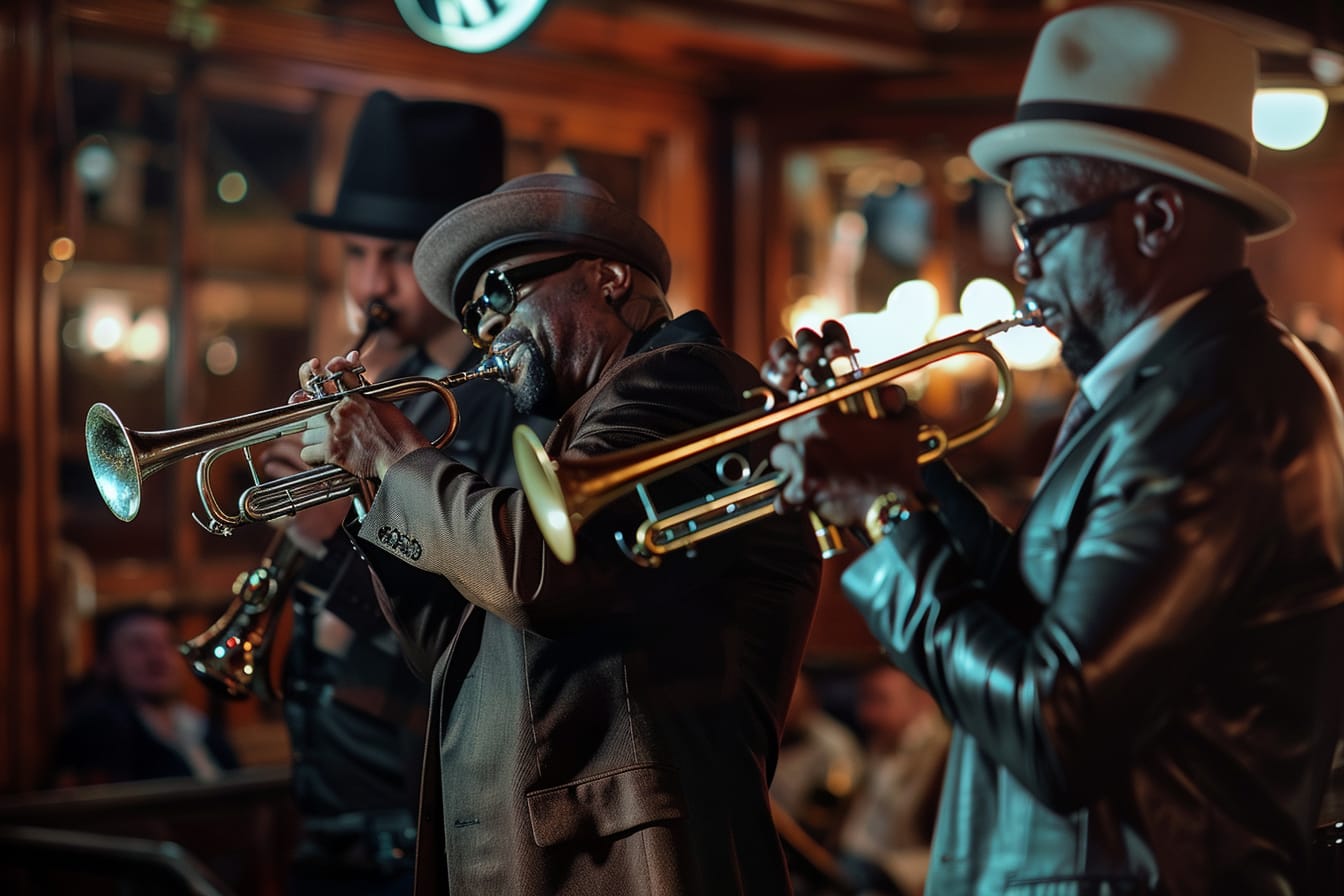
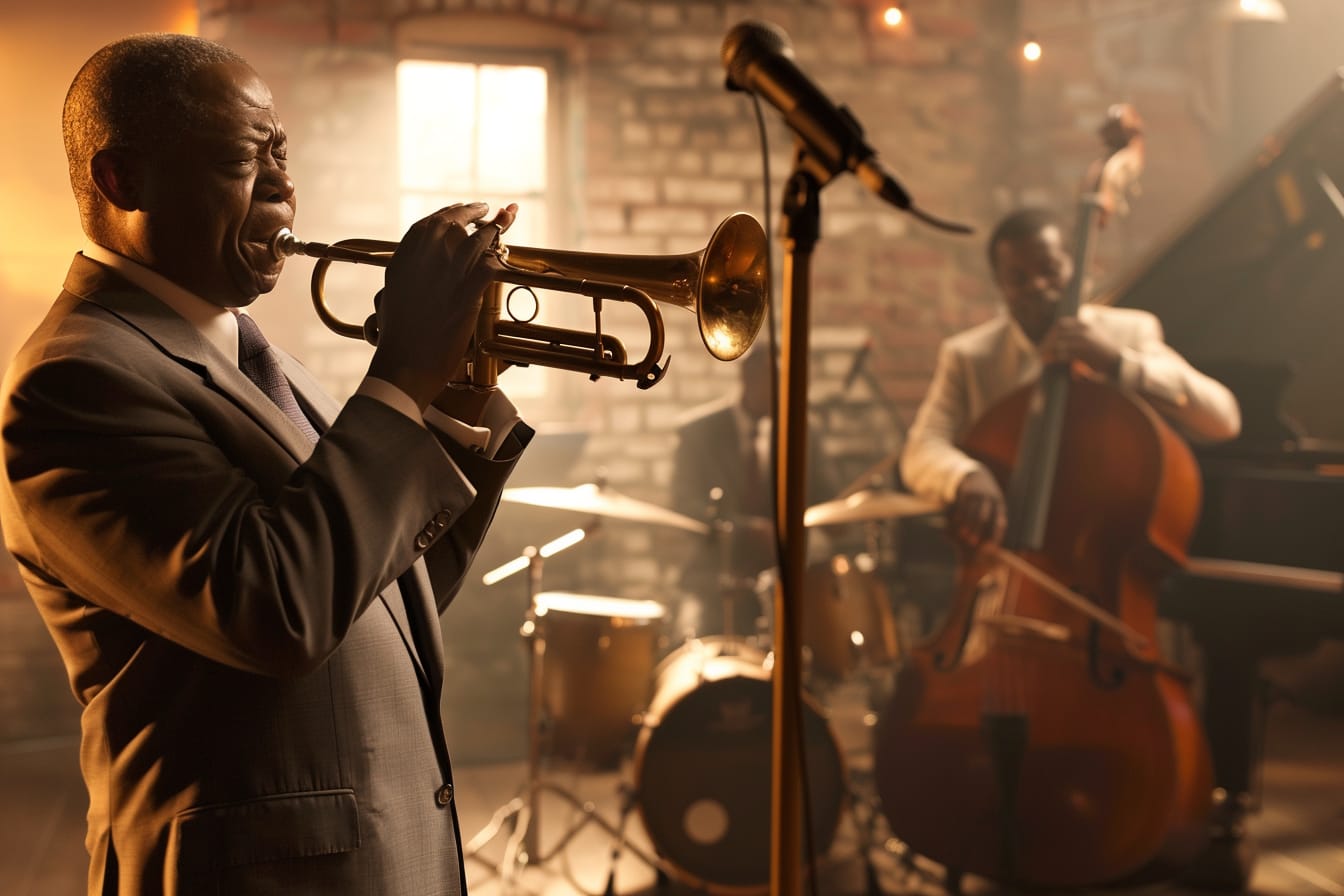
Even history leaves its mark. The African diaspora, torn from homelands and scattered by force, carried rhythm like a heartbeat into every corner of the Americas. That rhythm became the foundation of blues, jazz, samba, gospel. Pain and survival turned into music—music that now defines cultures far from where it began.
When children learn music rooted in their national culture, they aren’t just learning scales or songs. They are stepping into a deeper understanding of who they are. They begin to feel the connection between themselves and the land they walk on, the language they speak, the celebrations they attend. Music helps them carry their grandparents’ stories—even if those stories are never told out loud.
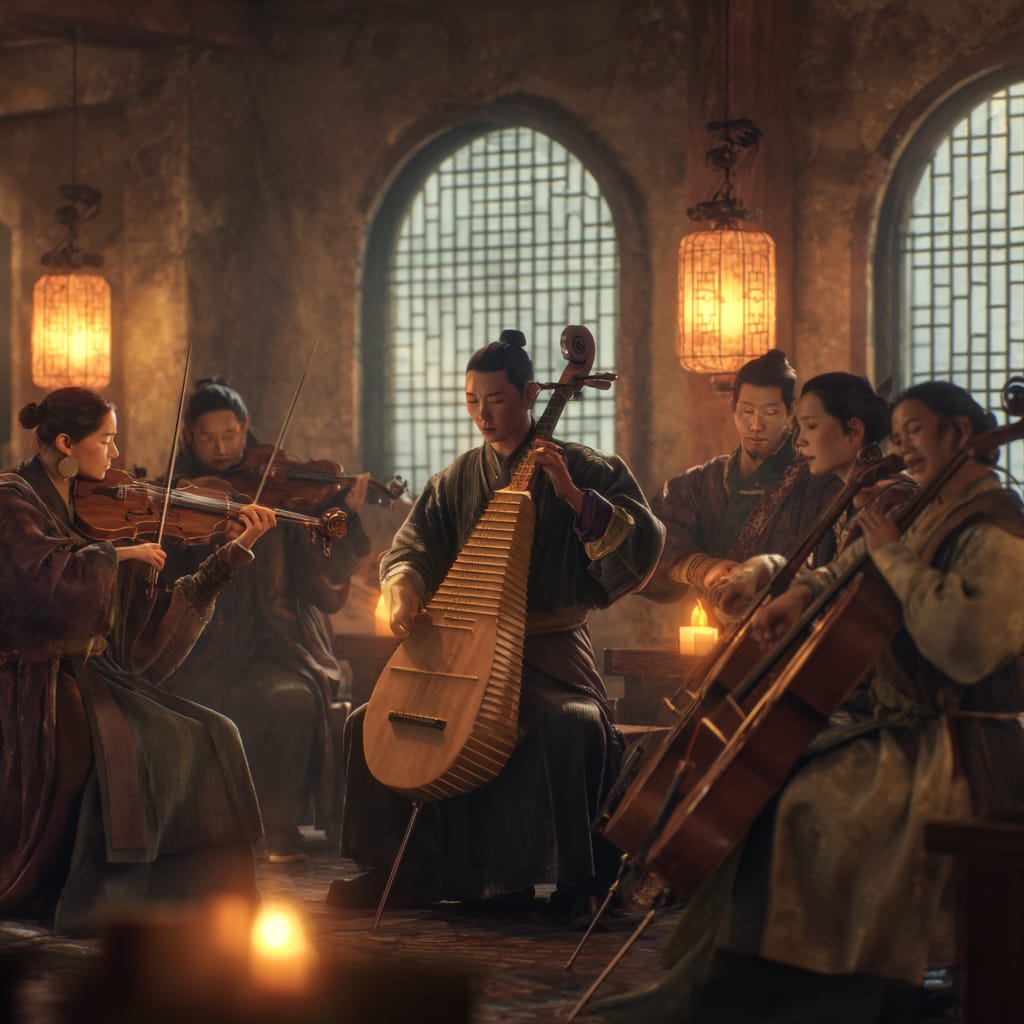
And yet, music doesn’t just preserve identity. It also welcomes others in. To play a Hungarian folk tune as a student in Canada, or a Chinese guzheng piece as a teenager in France, is to reach across oceans without words. It is a conversation between histories. A kind of respectful curiosity that only art can teach.
In every orchestra, in every classroom, we see how music shaped by national culture still breathes. A Bulgarian violinist brings her country’s asymmetrical rhythms into her phrasing. A Peruvian flutist draws breath like he’s still standing at the edge of the Andes. These touches are often invisible—but they’re there. They remind us that no two musicians are ever exactly alike, even if they play the same notes.
And perhaps that is the most beautiful truth about national music. It doesn’t isolate us—it deepens us. It teaches us that music is not just something you learn. It’s something you carry. Something that was shaped by wind and war, by weddings and winters, by languages that no longer exist and dances that still do.
So when a student sits down to play their first folk melody, they’re not just reading notes. They’re opening a door. Behind it is a room full of ancestors, of celebrations and hardships, of lullabies and protest songs. And beyond that room, there are a thousand other rooms—other cultures, other songs, waiting to be heard.
Music school, then, is not just a place to practice. It is a place to discover who we are—and who we can become when we listen to each other’s stories, one melody at a time.