From Louis Armstrong to Today
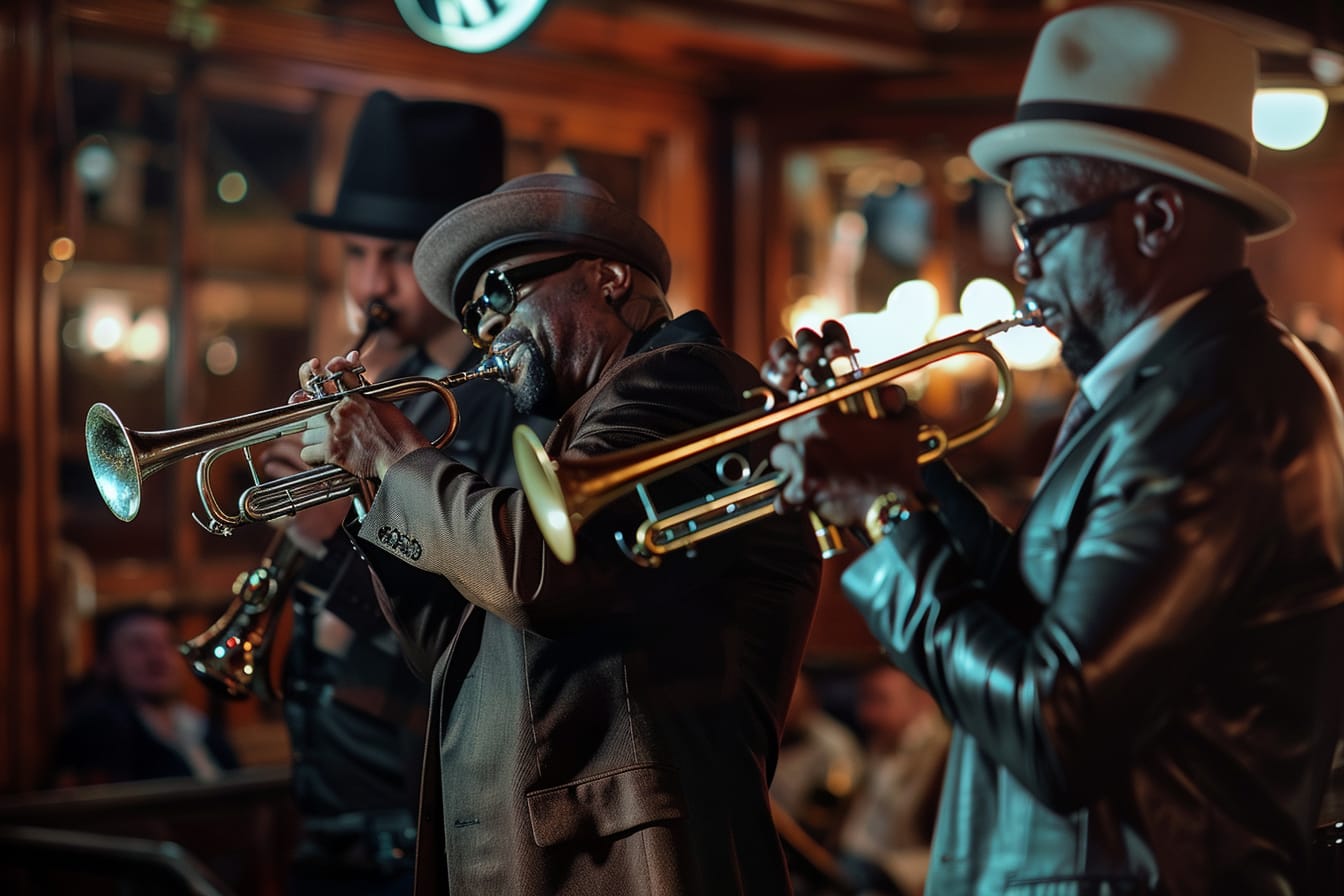
It’s hard to imagine jazz without the sound of a trumpet. That bold, brassy voice—shining like sunlight or crying like heartbreak—has become one of the most recognizable sounds in modern music. But how did this ancient signaling instrument become the centerpiece of jazz? The answer lies in a blend of history, invention, and a few musicians who weren’t afraid to break the rules.
Brass in the Birth of Jazz
Jazz was born in New Orleans in the early 20th century, a city buzzing with African, Caribbean, and European musical traditions. Street parades, funeral marches, and brass bands filled the air with rhythm and improvisation.
The trumpet—then called the cornet in many cases—was a natural fit for this environment. It could cut through the sound of drums and clarinets, lead a melody, and still leave room to decorate the rhythm with flourishes. It was loud, proud, and expressive—just like jazz itself.
Louis Armstrong: The Game Changer
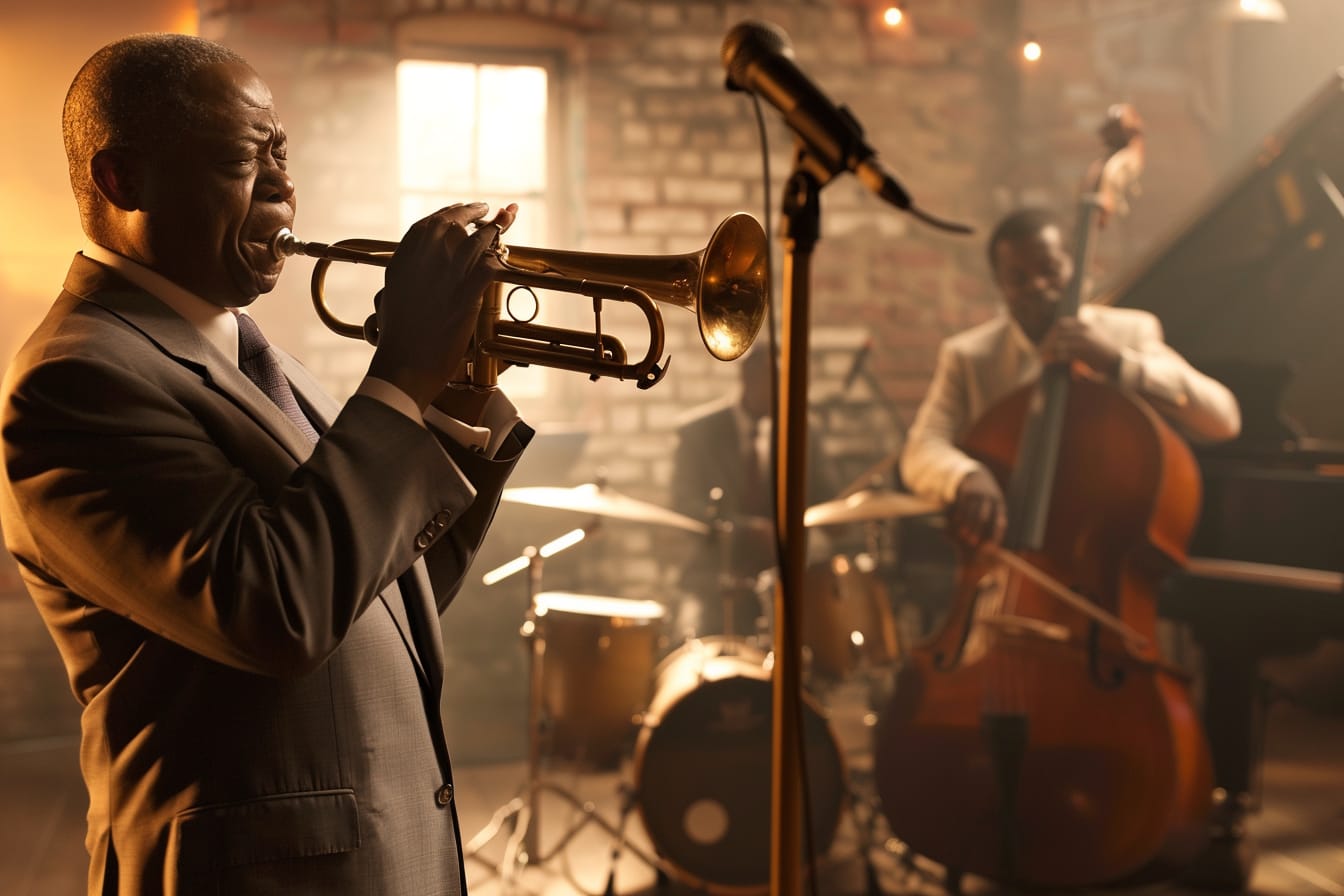
The true turning point came with Louis Armstrong. A young man from a rough neighborhood in New Orleans, Armstrong was gifted with a natural sense of rhythm, phrasing, and joy. When he picked up the trumpet (switching from the cornet), he didn’t just play notes—he told stories.
Armstrong revolutionized jazz by making the soloist the star. Before him, jazz bands played as ensembles, with few breaks for personal expression. Armstrong flipped that on its head. His trumpet became a voice—playful, defiant, tender—and inspired generations to use the instrument not just to lead, but to speak.
From Big Band to Bebop and Beyond
In the 1930s and 40s, the trumpet stood tall in big bands, with legends like Dizzy Gillespie and Roy Eldridge pushing the instrument’s speed, agility, and harmonic daring. Dizzy, in particular, brought showmanship and intellect to the horn, helping to create bebop—a fast, complex jazz style that turned trumpet solos into lightning bolts of creativity.
Later, Miles Davis redefined everything again. His approach was subtle, sparse, cool. He used the trumpet like a brushstroke, painting mood and space with sound. From cool jazz to fusion, Miles showed that the trumpet could whisper as powerfully as it could roar.
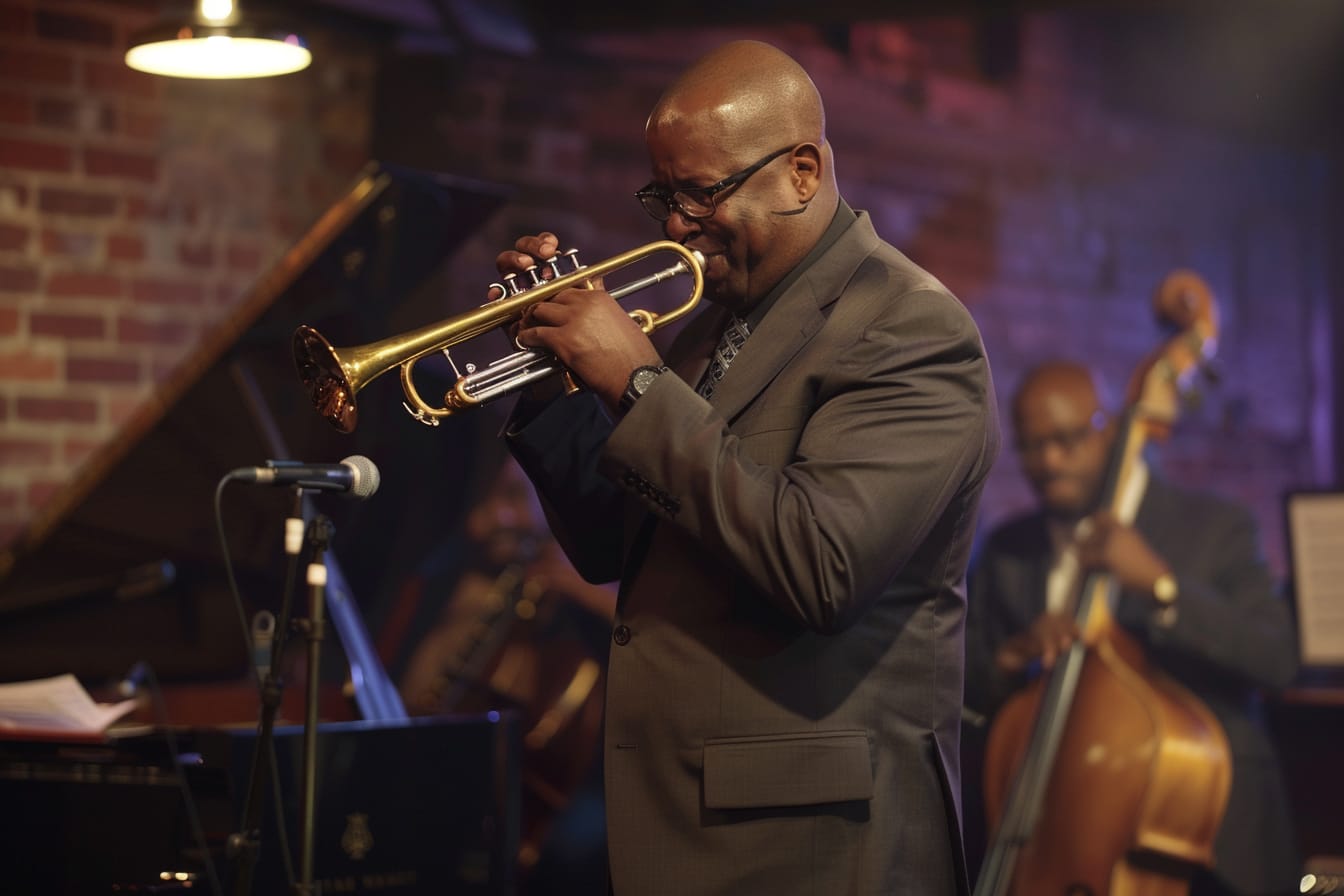
Today, trumpet icons like Wynton Marsalis, Terence Blanchard, and Christian Scott aTunde Adjuah continue to evolve the tradition—merging jazz with hip-hop, classical, gospel, and electronic music.
The Jazz Trumpet’s Legacy
The jazz trumpet became iconic because it never stayed still. It adapted, rebelled, soared, and redefined itself with each generation. From Armstrong’s joyful swing to Miles’ haunted silence, the trumpet has always been the emotional center of jazz’s most human stories.
When a student picks up the trumpet today, they don’t just learn scales. They inherit a legacy of passion, resilience, and personal expression. And that’s why it still matters.