A Journey Through the Origins of Brass Instruments
Long before brass instruments dazzled in orchestras and jazz bands, they were tools of power, ritual, and communication. The trumpet and horn—two of the oldest members of the brass family—have a rich, bold history that spans thousands of years and nearly every continent.
But how did we go from blowing through an animal horn to performing Mozart and Miles Davis? Let’s trace the fascinating evolution of these mighty instruments.
Ancient Beginnings: Horns Before Music
The earliest “horns” weren’t musical at all. They were literal animal horns, hollowed out to create a sound that could carry across hills and forests. Used for rituals, warnings, and celebrations, these instruments were found in ancient Egypt, Mesopotamia, and Scandinavia.
Eventually, humans began crafting horns from bronze and silver, refining their shapes and expanding their power. The famous shofar (a ram’s horn) in Jewish tradition and Roman military horns like the cornu were some of the first signs that brass-like instruments could be more than just alarms—they could be art.
The Medieval and Renaissance Era: Trumpets of Status
By the Middle Ages, metal trumpets—long and straight—were used by royalty and the military. These instruments had no valves, just a long tube and a flared bell. They were powerful but limited: only a few notes could be played, using something called the natural harmonic series.
In the Renaissance, instruments like the natural trumpet and hunting horn became more sophisticated, beautifully crafted for court music and ceremonial events. Still, they lacked flexibility and required the player to use lip control (embouchure) to “bend” into different pitches.
The Baroque and Classical Breakthrough
Then came the age of invention—and the real turning point for musical brass.
In the 18th century, composers like Johann Sebastian Bach and Georg Philipp Telemann began writing challenging trumpet and horn parts. But without valves, musicians had to play in only one key unless they used different tubing (called crooks) or played in very high registers (where more harmonic notes are available).
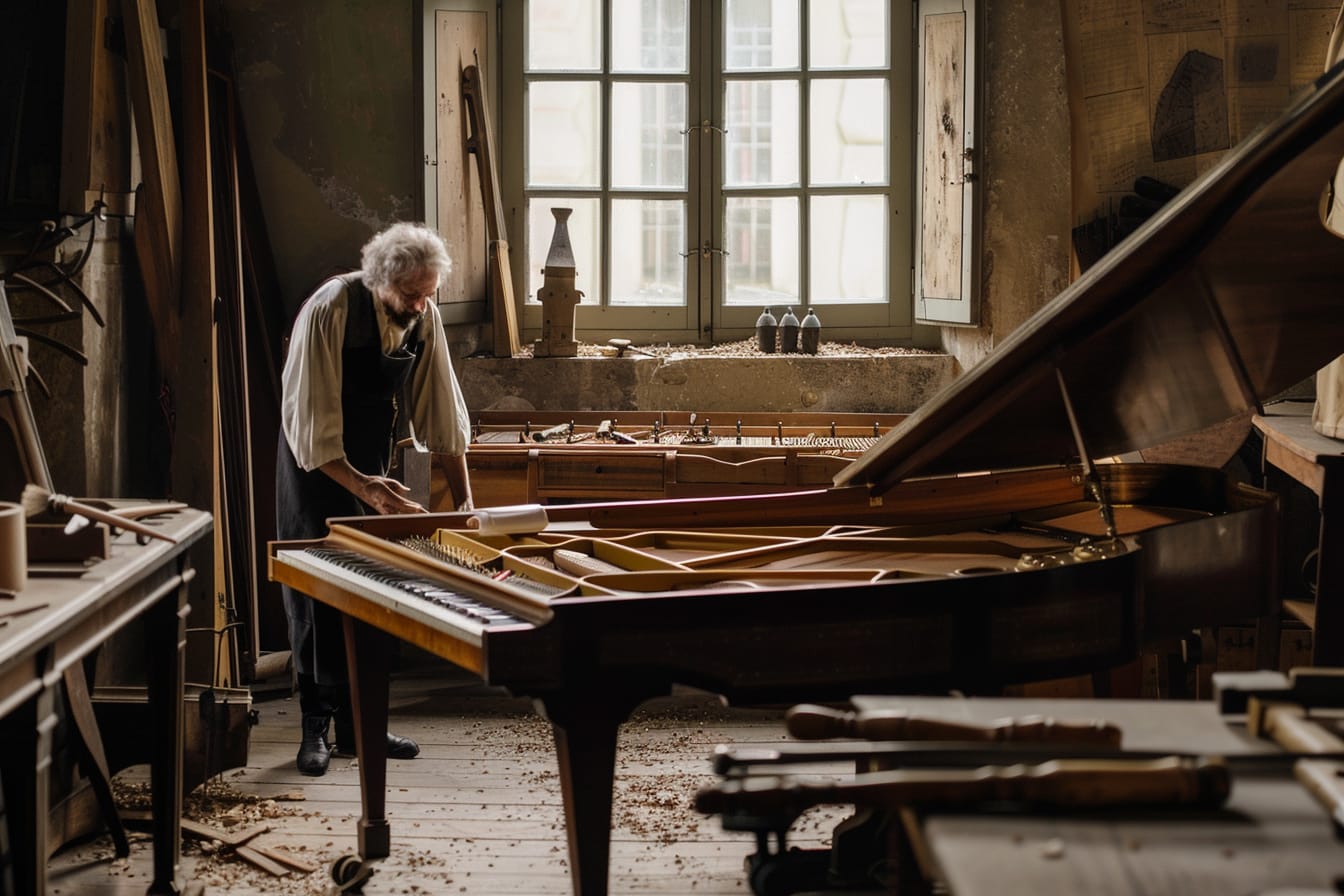
The invention of valves in the early 19th century (around 1815) was revolutionary. Suddenly, trumpet and horn players could play chromatically—all the notes in the scale—without changing instruments. This opened the door for modern symphonic brass playing.
The Modern Trumpet and French Horn
Today’s B♭ trumpet and French horn are direct descendants of this innovation boom.
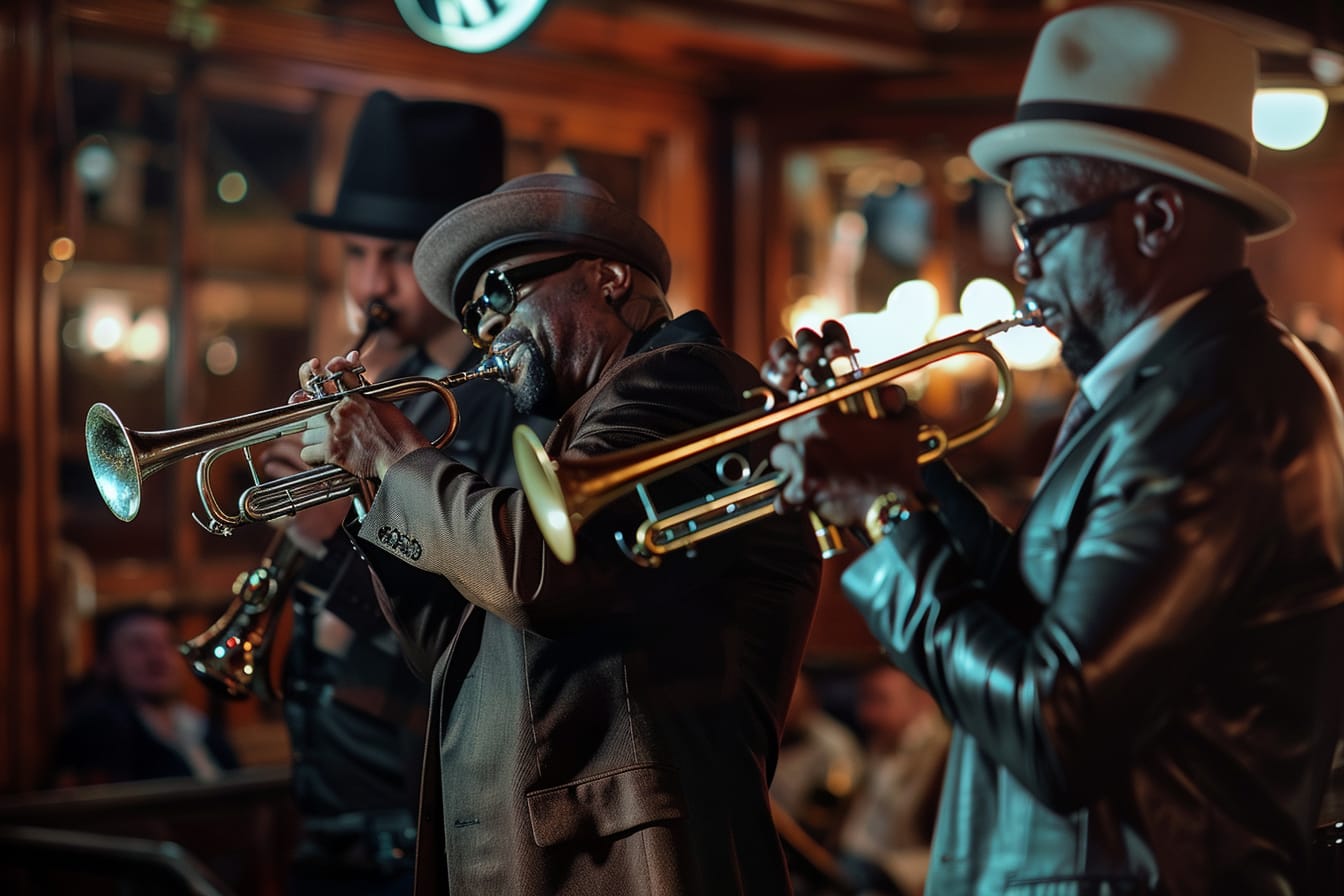
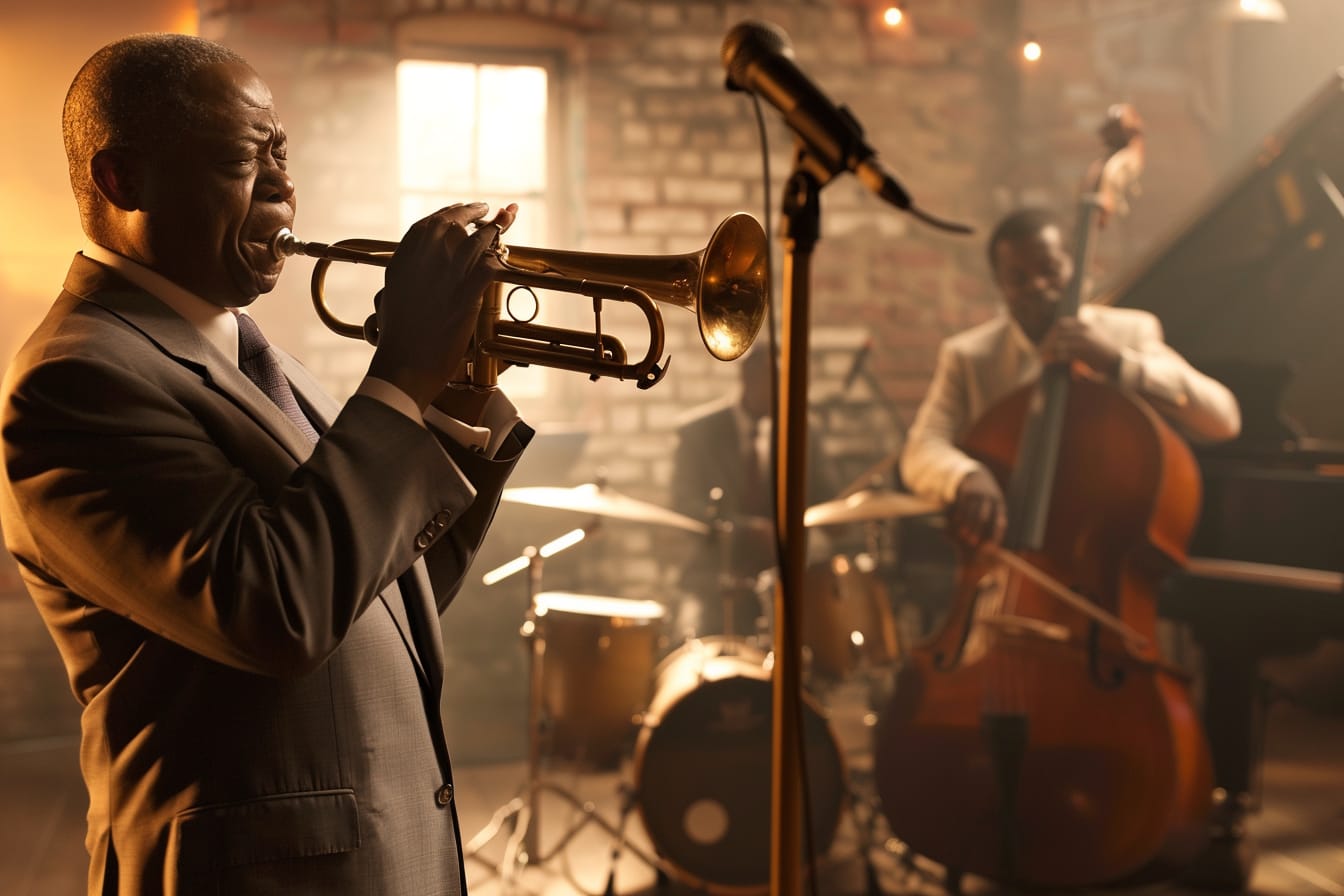
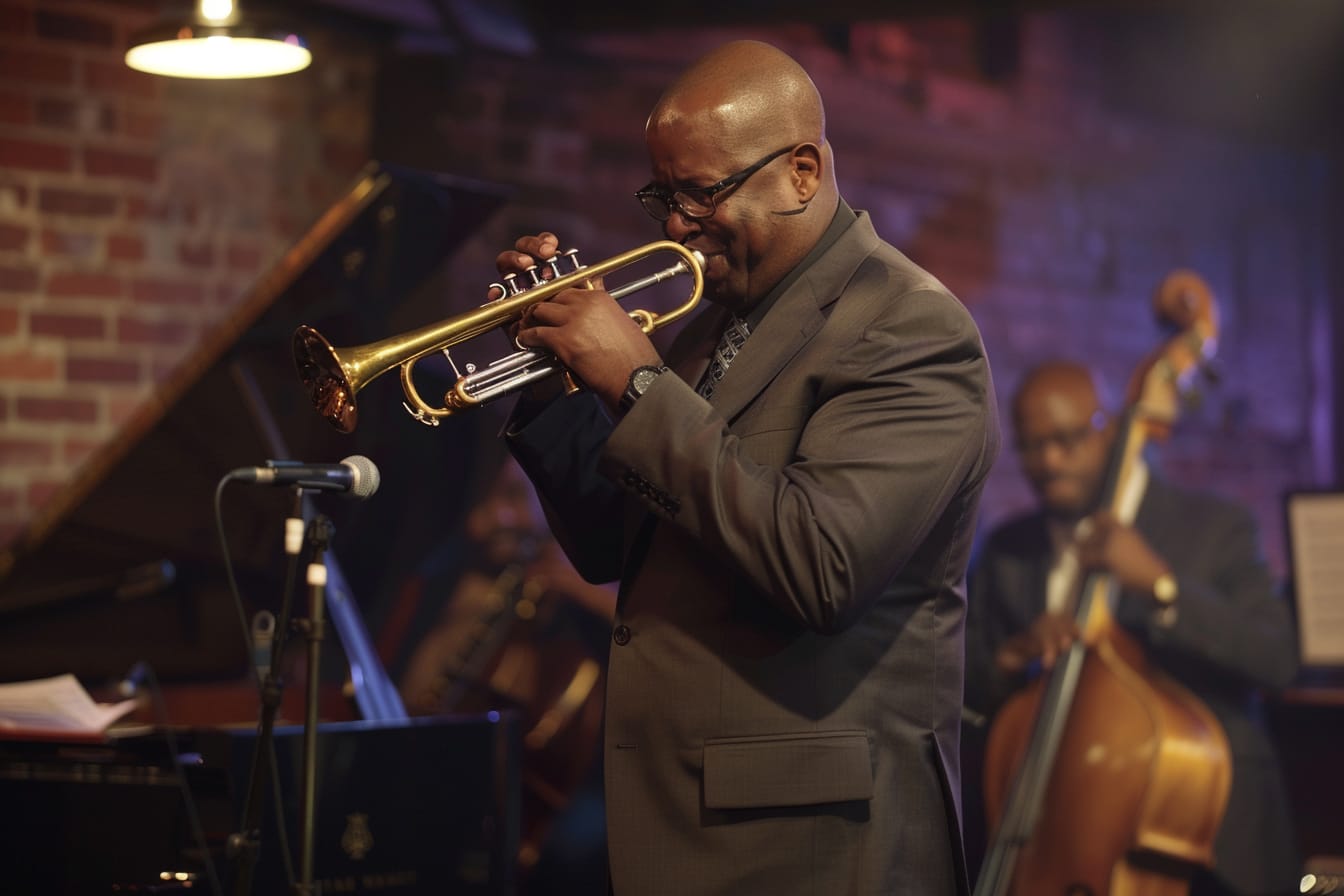
- The modern trumpet, compact and agile, became a staple in classical, jazz, pop, and marching band settings. With its bright, cutting tone, it’s often the leader of the brass section.
- The French horn, with its long coiled tubing and mellow sound, remains one of the most challenging and emotionally expressive instruments in the orchestra.
These instruments may look vastly different from their ancestors, but they carry the DNA of thousands of years of human sound-making—from forest calls to fanfares to film scores.
Why This History Matters for Today’s Students
Understanding the history of brass instruments connects young musicians with their legacy. When a child picks up a trumpet or a horn, they’re not just learning notes—they’re joining a long line of warriors, artisans, and artists who used breath and brass to move hearts and minds.
Brass instruments teach control, confidence, and patience. And their history reminds us that behind every powerful note lies centuries of experimentation, culture, and evolution.