Finding the Right Posture for Violin and Trumpet Practice
There’s a quiet moment that happens before the first note. A musician picks up their instrument, breathes, adjusts their shoulders, shifts their weight—and chooses whether to sit or stand. It might seem trivial. But that choice can shape the entire practice session—and over time, it can shape the player.
For violinists and trumpeters especially, posture is more than preference. It's about sound. It's about stamina. It's about how the body learns to communicate with the instrument.
So which is better? Sitting or standing? As with most things in music, the answer depends on what you're trying to achieve.
For Violinists: Standing Builds the Frame, Sitting Polishes the Picture
Why Standing Matters
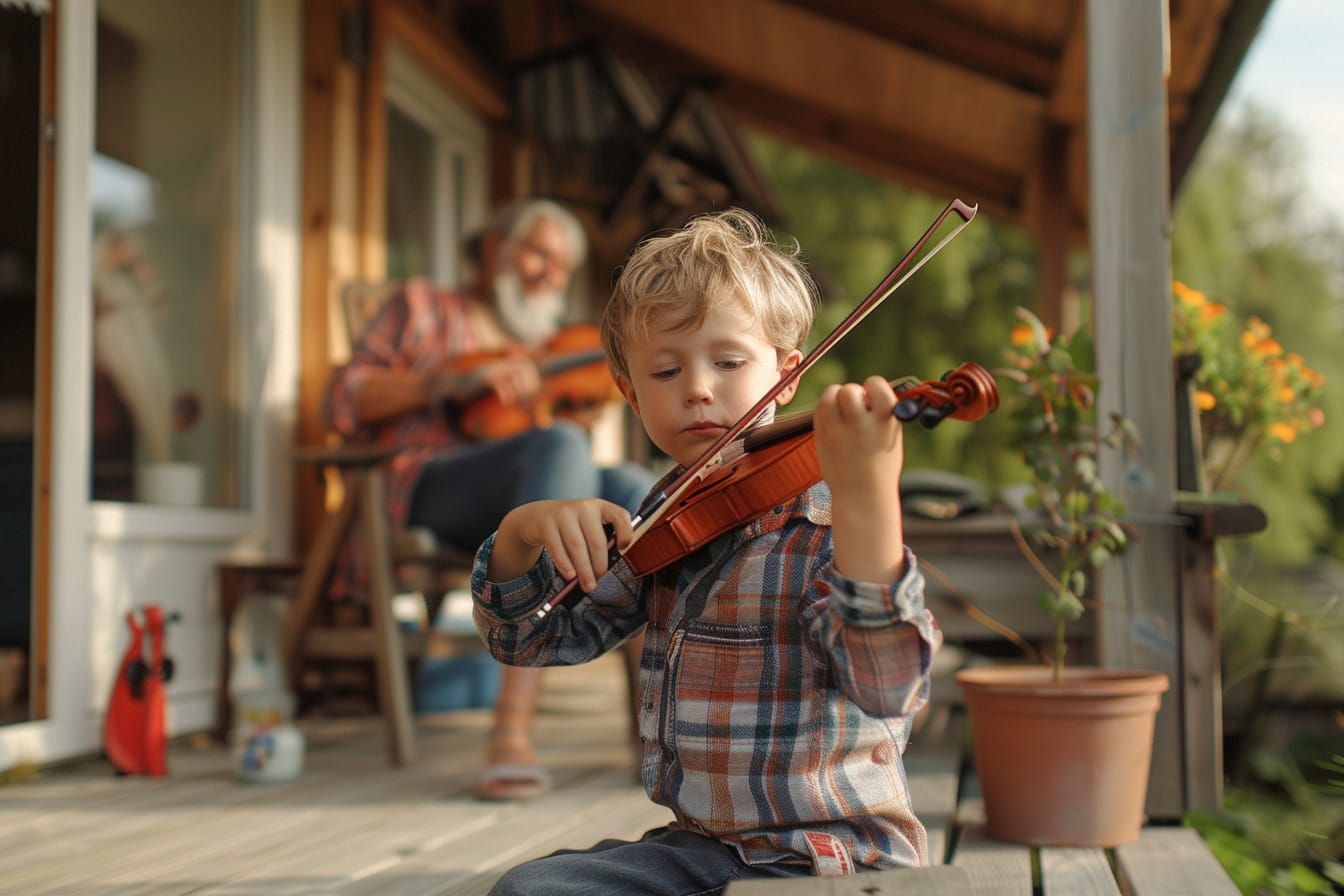
In the early stages of learning violin, standing is almost always encouraged. And for good reason: standing helps a young violinist develop the proper posture, balance, and bowing technique. It allows freedom of movement, especially in the right arm and wrist, which are critical for tone production.
When standing:
- The spine naturally aligns.
- The bow arm has more space to move without resistance.
- The player develops physical awareness and connection between the legs, torso, and instrument.
Standing also engages the whole body, which is essential for expressive playing. Teachers often note that standing violinists are more physically involved in their music—they sway, breathe, phrase differently.
But…
When Sitting Becomes Useful
For orchestral playing and chamber music, sitting is a must. So advanced students also need to practice how to sit well. Slumping in a chair while playing violin can lead to poor tone, tense shoulders, and a tired back. Learning how to sit tall, with balanced feet and a supported spine, is just as important as learning scales.
Sitting is especially helpful when:
- Practicing for ensemble rehearsals.
- Working on long technical passages where endurance matters.
- The player is recovering from fatigue or injury and needs support.
So for violinists, it’s not “either/or”—it’s “both/and,” used intentionally.
For Trumpet Players: Breathing Is the Real Decider
With trumpet, everything starts with the breath. And here, standing wins the airflow game. When you stand, your lungs have more room to expand, your diaphragm has full range of motion, and your posture supports open, resonant playing.
Standing Helps Trumpet Players:
- Develop deeper, more controlled breath support.
- Produce clearer tone with better projection.
- Improve articulation and stamina.
Especially for beginners, standing teaches the body to coordinate breathing and sound production without unnecessary tension.
But again, there are moments for sitting.
Sitting While Practicing Trumpet Works When:
- Simulating seated performance in band or orchestra settings.
- Managing fatigue during long practice blocks.
- Using a practice mute or working on finger dexterity exercises.
However, poor sitting posture in brass playing leads to shallow breathing, collapsed chest, and tight neck muscles. If you’re going to sit, the rule is the same: sit like you mean it—upright, balanced, and relaxed.
Health, Age, and Accessibility: The Real Bottom Line
For younger students, standing often keeps them more engaged and alert. But for students with back pain, weak core muscles, or other physical limitations, forcing a “stand-only” rule can do more harm than good.
Likewise, for adult learners, alternating between standing and sitting helps prevent overuse injuries and fatigue. It also mirrors real-world playing situations—sometimes on stage, sometimes in a pit, sometimes in a rehearsal chair.
The key is mindful practice posture—whatever the position. Playing while slouched, twisted, or tensed cancels the benefits of any position.
So What’s the Verdict?
If you’re just starting out, or building technique: stand more often than you sit.If you’re rehearsing for performance or working on stamina: practice both.If you’re tired, sore, or recovering: sit well, breathe deep, and take breaks.
In the end, posture isn’t about rules—it’s about connection. The more you listen to your body while playing, the better your music will sound.
And whether you’re sitting or standing, the real goal is always the same: to make your practice session not just productive, but sustainable—and joyful.