The Oldest Musical Instruments Still Played Today
Music is as old as humanity itself. Across centuries and civilizations, instruments have evolved, yet some have endured almost unchanged. Remarkably, there are instruments still played today that have kept their original design for hundreds—and in some cases, thousands—of years. Let’s journey into history and meet these timeless instruments.
1. The Flute: Echoes from Prehistoric Caves
Archaeologists have discovered bone flutes dating back over 40,000 years in German caves. Crafted from bird bones and mammoth ivory, these flutes prove that early humans already enjoyed melodic music.
Modern flutes, especially wooden and bamboo flutes still used in folk traditions worldwide, remain strikingly similar to these ancient originals. Simple finger holes and airflow produce tones that would sound familiar to our prehistoric ancestors.
Fun fact: The Indian bansuri and Chinese dizi, both over 2,000 years old, have changed little and are still central to traditional music.
2. The Lyre: Strings from Ancient Civilizations
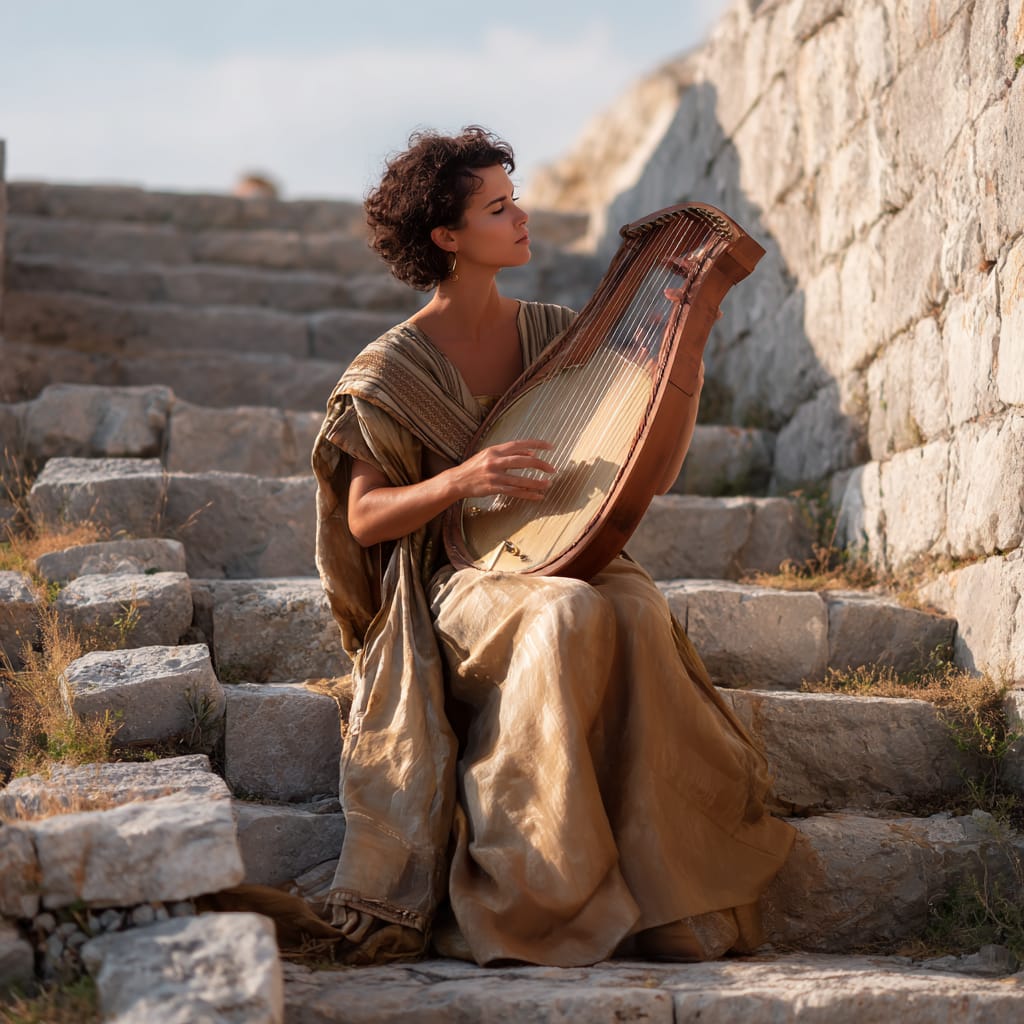
Dating back to Mesopotamia and ancient Greece (as early as 2500 BCE), the lyre is one of humanity’s earliest string instruments. With its wooden body and stretched gut strings, it produced melodies for epic poetry recitals and sacred rituals.
Today, you can hear lyres played in historical music ensembles, especially in Greece and the Middle East. Modern replicas remain almost identical to those plucked by bards thousands of years ago.
3. Bagpipes: Ancient Drones of Pastoral Life
Bagpipes may conjure images of Scottish highlands, but their origin stretches back to ancient Rome and possibly even further. Early designs used animal bladders and wooden pipes to create sustained drone sounds.
Modern Scottish bagpipes and their cousins in Eastern Europe and North Africa have maintained the same principle: an airbag, a chanter for melody, and drones for harmony. This centuries-old tradition still resonates at cultural festivals worldwide.
4. Didgeridoo: Australia’s Ancient Voice
The didgeridoo, developed by Indigenous Australians at least 1,500 years ago, is made from hollowed-out eucalyptus branches. Played using circular breathing, it produces a deep, resonant sound used in ceremonies and storytelling.
Today, Indigenous communities and world musicians continue to play didgeridoos made with the same natural methods and shapes as the originals.
5. Harp: From Ancient Temples to Concert Halls
Depicted in Egyptian tombs around 2500 BCE, the harp has existed in various forms across continents. Its triangular frame and plucked strings have changed little in design.
While concert harps today are large and sophisticated, traditional harps in Africa, Ireland, and South America remain close to their ancient ancestors, keeping millennia-old techniques alive.
Why These Instruments Endure
- Simplicity of Design: These instruments are so well-designed that there’s little need for alteration.
- Cultural Importance: They are tied deeply to rituals, storytelling, and national identities.
- Natural Sound Appeal: Their tones connect us to primal human expressions of rhythm and melody.
A Living Legacy
Imagine a child today learning the bamboo flute, harp, or lyre. They are not just picking up an instrument—they’re joining a tradition spanning thousands of years, playing music that once echoed in caves, temples, and ancient cities.
At [Your Music School Name], we believe music is a bridge between past and present. By learning these timeless instruments, students experience history not through books, but through sound and touch—keeping humanity’s earliest melodies alive.