A Journey Through Musical Genres
Music, in all its wild and endless variety, is a map of the human soul. Some genres glow bright on that map—marked by stadium lights, streaming charts, award shows. Others live in the margins, whispered through back-alley bars, passed from heart to heart without ever appearing in a playlist. But whether bold or quiet, famous or forgotten, each genre is a world of its own—shaped by people, place, and time.
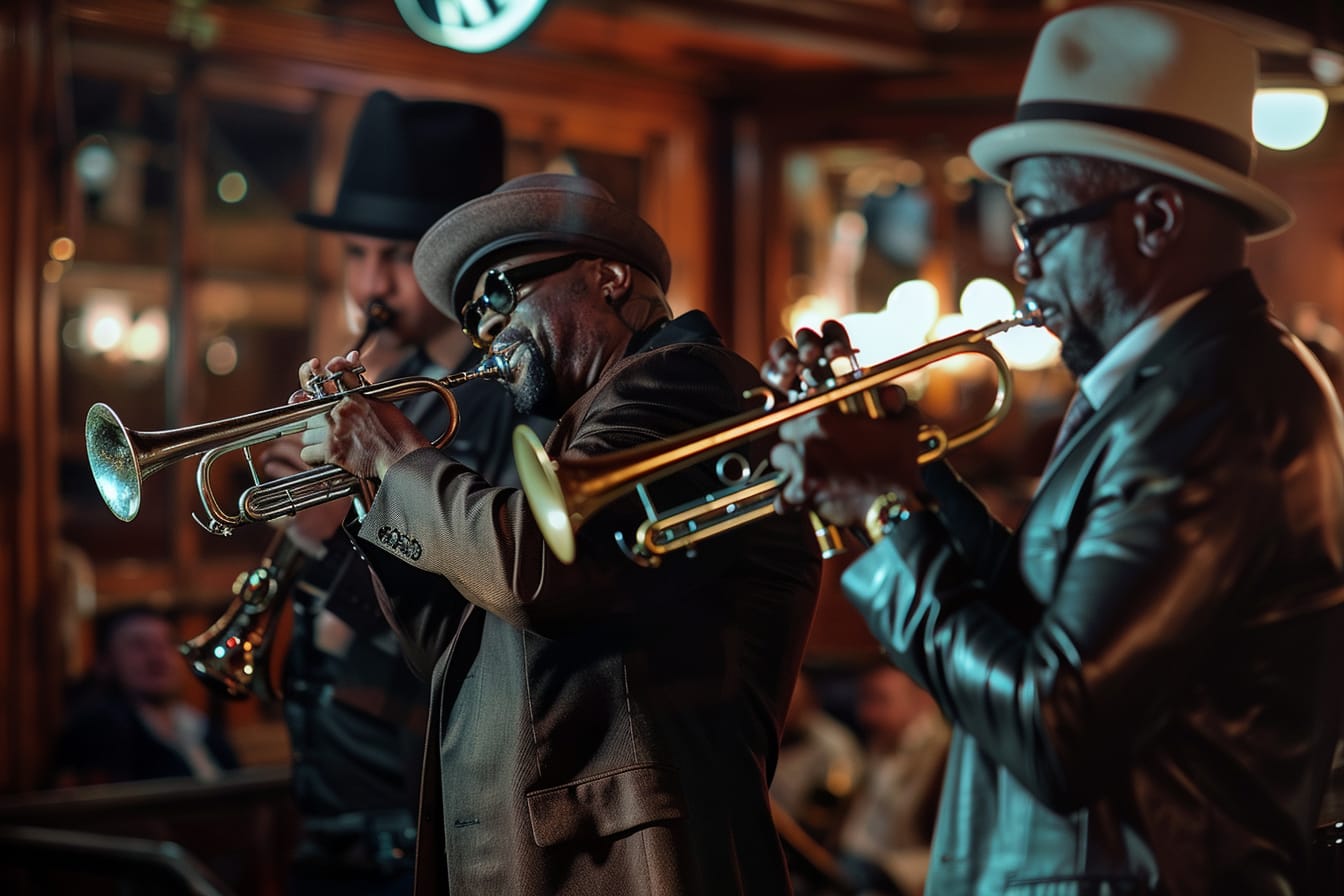
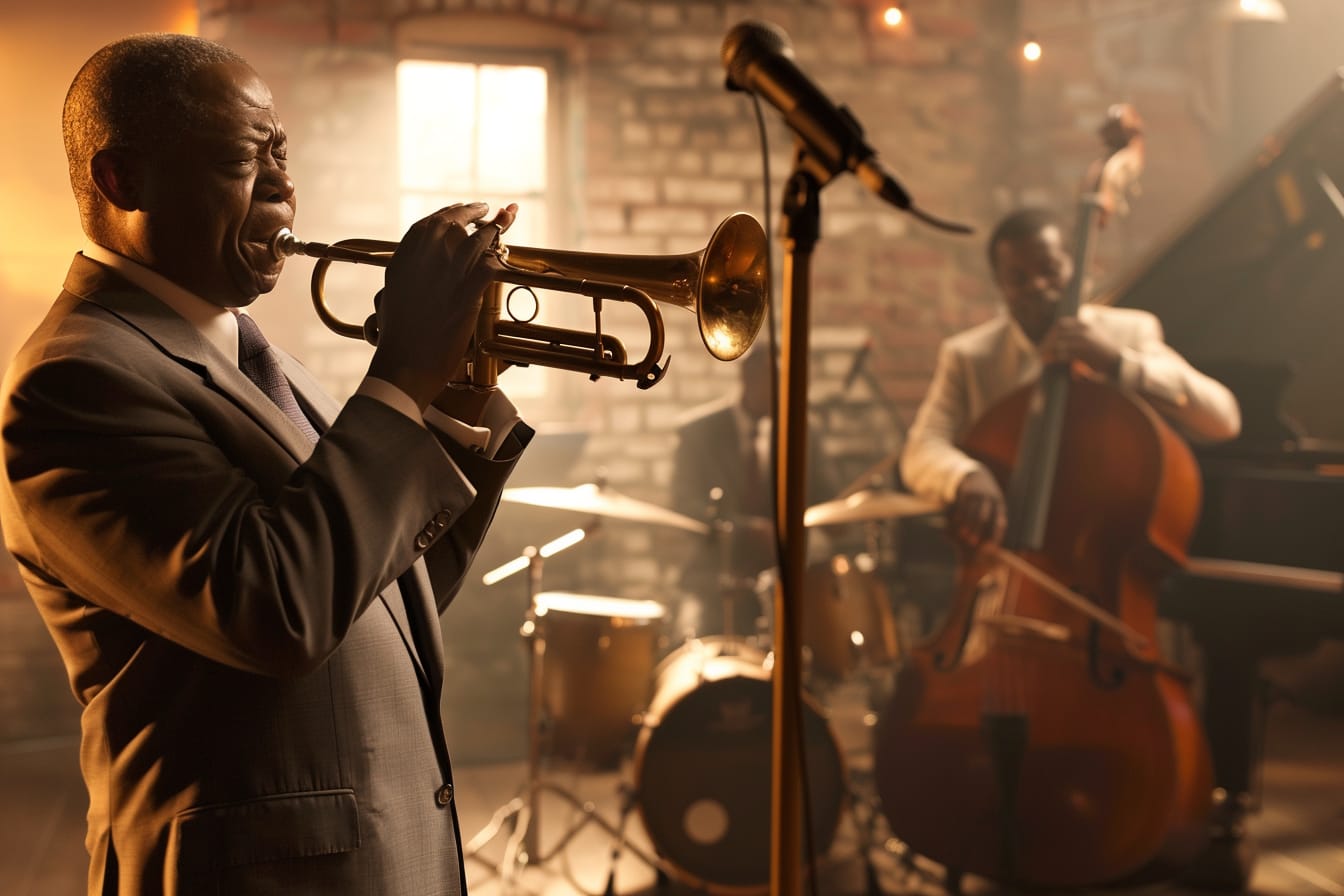
Walk into almost any room, anywhere in the world, and say the word "rock"—and someone will nod. Say "classical," and they’ll picture Beethoven or ballerinas. Say "jazz," and even if they can’t define it, they’ll think of saxophones and smoky lounges. These genres have become part of our cultural language. They’re taught in schools, played in films, performed in grand halls and subway tunnels alike. They’ve earned their spotlight.
Pop, of course, is everywhere. It's the musical wallpaper of modern life—bright, catchy, ever-changing. It evolves faster than any other style, borrowing sounds from everywhere and everyone. Then there's hip-hop, born from street poetry and urban struggle, now one of the most dominant forces in global culture. Country music tells stories with a twang and a heartache. Electronic music pulses through festivals and headphones alike, rewiring the way people dance.
But behind all this noise and glory, there are genres that don’t ask to be known—they simply exist. Quietly. Purposefully. Like gagaku, the court music of Japan, unchanged for over a thousand years. Or Tuvan throat singing, where voices split into overtones, weaving harmonies from a single throat to imitate wind, water, and sky. Most people have never heard these sounds—and yet they hold centuries of tradition, spirit, and meaning.
Then there’s Zydeco, born in Louisiana’s Creole culture, where accordion and washboard meet French and African rhythms in a dance of resilience. Or Highlife, an upbeat, brass-filled West African genre that bloomed in Ghana and Nigeria during the 20th century but rarely appears on Western radios. Or the mystical chants of Byzantine music, still sung in Orthodox churches across the Balkans, echoing deep through time with no instruments at all.
These lesser-known genres may not be mainstream, but they offer something just as vital—roots. They remind us that music is not just commerce or entertainment. It is identity. It is memory. It is survival.
Sometimes students ask, “What genre should I learn?” As if one is better than another. But music doesn’t care about categories. It cares about curiosity. Every genre—famous or obscure—asks the same questions: What do we feel? What do we remember? What do we long for? And every answer becomes a rhythm, a melody, a story you can carry.
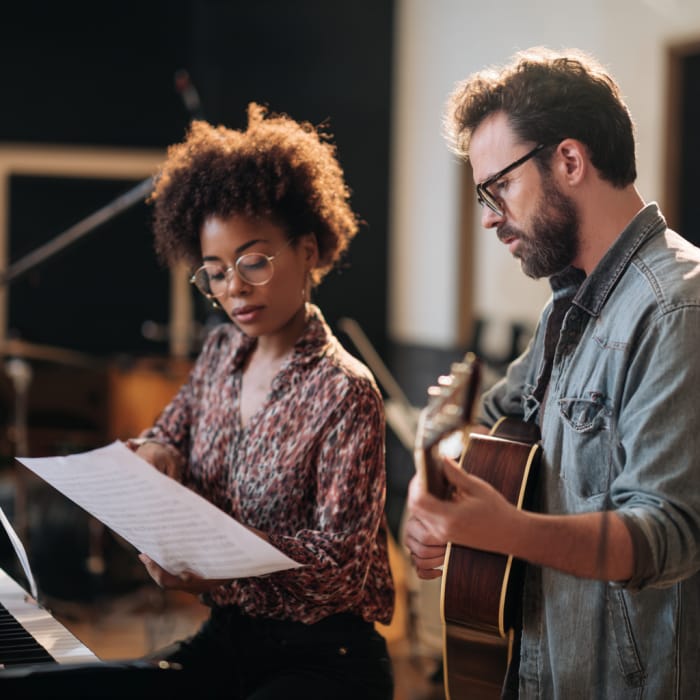
The beauty of a music school isn’t that it teaches you to master one style—it’s that it hands you a keyring and says, “Go explore.” It’s in the classroom where classical students discover funk. Where jazz players learn Balkan rhythms. Where a young pop singer hears the eerie beauty of a Gregorian chant and says, “Wait—what was that?”
Because somewhere out there, beyond what’s trending and what’s known, there’s a sound that feels like home to someone. And sometimes, it only takes one moment—one strange, beautiful piece—to change the way you listen forever.
So, whether your path leads through the grandeur of symphonies or the shadows of forgotten folk songs, remember this: every genre was once unknown. Every tradition began with someone brave enough to play what hadn’t been heard before.
And maybe the genre that speaks to you most is still waiting to be discovered.