How Playing Music Helped People Survive Isolation
In the silence of lockdowns, when streets emptied and voices hushed, something curious rose from kitchens, balconies, and bedrooms around the world: music. Not just Spotify streaming in the background—but living, breathing music. A violin pulled from a dusty case. A trumpet exhaling long-forgotten notes. Piano keys rediscovered under hesitant hands. In a time of separation, music became a thread that held people together—even when they were apart.
A Solitary Act That Connects Us All
Playing an instrument is often seen as a personal journey. A private practice. But in isolation, that personal act became collective therapy. When the world shrank to the size of a living room, people turned to their instruments not for applause, but for sanity.
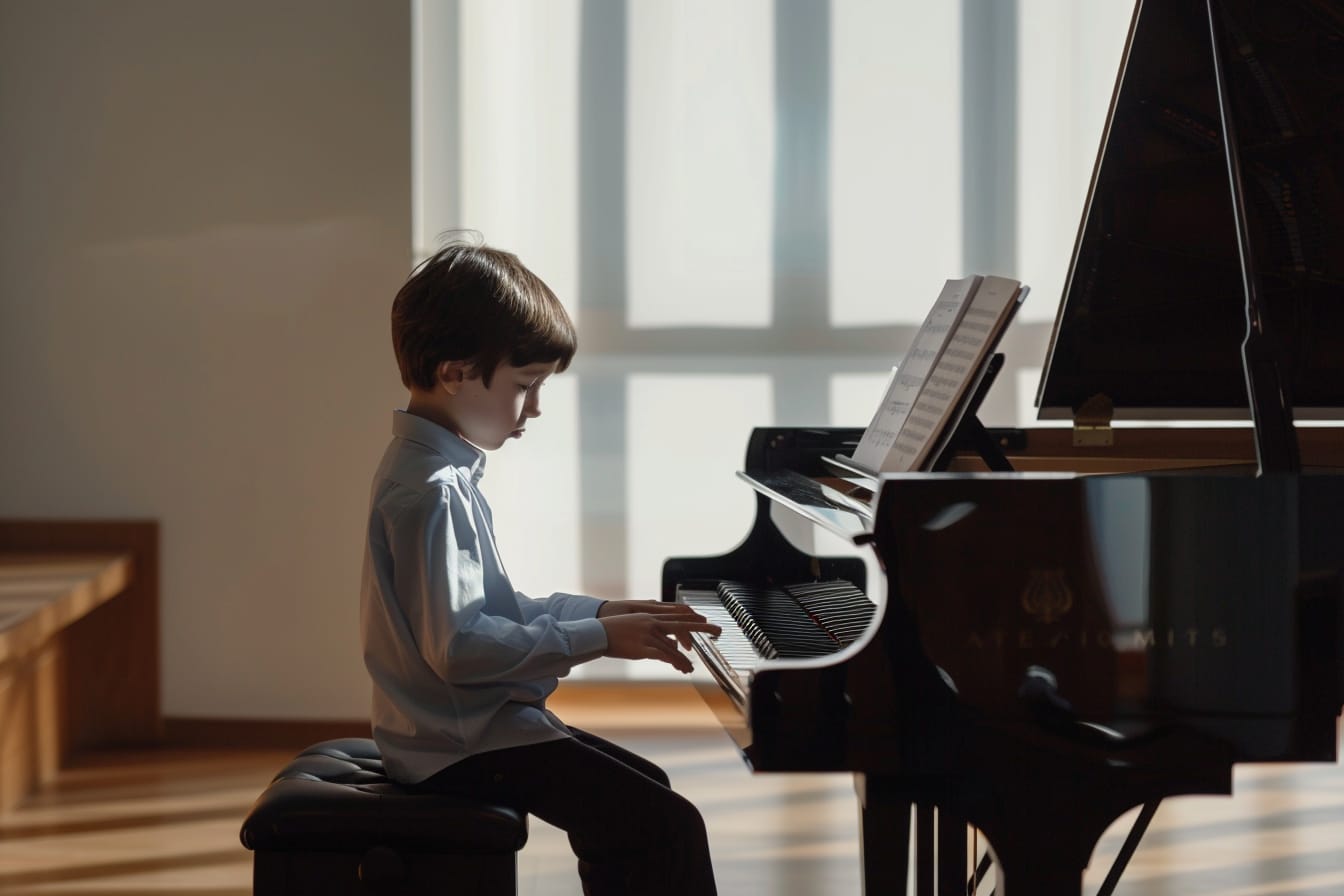
Psychologists noticed a surge of adults and children alike returning to music—not for performance, but for presence. Music offered structure in a day blurred by sameness. It gave people something to look forward to, something to improve on, something that moved, even when they themselves couldn’t.
A Global Response in Notes and Chords
Across Italy, balconies became stages. Cellists in Barcelona played for neighbors across courtyards. Trumpeters serenaded healthcare workers with renditions of Imagine and Over the Rainbow. In New York, bedroom saxophonists joined street musicians at a distance. These moments weren’t concerts—they were lifelines.
Instruments helped people cry, and also helped them hope. They filled the emotional vacuum left by social distancing with something raw and human. Every note was a statement: I’m still here. And I feel something.
Why Music Helped—Scientifically Speaking
Research has long supported the therapeutic effects of music-making. Studies show that playing an instrument activates almost every region of the brain simultaneously. It improves mood by increasing dopamine, reduces stress by lowering cortisol, and even helps regulate heart rate and blood pressure.
In isolation, these effects were more than beneficial—they were vital. For people dealing with anxiety, depression, or grief during lockdown, their instrument became not just a tool of expression but a companion. For many, it replaced lost routines. For some, it replaced lost people.
Stories from Real Life
A 16-year-old girl in Chicago, grieving the loss of her grandfather to COVID-19, began recording short cello pieces and sharing them with her extended family. "It was the only way I could talk without crying," she later said. Her videos brought her uncles and cousins together every week—not around a table, but around a screen. Her cello became the voice of a family’s shared healing.
A retired nurse in Berlin picked up the clarinet after 40 years and began learning again through online lessons. “I needed something that didn’t talk back to me, but that listened,” she laughed. “And I found myself in those notes.”
Countless similar stories unfolded in every city, every village. These were not prodigies or professionals. Just people holding on to something beautiful.
Music Schools Stepped In
Many music schools adapted quickly. Virtual lessons, Zoom orchestras, digital sheet music libraries—all became part of the new normal. Students didn’t stop learning; in fact, many practiced more than ever. Teachers reported something unexpected: in isolation, students became more emotionally connected to their instruments. They weren’t playing to perform. They were playing to feel.
And that shift—from achievement to emotional survival—was deeply human.
The Echoes Remain
Now, as life returns to concert halls and classrooms, the memory of those solitary songs lingers. Playing an instrument helped people survive silence, express grief, and find joy in small progress. It brought rhythm to chaos. It reminded us that even when we are alone, we are never truly isolated—because sound travels, feelings resonate, and music always finds a way.
For every child or adult who picked up an instrument during isolation, they learned something profound: that music is not just a hobby or a skill.
It’s a way through.