The World’s Youngest Musical Performers
It’s not every day you see a child walk onto a stage and silence an audience—not with a tantrum or a trick, but with a performance so rich, so confident, that grown adults forget the performer is barely out of kindergarten. And yet, throughout history and in today’s global music scene, such moments happen again and again.
These children aren’t just students—they’re performers. They don’t simply practice; they communicate. And their stories remind us of something powerful: that age has little to do with artistry when a child’s passion meets the right support.
The Classics: Young Legends in the Making
Long before the internet could make someone famous in a day, prodigies were already stealing hearts in royal courts and concert halls. Mozart performed in front of the Austrian Empress at the age of 6, astonishing audiences with both his harpsichord skill and his ability to play with a blindfold on.
At 11, Yehudi Menuhin performed as a violin soloist with the San Francisco Symphony. He would later become one of the greatest violinists of the 20th century, but even as a boy, his playing was mature and emotionally rich. Critics didn't just praise his technique—they marveled at his musical soul.
Today’s Child Stars: Talent in a Digital Age
Fast forward to today, and the world stage is even wider. YouTube, talent shows, and international competitions have uncovered dozens of young performers whose abilities defy belief.
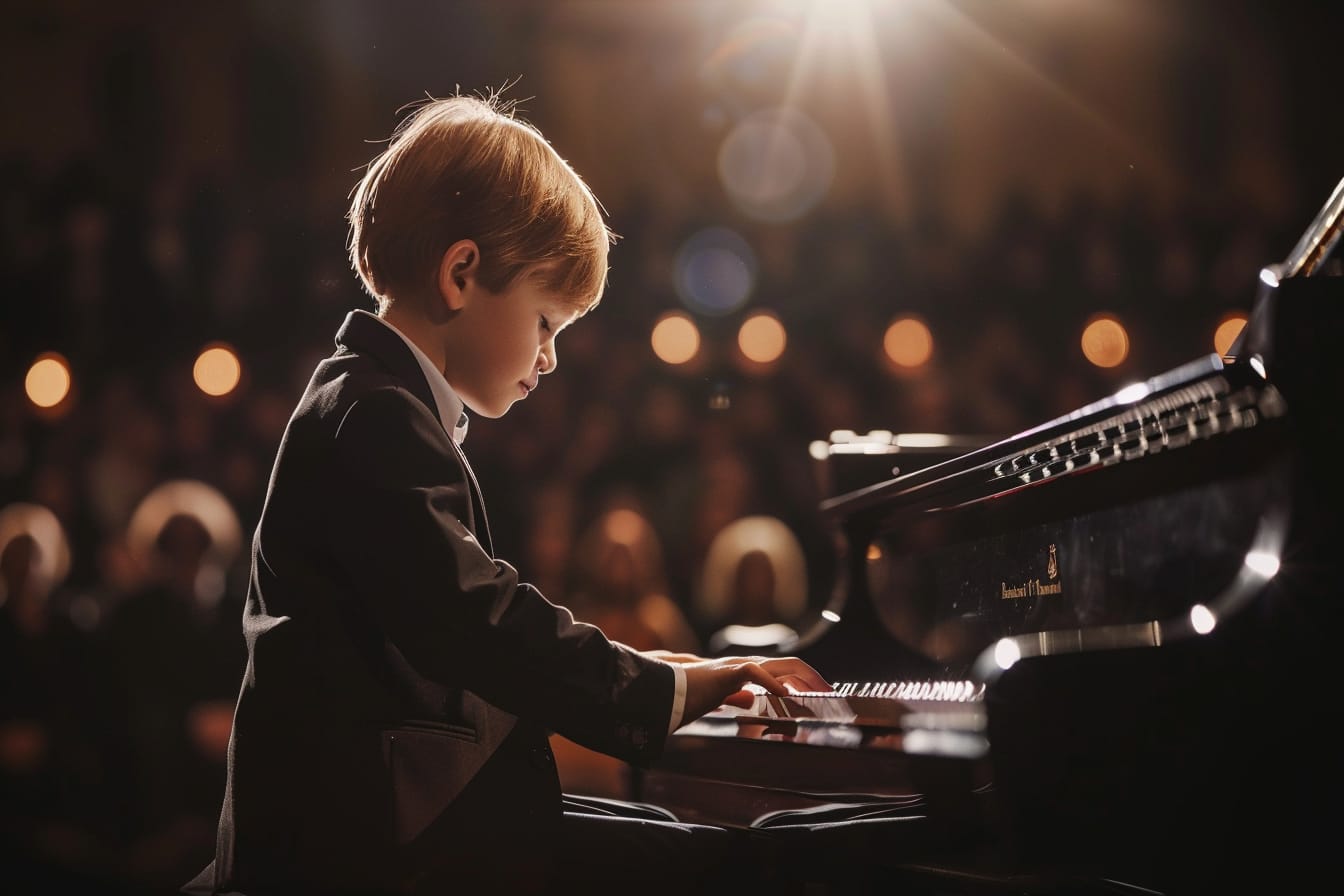
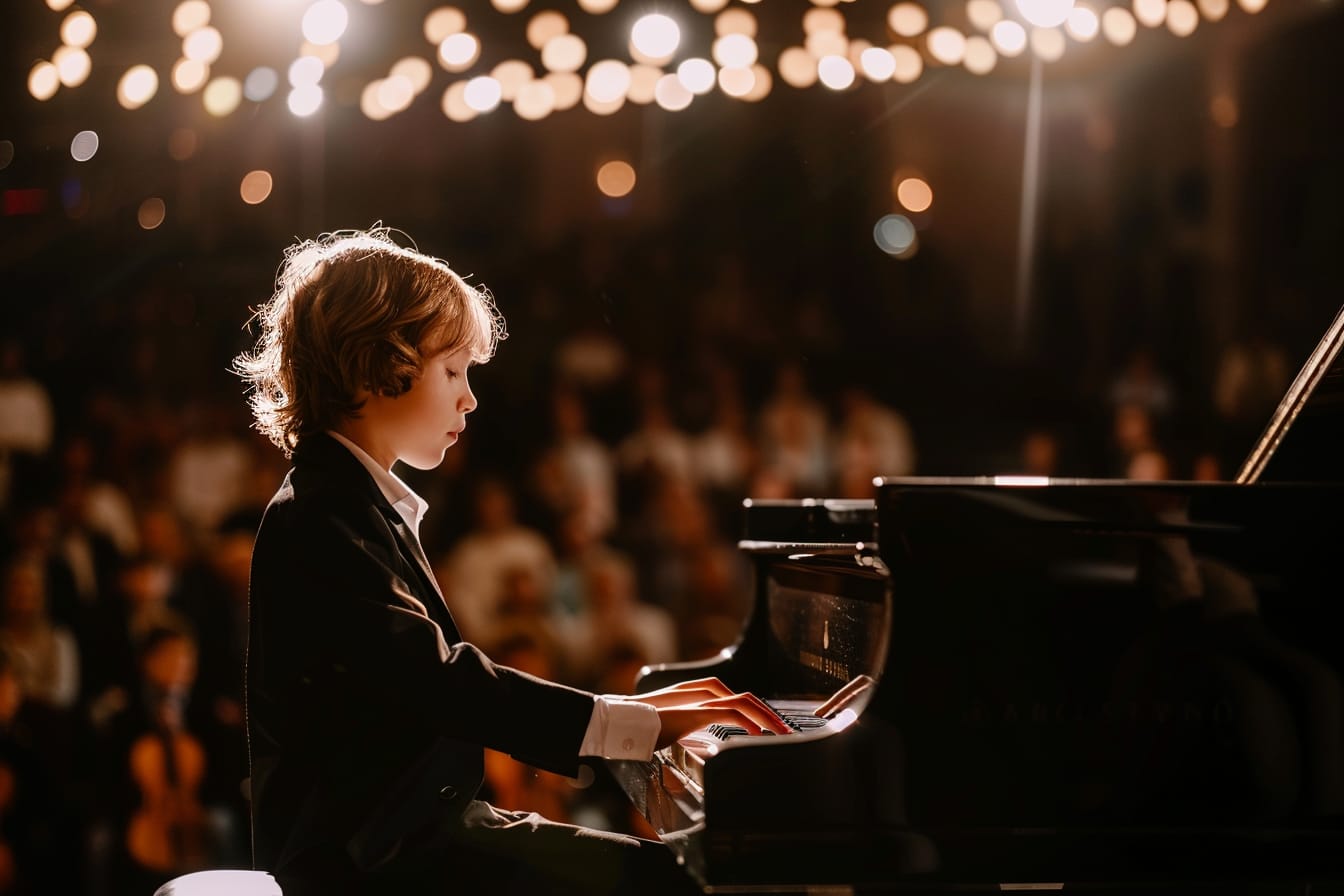
Take Evan Le, an American pianist who stunned the world with his performances of Chopin and Mozart—at the age of 5. Evan didn’t just play with speed or correctness—he played with expression, nuance, and understanding. Videos of his performances have millions of views, and audiences often say the same thing: “How can someone so small play with such depth?”
Or consider Anke Chen, a child pianist from China who began performing complex pieces on TV by age 4. Her joy at the keyboard is infectious, her fingers fly with astonishing grace, and yet her stage presence remains calm and collected—like a veteran of the concert hall.
Amira Willighagen, a Dutch girl with no formal voice training, won Holland’s Got Talent at the age of 9 by singing opera. Not pop, not children’s songs—Puccini. Her performance of “O mio babbino caro” brought grown men to tears and catapulted her into an international career.
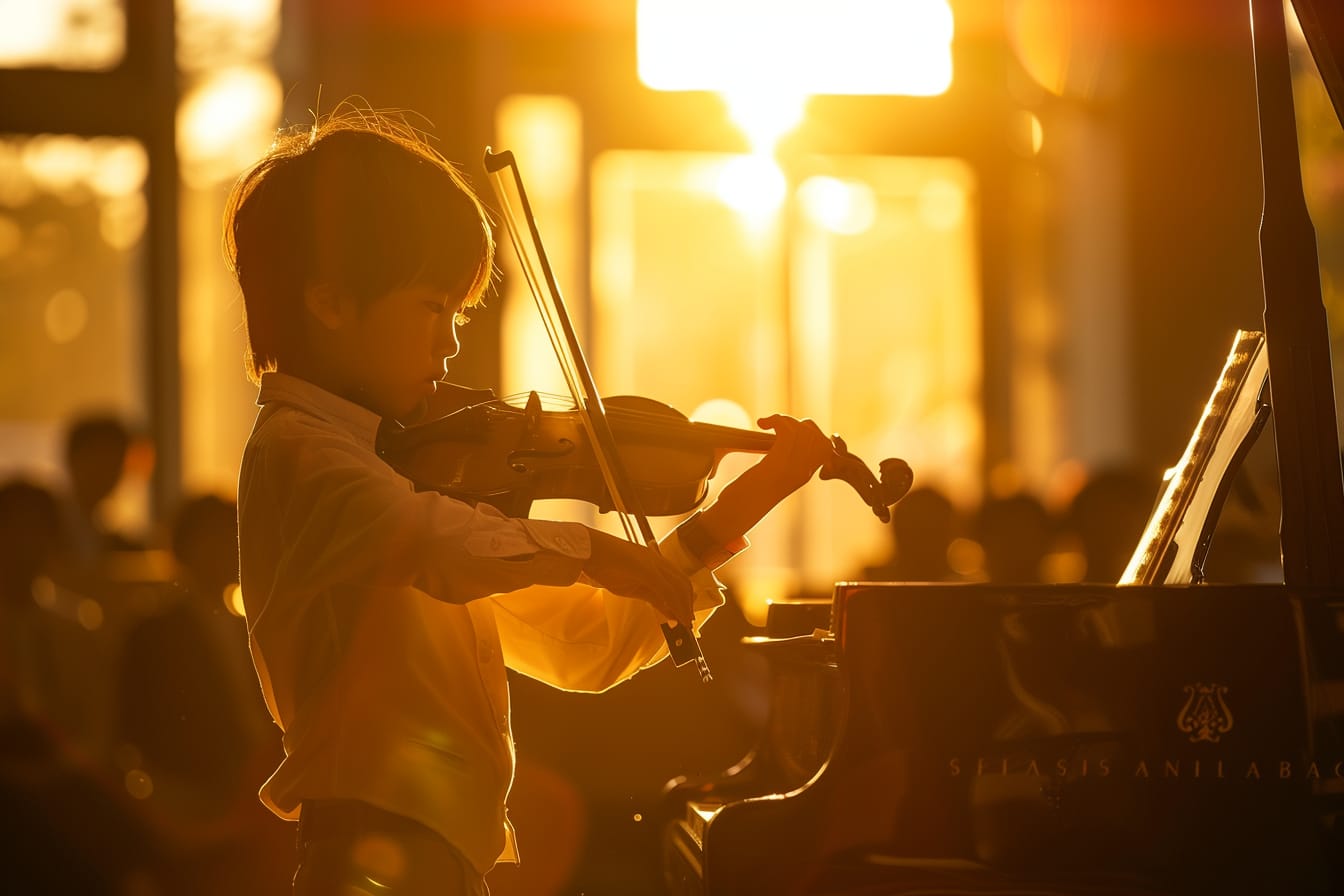
Meanwhile, in the world of strings, Christian Li, an Australian-Chinese violinist, became the youngest-ever winner of the Menuhin Competition at 10. His performance of Vivaldi was praised not just for technical perfection but for musical storytelling.
What Makes a Young Performer Shine?
It’s not only skill. While technical ability is important, what sets these children apart is a combination of emotional openness, musical sensitivity, and a supportive environment that balances discipline with joy.
Most of them began lessons early—some as young as 3 or 4—but none of them became great without play, encouragement, and the right teacher. Their families didn’t demand stardom; they nurtured curiosity.
At our music school, we see this all the time. The child who quietly sings to herself during break turns out to have perfect pitch. The boy who fiddles with the same four piano notes week after week suddenly creates a song that moves everyone. Performance doesn’t always begin in the spotlight. Often, it begins in silence—where talent waits patiently to be invited out.
Performing Young: The Balance
While early performance can be magical, it’s not about fame. Not every child needs to perform for thousands to experience the joy of the stage. Recitals, school concerts, and small ensemble performances all teach valuable skills—poise, listening, teamwork, resilience.
Children who perform learn to cope with nerves, to express emotions, to connect with others through sound. They learn to practice not just for themselves, but for something greater—the chance to share their music.
The Takeaway: Age is Just the Beginning
Every great performer was once a beginner. Every famous child musician once hesitated before their first lesson. The key is not in forcing talent, but in recognizing the spark—and helping it grow.
Whether your child will become the next Evan Le or simply play for family and friends, giving them the stage—even a small one—can change their life. Because music doesn’t care how old you are.
It only asks: Are you ready to be heard?