Why Some Instruments Are Best Learned Young—and Why Early Music Education Matters
It starts quietly—sometimes with a song hummed before sleep, a toy piano plinked at playtime, or a child who keeps rhythm with their feet before they’ve even learned to tie their shoes. Long before we speak in full sentences, we respond to music. And for some children, the moment they touch an instrument feels as natural as picking up a crayon or jumping into a puddle. The instinct is there. What comes next is opportunity.
Not every instrument is ideal to begin at age four or five. Some are simply too large, too heavy, or too complex for small bodies and minds still learning how to hold a pencil. But others are perfect—designed, or at least adaptable, for young learners. Choosing the right starting instrument isn’t just about sound. It’s about physical development, cognitive engagement, and emotional readiness.
Why Some Instruments Belong to Early Childhood
The violin is perhaps the most iconic early-start instrument. With fractional sizes—from 1/32 up to full size—even the smallest student can hold it comfortably. More than that, the violin teaches body awareness, balance, posture, listening, and discipline. The Suzuki Method, which revolutionized early childhood music education in the 20th century, was built around the violin precisely because of its adaptability and its melodic, expressive range.
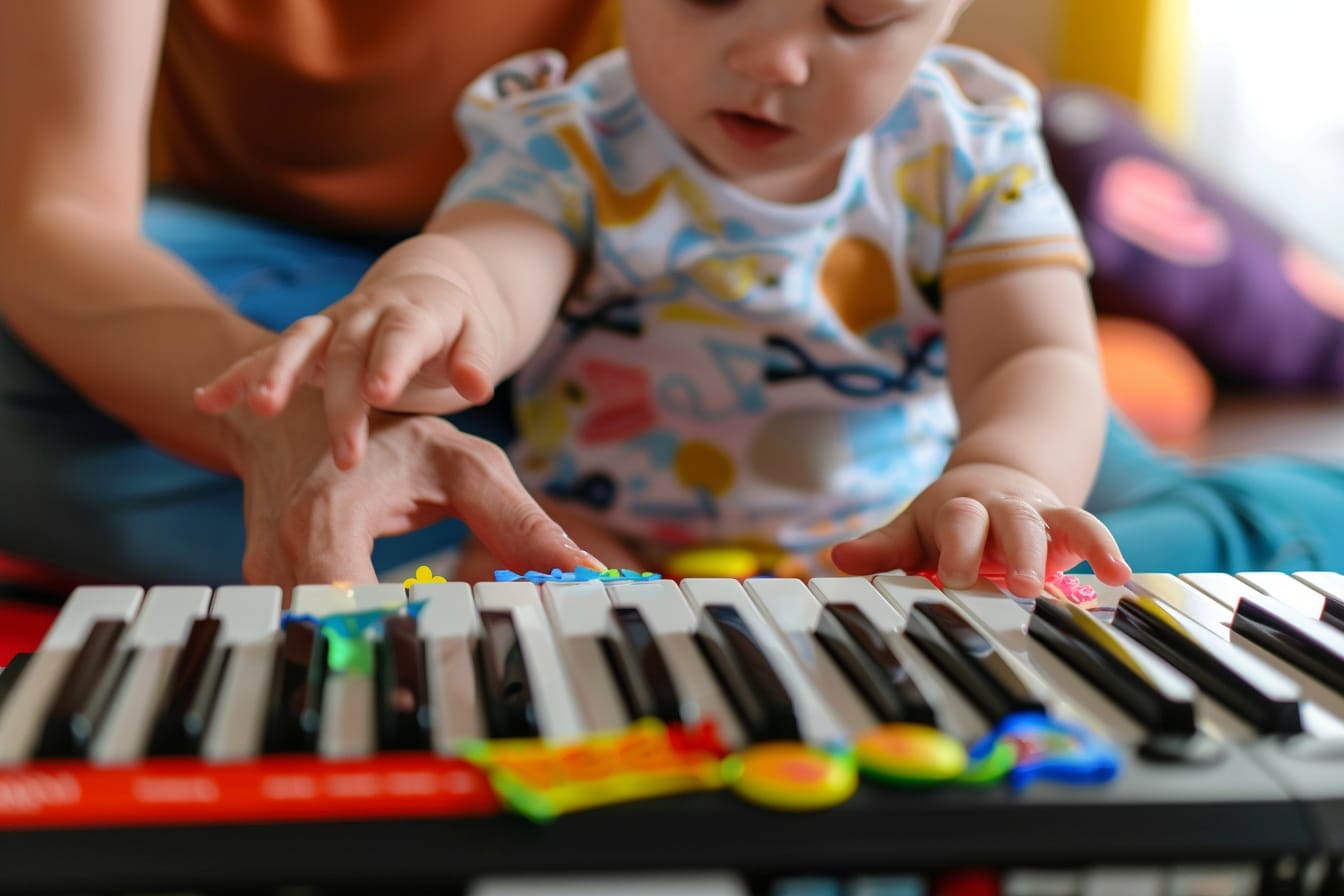
The piano is another excellent first instrument. Its visual layout makes music theory tangible—notes are laid out clearly, and harmony becomes visible under the hands. Children as young as four can begin piano lessons using simplified methods, and it offers instant gratification: you press a key, and it sings. No tuning, no embouchure. Just sound, immediately. That feedback builds confidence fast.
The recorder and keyboard glockenspiel are also gentle introductions. Light, portable, and friendly to young lungs and hands, they let children experiment with melody and rhythm in an accessible way. For children who love to sing or clap along to music, these instruments act as stepping stones to more advanced ones later.
Instruments to Approach a Bit Later
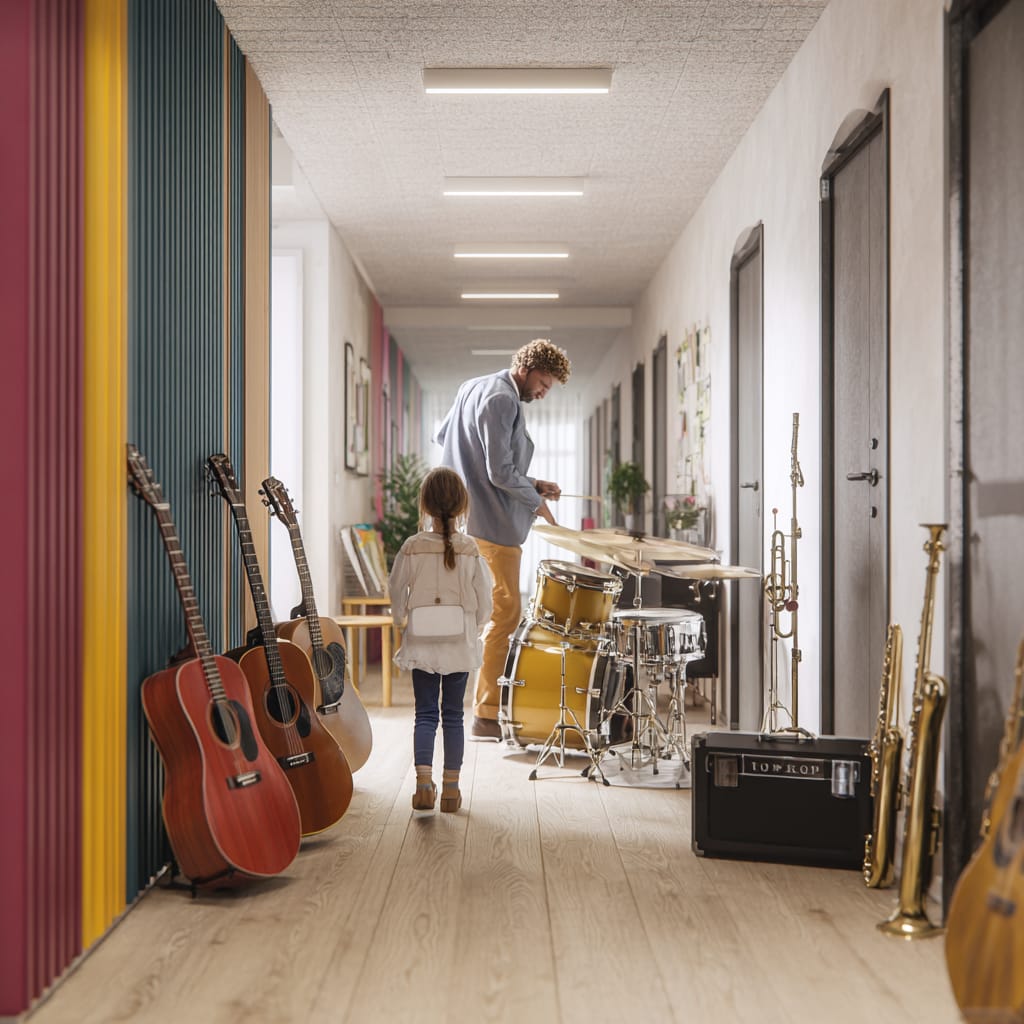
Some instruments ask more of the body than a five- or six-year-old can reliably offer. The guitar, for example, while wildly popular, can be tough on small fingers. Metal strings, wide fretboards, and tuning stability present challenges. That said, with child-sized guitars and nylon strings, many start successfully around age 7–8.
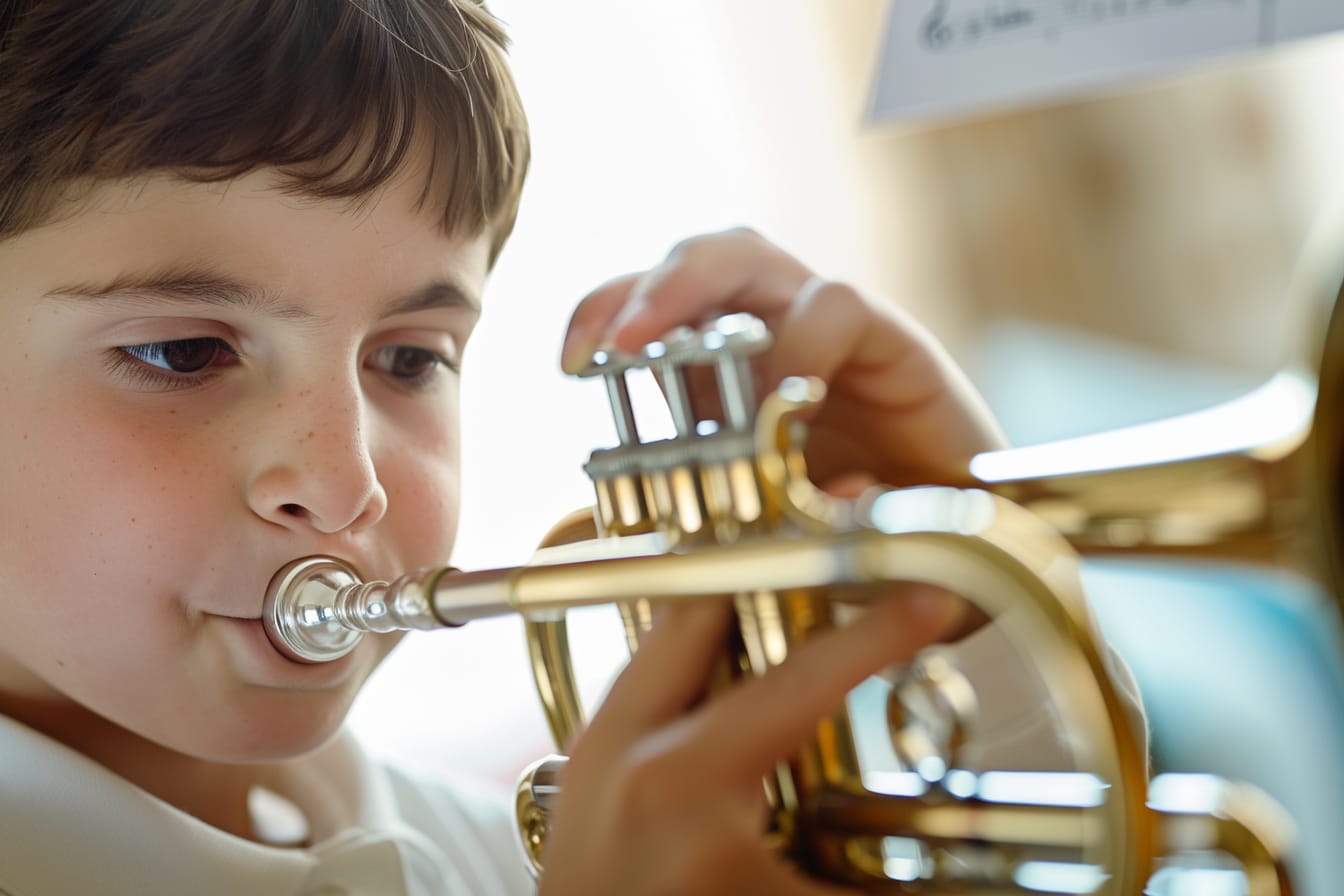
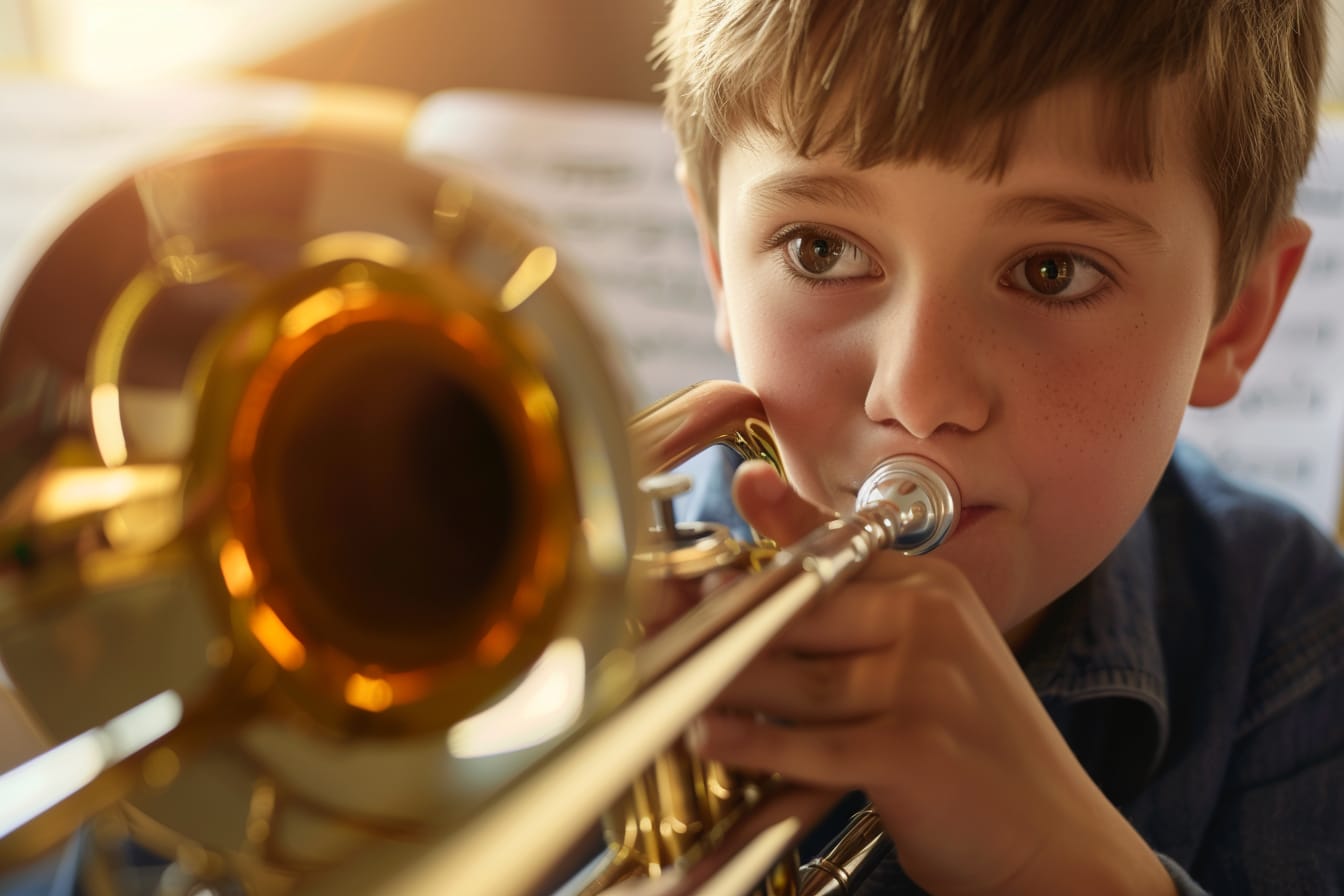
Brass instruments, like trumpet or trombone, require developed lung capacity and facial muscle control—better suited for ages 9–10 and up. The same goes for drums, where coordination between all four limbs and strength in the hands play a bigger role. With woodwinds, such as flute or clarinet, waiting until adult teeth are in and basic breathing control is developed can make a big difference.
Why Early Is Powerful (But Not Required)
Learning music at a young age offers gifts that last a lifetime—even if the child doesn’t grow up to be a musician. The brain during early childhood is uniquely primed for absorbing pattern, sound, and coordination. Children who study music early often show enhanced language skills, memory, emotional regulation, spatial awareness, and even mathematical reasoning.
But music does more than sharpen the mind. It builds patience, resilience, and a sense of identity. In a world of instant gratification, music teaches that mastery comes through repetition. It helps children understand their feelings, find their voice, and feel connected to something larger than themselves.
And perhaps most importantly, early exposure to music creates a foundation of confidence and self-expression. Whether a child continues with their first instrument or transitions later, the experience of learning music early stays with them. It becomes part of their inner landscape.
A Note for Families
The best instrument for a child is the one they love—but within that love, there must also be support. Instruments require care, practice takes time, and lessons need structure. But when you start with an instrument designed for your child’s size and developmental stage, everything becomes smoother. They’re not struggling against the instrument—they’re learning with it.
Music is not about speed or competition. It’s about discovery. And in those early years, when children are still discovering the world and who they are, giving them an instrument that fits just right can open doors that never close.