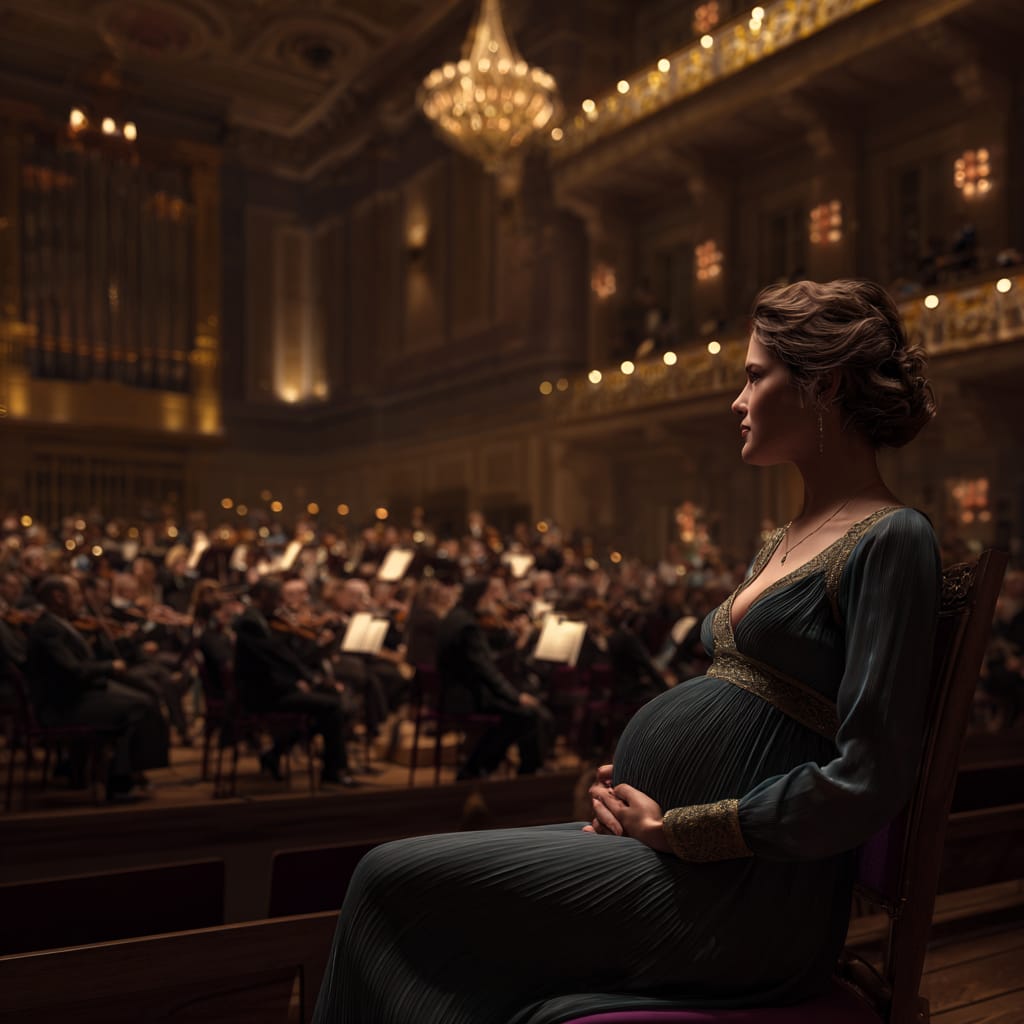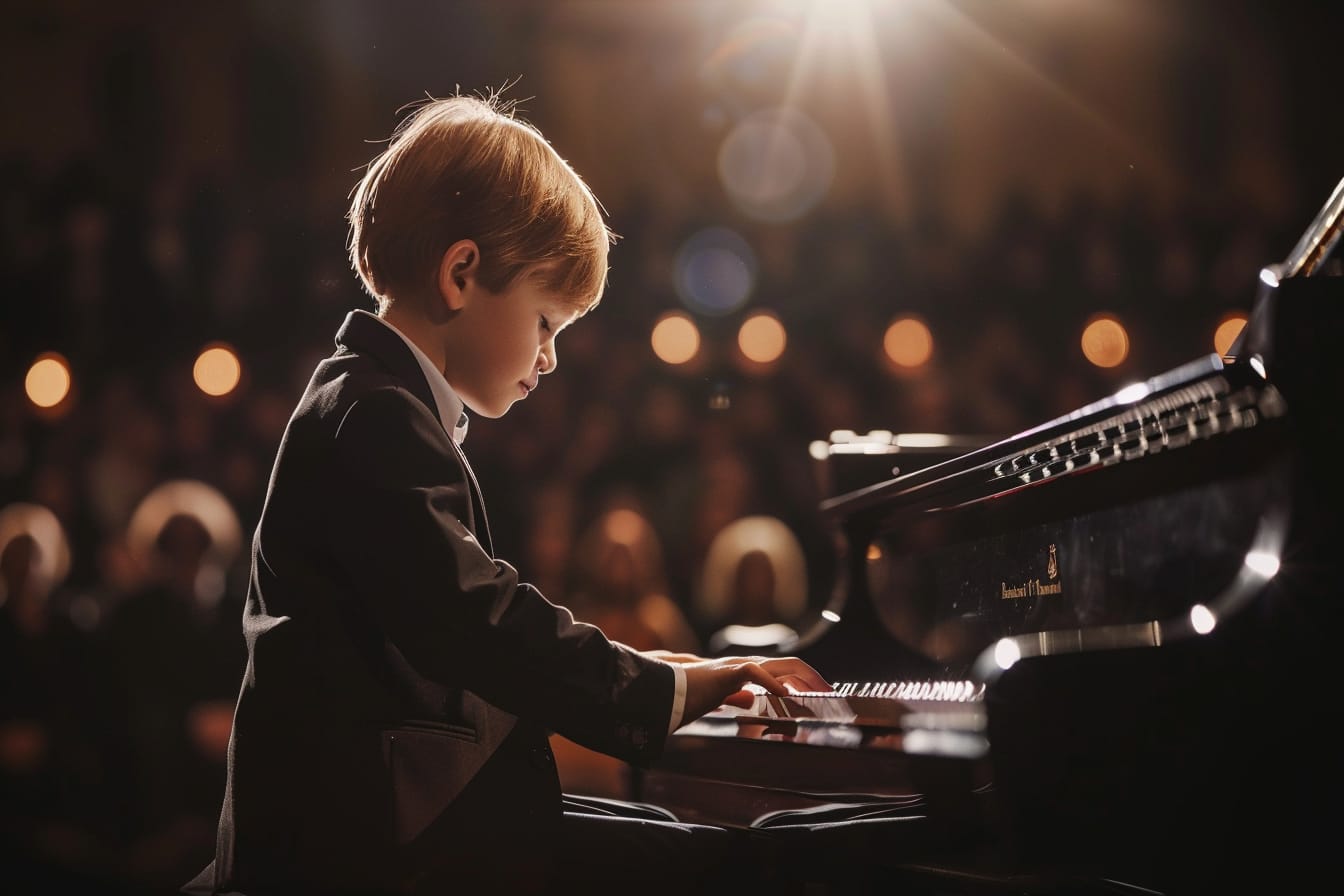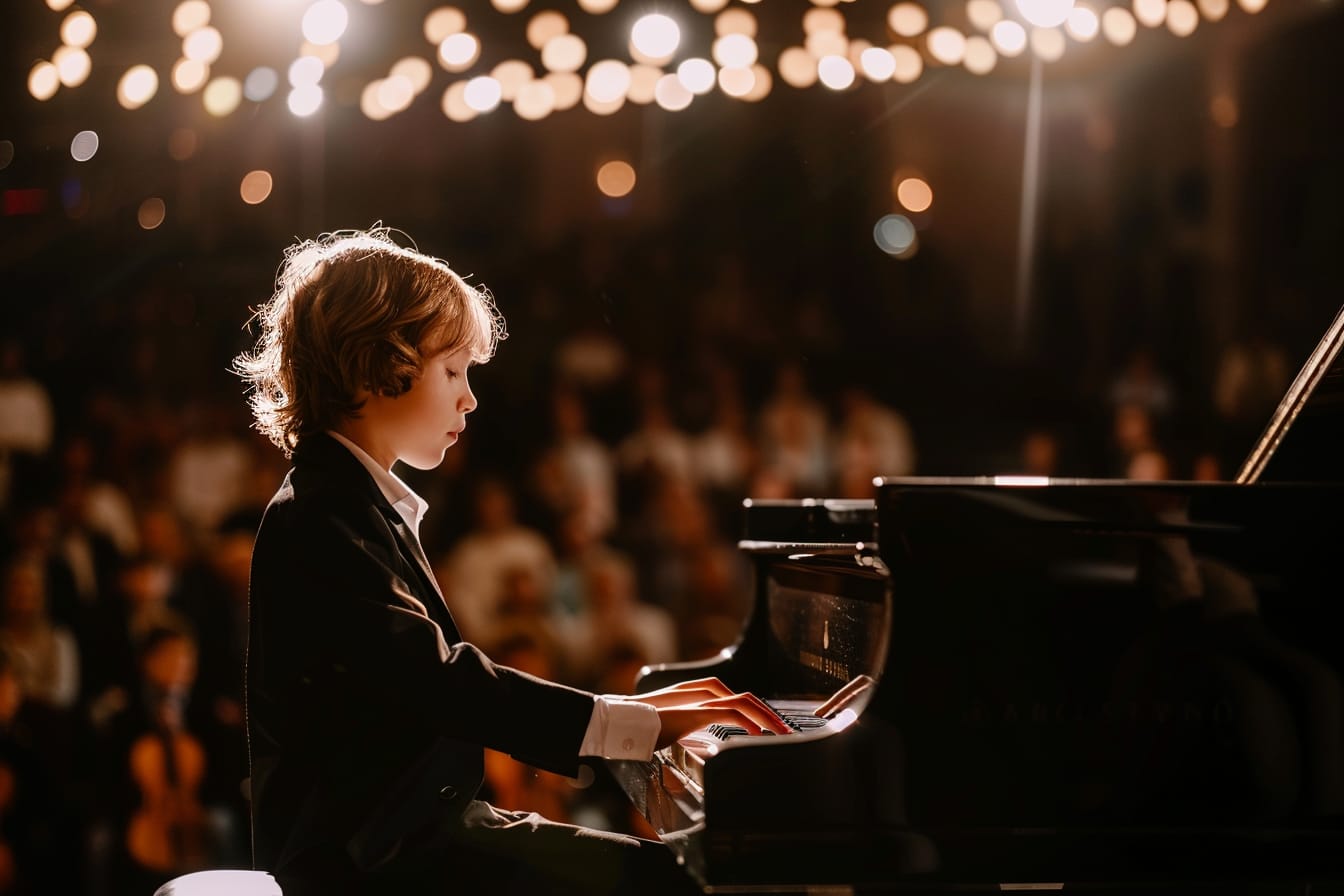
The lights dim. The room quiets. Somewhere backstage or in a waiting chair, a small pair of hands adjusts their grip on an instrument. A breath is taken. A moment begins.
For many children, their first public music performance is a mix of excitement, nervousness, and magic. Whether it’s a school recital, a local festival, or a studio concert, that first step on stage can shape their musical journey for years to come. And behind every brave young performer is a support system quietly holding everything together—especially in the form of parents and teachers.
Normalize the Stage Early
Performance anxiety is real—but it often stems from the unknown. The more familiar performing feels, the less scary it becomes. Start small: ask your child to play for the family after dinner. Then perhaps for a neighbor, or at a casual open mic. Treat each one like a celebration, not a test.
Practice the Performance (Not Just the Piece)
It’s not enough to know the notes. Children benefit from practicing what it will feel like to perform. Try this:
- Have them walk on, bow, and sit as if on stage.
- Set a pretend audience (teddy bears work wonders).
- Rehearse how they’ll handle mistakes (keep going, don’t restart).
This builds muscle memory for confidence, not just for sound.
Manage Expectations Gently
Tell them what to expect:
- People might cough, phones might ring.
- Sometimes your fingers feel colder on stage.
- That "butterfly" feeling is normal—and it means you're awake and ready.
Reframe nerves as energy. Everyone feels them—even professionals.
Focus on Expression, Not Perfection
Remind your child (and yourself) that this is not an exam. It’s a gift to the audience. Even small performances are chances to communicate something from the inside out. Let them feel proud for expressing—not just for playing everything “right.”
Afterward, Celebrate Like Crazy
No matter how it went. They showed up. They tried. That courage deserves celebration. Take a photo. Frame the program. Get ice cream. Plant a memory worth repeating.