A Parent’s Guide to Starting Music Education
Choosing the right musical instrument for your child is one of the most exciting and impactful decisions you can make. The right choice can ignite a lifelong passion for music, build confidence, and enhance cognitive development. But for many parents, the question remains: How do I know which instrument fits my child best?
This guide combines expert advice, scientific insights, and practical steps to help you choose wisely—and shows why enrolling your child in a music school is the best way to ensure success.
1. Observe Your Child’s Natural Interests
Every child has a unique temperament, learning style, and set of preferences. Before selecting an instrument:
- Watch for spontaneous musical behavior: Does your child tap rhythms on tables, hum melodies, or pretend to strum a guitar?
- Notice their vocal tendencies: Singing often? Enjoying melodies? This may point toward voice, piano, or melodic instruments.
- Look at movement and energy: Energetic children may enjoy drums or brass instruments, while quieter, detail-oriented kids might prefer violin or flute.
Expert Insight:
Dr. L. Custodero from Columbia University emphasizes that children naturally gravitate toward sound experiences that align with their cognitive and motor abilities. Observing this play behavior offers the first clue to choosing an instrument.
2. Consider Age and Physical Development
Different instruments have age and size considerations:
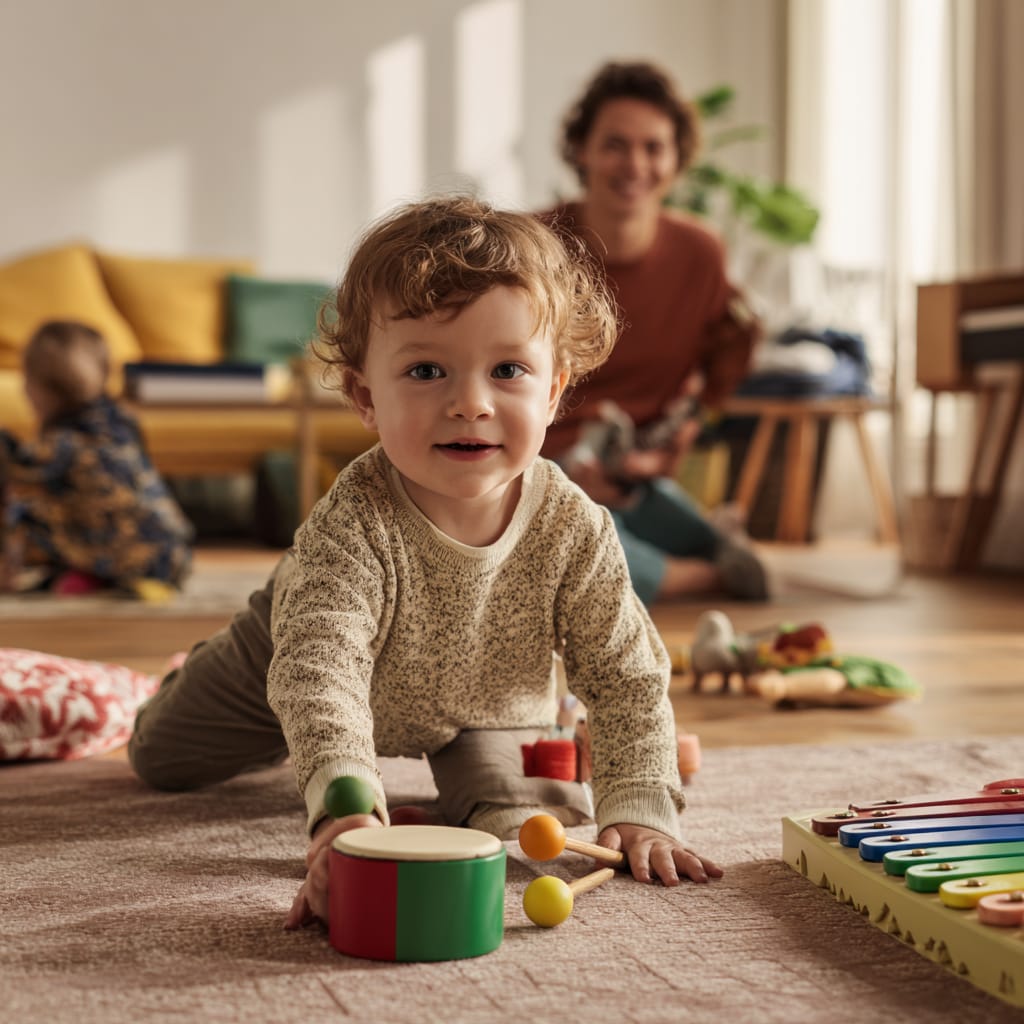
- Ages 3–5: Best for simple, introductory instruments like piano, violin (with small sizes), ukulele, or percussion.
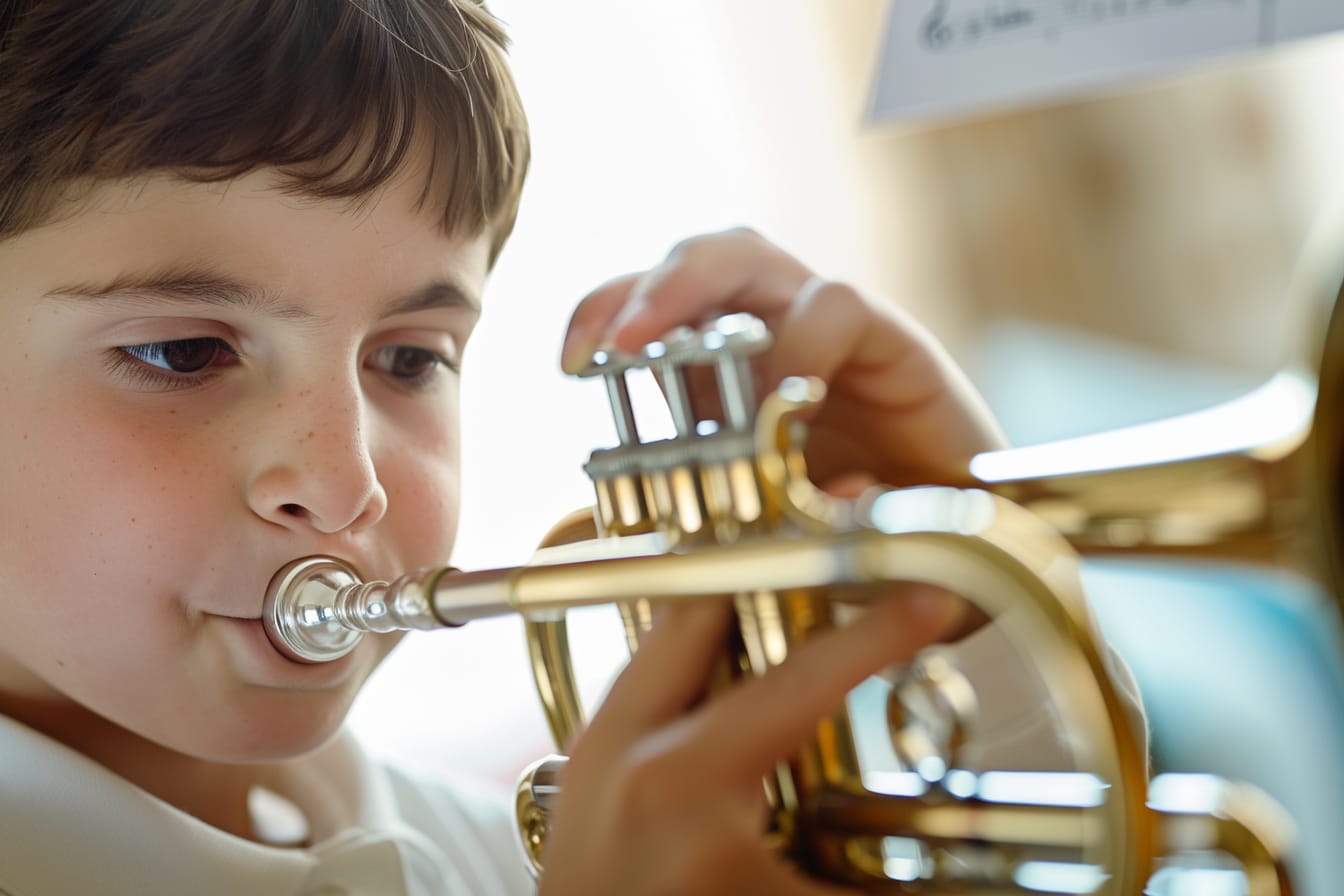
- Ages 6–9: Children can handle most beginner instruments, including guitar, flute, clarinet, or trumpet.
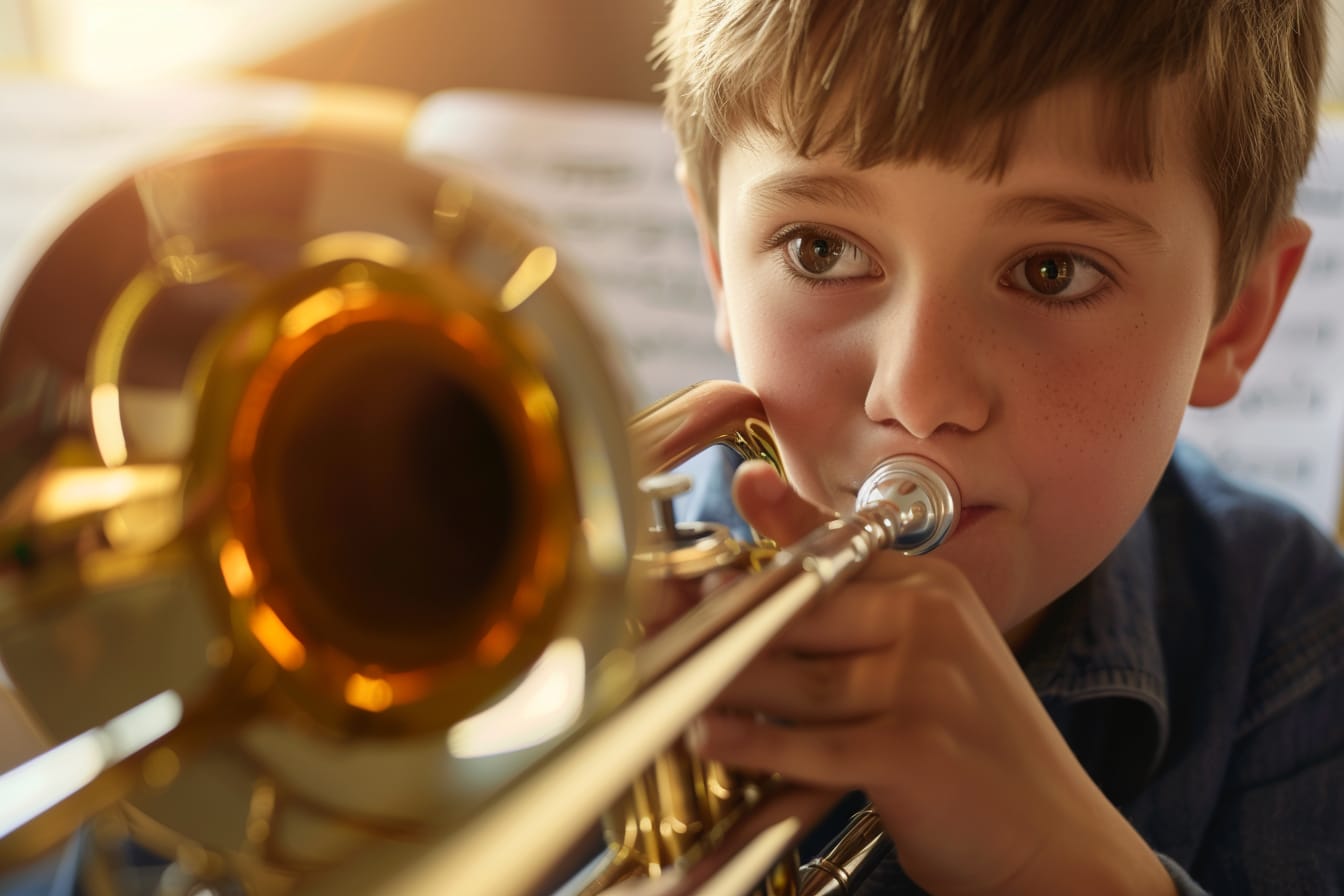
- Pre-teens and older: Larger instruments like cello, saxophone, or trombone become suitable as strength and lung capacity increase.
Why Size Matters:
An instrument too large or heavy can lead to frustration and poor technique. Music schools often provide appropriately sized violins or rental programs for growing children.
3. Match Instrument to Personality
- Social and outgoing kids: Often enjoy ensemble instruments like drums, trumpet, or saxophone.
- Focused and patient kids: Violin, cello, or piano may suit them due to their need for precision.
- Expressive and creative kids: Voice, guitar, or keyboard can encourage songwriting and improvisation.
Psychological Studies:
Research published in Psychology of Music shows that personality traits can predict musical preferences and perseverance in practice. A fitting instrument keeps motivation high and learning enjoyable.
4. Evaluate Sensory Preferences
Some children are sensitive to loud sounds or tactile feedback:
- If sound sensitivity exists: Start with softer instruments like piano, harp, or acoustic guitar.
- If they enjoy strong vibrations: Drums, cello, or brass may be appealing.
Music teachers at professional schools assess these sensitivities through trial lessons, preventing negative early experiences.
5. Try Multiple Instruments Before Deciding
One of the best ways to choose is through exploration:
- Attend instrument discovery days at music schools.
- Let your child try piano, violin, flute, drums, etc., during short sessions.
- Observe where they show excitement and natural coordination.
Many music schools offer “intro to music” programs where children rotate between instruments before selecting one for regular lessons.
6. Think Long-Term
Consider practicality and opportunities:
- Is the instrument commonly available in schools or ensembles?
- Will it be easy to transport as your child grows?
- Does your child have role models or favorite songs featuring that instrument?
Piano and guitar offer versatile foundations, while violin or flute often open doors to orchestras and advanced music programs.
7. Rely on Professional Guidance
A music school provides expert evaluation to ensure the instrument matches:
- Physical fit: Teachers measure hand size, arm length, and posture.
- Learning style: Structured versus improvisational teaching approaches.
- Musical goals: Classical training, modern band, or solo performance paths.
Why It Matters:
Self-selecting an instrument without guidance can lead to mismatched difficulty, physical strain, and discouragement. Professionals help avoid this and ensure smooth progress.
8. The Role of a Music School in Finding the Perfect Fit
Enrolling in a music school early on offers:
- Access to multiple instruments: Before committing, your child can explore various options.
- Qualified instructors: Skilled teachers can quickly identify natural aptitude and guide selection.
- Progressive curriculum: Tailored lessons to build confidence and skill at the right pace.
- Community and motivation: Seeing peers play different instruments inspires exploration and collaboration.
A music school isn’t just about lessons—it’s about discovering musical identity in a structured, supportive environment.
9. Benefits Beyond Music
No matter which instrument your child chooses, the process itself:
- Enhances brain development (Harvard studies show music training improves executive function).
- Boosts emotional intelligence and communication skills.
- Teaches discipline, patience, and problem-solving.
- Creates a lifelong appreciation of art and culture.
Conclusion: A Journey Worth Starting
Choosing a musical instrument for your child isn’t just about sound—it’s about finding a tool for expression, growth, and confidence. The journey is unique for every child, and exploration is part of the joy.
By observing your child’s interests, considering their age and personality, and seeking guidance from a professional music school, you’ll set them on a path that nurtures not only musical skill but a well-rounded, thriving individual.
Don’t wait for “the perfect age” or “natural talent.” The best time to begin discovering music is now. Visit a local music school, let your child explore different instruments, and watch as they find their voice in music—and in life.