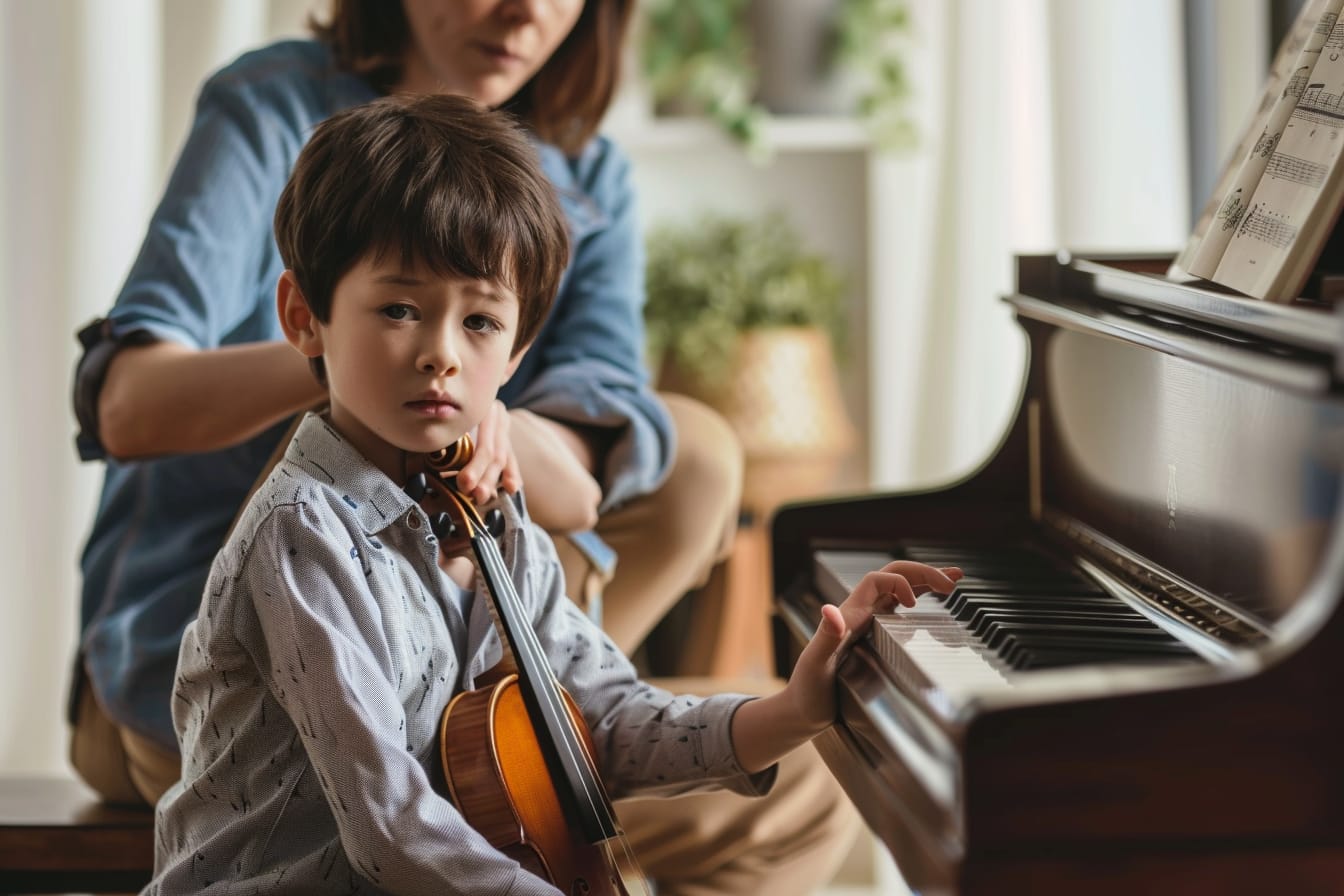
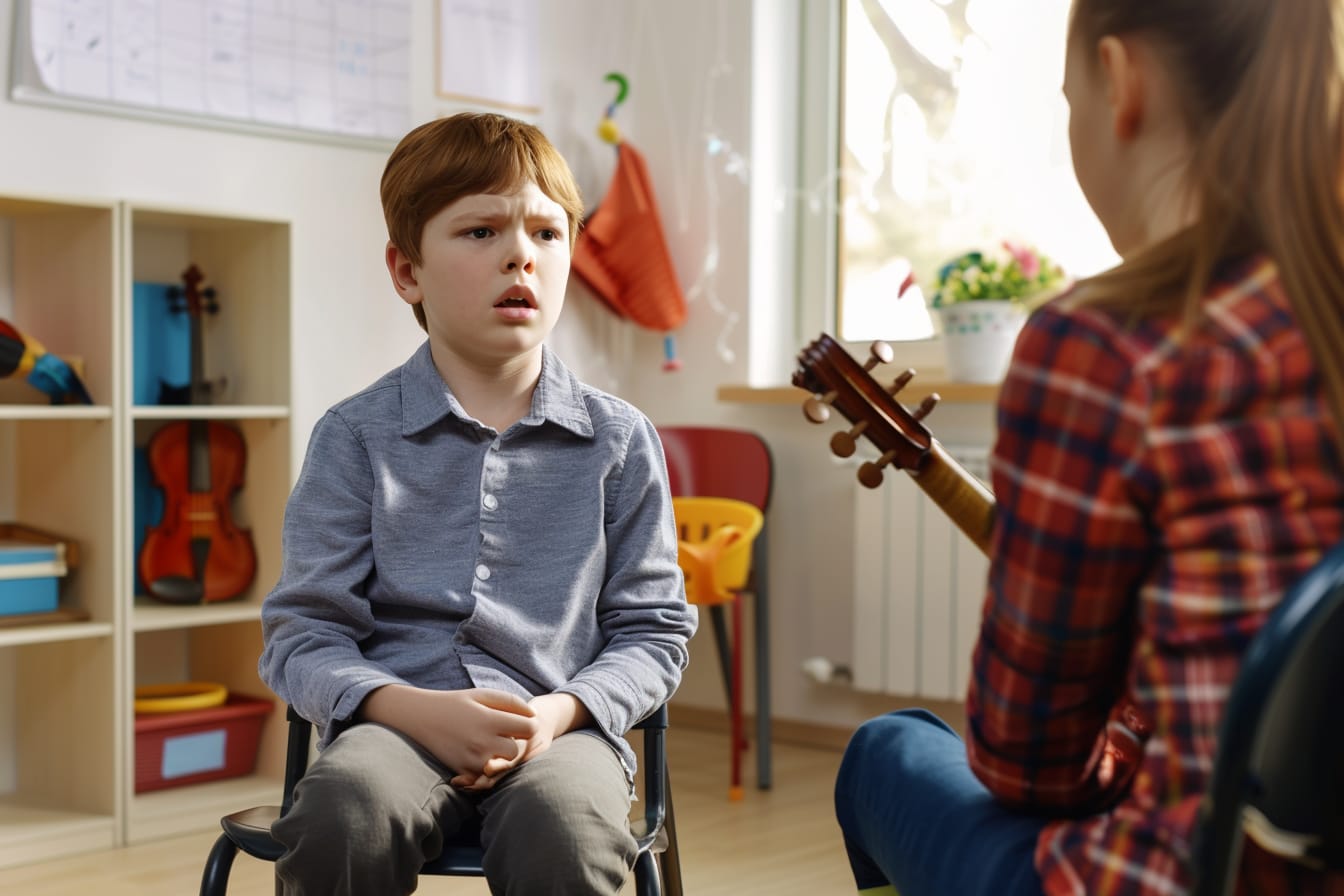
For many music students, the thought of daily practice brings focus, excitement, and joy. But for others—especially those dealing with anxiety—it can quietly stir tension, dread, or a fear of failure. These students aren’t lazy or disinterested. Their nervous systems are simply overwhelmed by the pressure that can build around something they care deeply about.
So how do we guide anxious learners into a healthy, low-stress relationship with practice?
By creating a routine that doesn’t just teach discipline—it nurtures calm.
1. Start With Ritual, Not Rehearsal
Anxious students often need help transitioning into a state of focus. Don’t rush them to the instrument. Instead, begin with a consistent, predictable pre-practice ritual.
It could be as simple as:
- Washing hands and taking three deep breaths
- Lighting a small candle or turning on a favorite lamp
- Listening to a calming track for 60 seconds
- Gently stretching fingers and shoulders
These rituals tell the body, “You’re safe. It’s time to begin.” It grounds them—and signals that music is a peaceful place.
2. Reframe “Practice” as “Exploration”
For anxious students, even the word “practice” can sound heavy. Replace it with gentler language: exploring, playing, trying something new. Instead of expecting mastery, invite curiosity.
Rather than starting with difficult drills, allow them to:
- Play a favorite passage first
- Improvise something silly
- Tap out rhythms with no goal
- Choose the first activity themselves
This sets a tone of agency instead of obligation.
3. Keep Sessions Short and Sweet (At First)
The anxious brain tires quickly—especially under pressure. Start with 5 to 10 minutes, especially for younger children or beginners. Let them end on a high note, feeling successful.
Consistency is far more important than duration. A child who practices 10 relaxed minutes a day will progress more than one who avoids 30-minute sessions due to stress.
4. Set Tiny, Achievable Goals
Don’t say “Practice this piece for 20 minutes.”Say: “Let’s see if we can play this bar three times without stopping.”
The smaller the goal, the less intimidating it feels. Break big pieces into tiny wins—one line, one tricky fingering, one dynamic contrast.
And always celebrate completion. Anxiety often makes students dismiss their achievements. Acknowledge every one.
5. Make It Okay to Walk Away
Sometimes a student has a hard day. If frustration builds and anxiety spikes, let them know it’s okay to stop—and try again tomorrow. Teach that music is a lifelong relationship, not a test to pass every afternoon.
Letting go of a bad session without shame is just as valuable as a successful one.
6. Incorporate Mindfulness Into the Music
Music is deeply connected to mindfulness. Turn that into a strength. Between practice tasks, guide the student to:
- Take one slow, deep breath
- Close their eyes and listen to the resonance of the last note
- Focus on the feeling of the bow, keys, or strings
- Say one thing they liked about what they just played
This simple act brings them back to the present, away from spiraling thoughts.
7. Build an Emotionally Safe Practice Space
If possible, dedicate a physical corner of the home to practice. Make it cozy, inviting, and free from clutter or distractions.
And just as importantly—keep it emotionally safe:
- No harsh corrections
- No performance demands
- No comparisons to others
This should be a space where mistakes are welcomed, not feared. Where music is felt, not judged.
8. Teach Reflection Over Evaluation
Instead of asking:
“Did you play it right?”
Ask:
“How did that feel?”“What did you notice about your sound today?”“Is there something you'd like to try differently?”
These questions gently shift students from perfectionism to self-awareness—an essential tool for both musicianship and anxiety management.
A Routine That Builds Resilience
In time, this kind of calming routine doesn’t just reduce anxiety during practice. It becomes a foundation of emotional regulation, discipline, and self-trust that spreads into other areas of life.
We don’t just want our students to get better at music. We want them to feel better because of music.
When their practice becomes a place of refuge—not stress—that’s when the magic begins.