A Practical Guide by Age and Personality
Choosing a first musical instrument for your child can feel like picking a door to another world. Behind each one lies a different landscape—sound, emotion, movement, even mindset. But how do you know which one is right? The answer begins with understanding your child—not just their age or hand size, but how they think, feel, and play.
Whether you're planning to enroll your child in lessons or simply encouraging musical exploration at home, this guide will help you match instrument to individual, and support a joyful beginning.
Ages 3–5: The Explorers
Best Instruments:
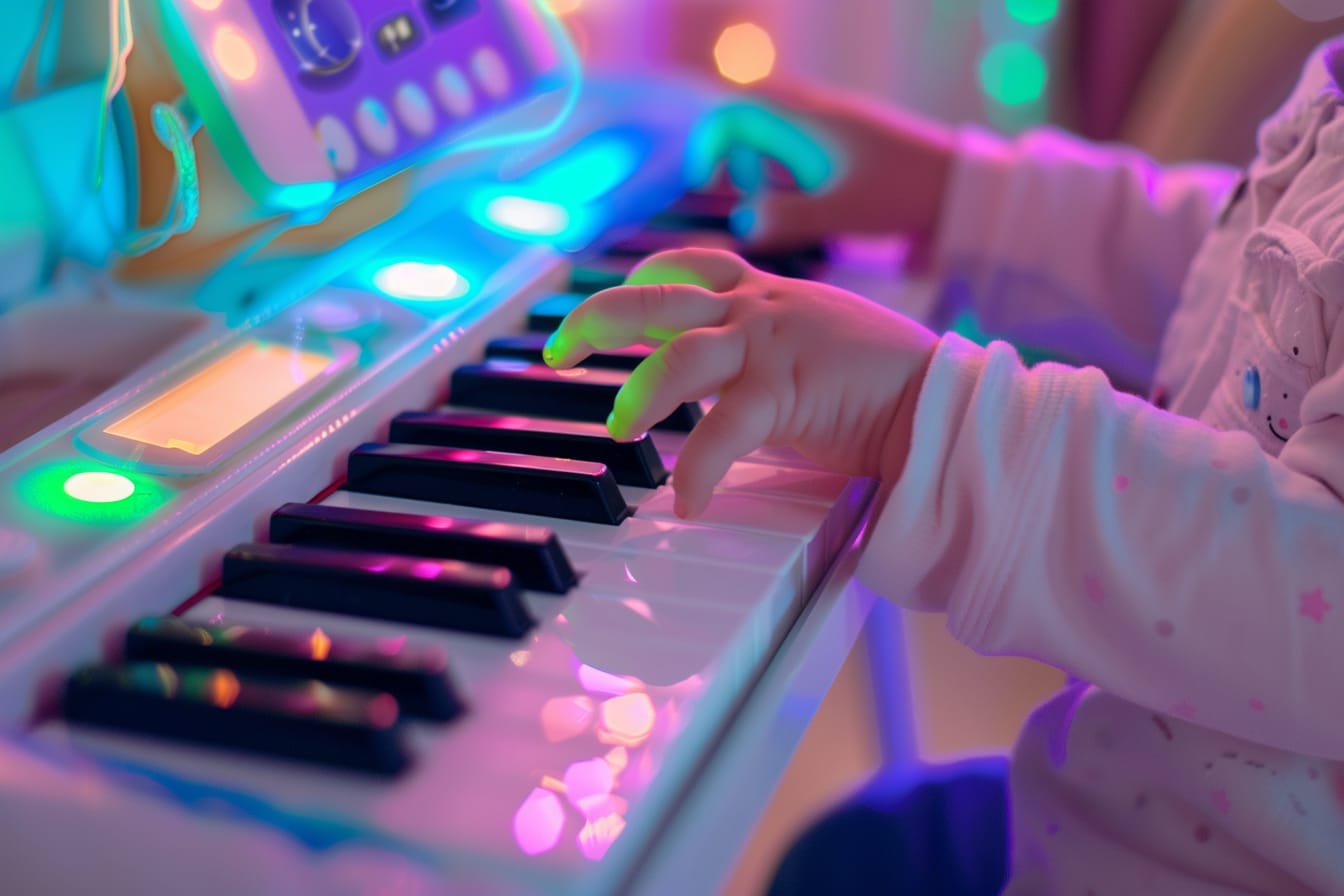
Piano (keyboard)
Violin (1/32 to 1/8 size)
Glockenspiel or hand percussion (bells, shakers, drums)
Ukulele (with assistance)
Why these work: At this age, children are just beginning to develop coordination, rhythm, and focus. Instruments that provide instant sound (like a piano or xylophone) build confidence. Mini violins foster ear training and posture, especially in Suzuki-style methods.
Personality tips:
Energetic or physical children love drumming and movement-based musical play.
Detail-oriented or calm children often enjoy the structure of violin or piano.
Ages 6–8: The Builders
Best Instruments:
Piano
Violin or cello (child sizes)
Recorder or fife
Classical guitar (½ or ¾ size)
Why these work: Attention span is improving, and hands are growing stronger. This is the ideal window to develop habits of practice and technique. The recorder introduces breath control and pitch accuracy. Piano and stringed instruments develop musical literacy and ear training simultaneously.
Personality tips:
Visually focused learners thrive on piano, where notes are laid out logically.
Tactile learners enjoy strings or guitar—where fingers shape the sound physically.
Ages 9–12: The Thinkers
Best Instruments:
Guitar (acoustic or classical)
Woodwinds (flute, clarinet, saxophone)
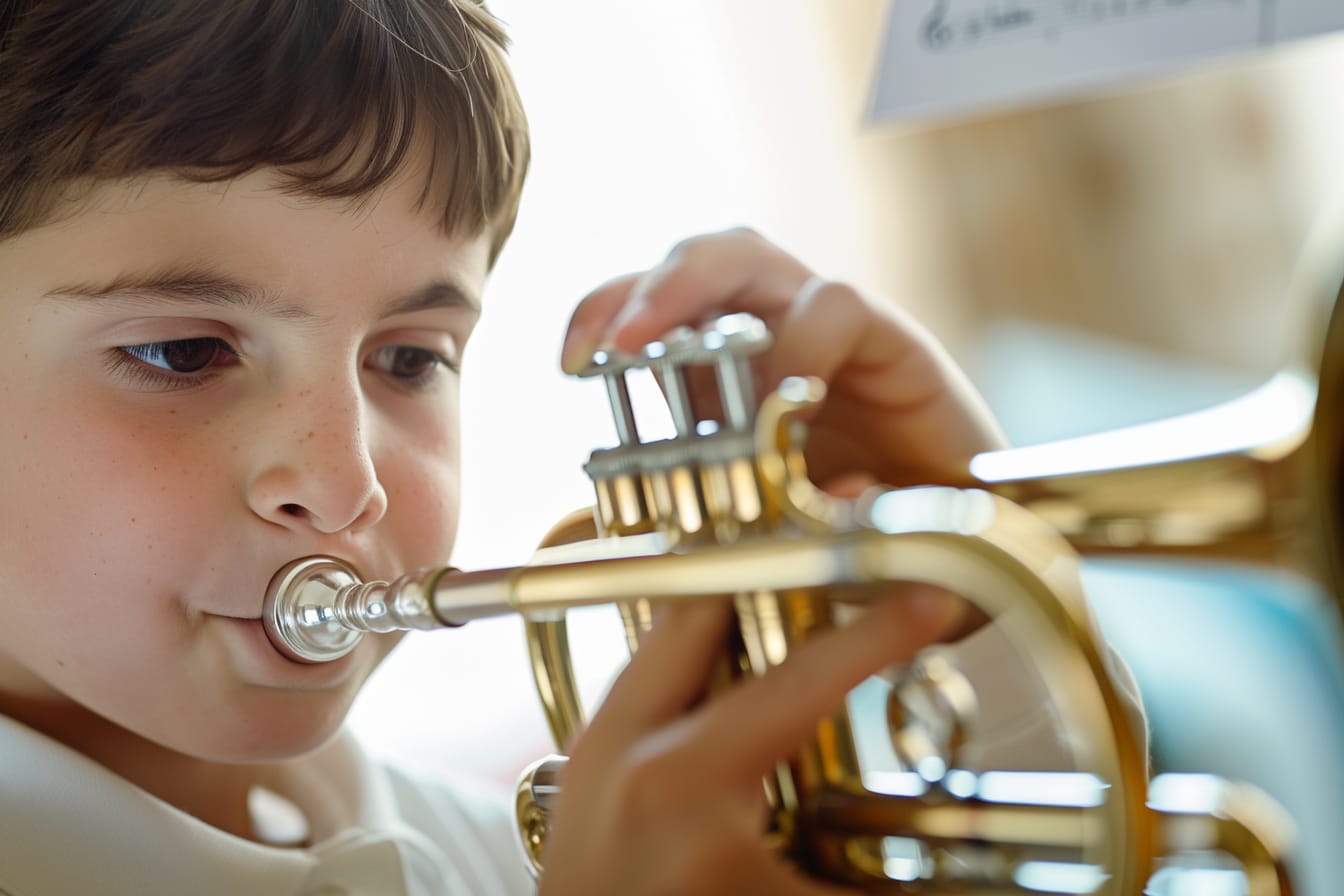
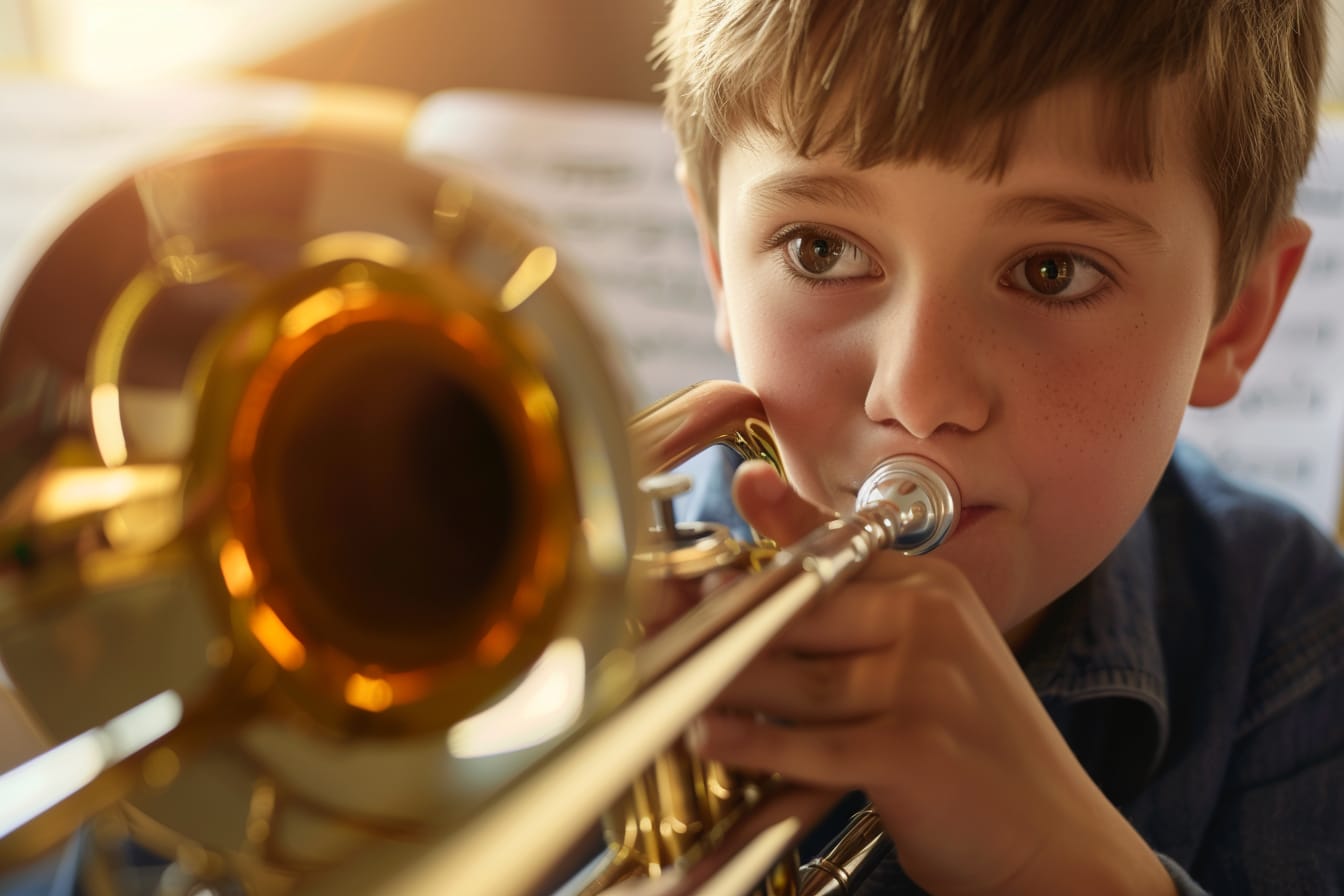
Brass (trumpet, trombone)
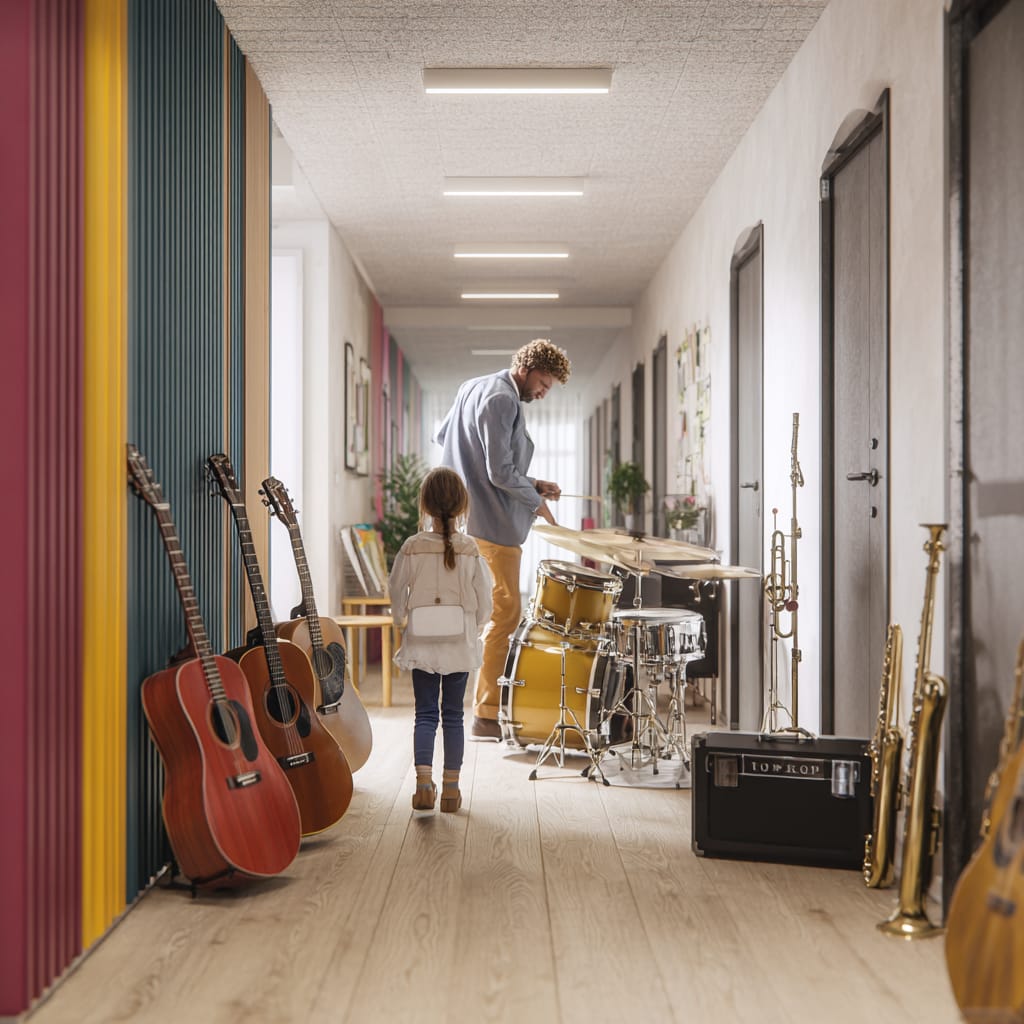
Drum kit or percussion ensemble
Why these work: Lung capacity increases, adult teeth are usually in, and cognitive skills support multitasking. It’s also an age where music becomes more social—kids may join bands, orchestras, or ensembles. Guitar opens the door to pop and rock; band instruments develop ensemble skills.
Personality tips:
Independent or introspective children may lean toward piano or guitar.
Social and expressive children often love wind and brass instruments, which are louder, dynamic, and collaborative.
Teens (13+): The Identity Seekers
Best Instruments:
Electric guitar or bass
Digital piano or synthesizer
Vocals (with basic technique training)
DAWs (digital audio workstations) for composition and beat-making
Why these work: Teenagers connect with music on an emotional level. They want to express themselves—and often write songs, form bands, or produce music digitally. This is a great age for experimentation. Even late beginners can thrive with the right motivation.
Personality tips:
Creative or expressive teens may prefer composing, singing, or using technology.
Technical-minded teens often enjoy rhythm-based instruments, production, or electric bass.
Bonus: Match the Instrument to Your Child’s Learning Style
Auditory learners love to copy melodies by ear → Try violin, voice, or ukulele
Visual learners love seeing patterns → Piano, xylophone, or guitar
Kinesthetic learners need to move and feel → Drums, cello, or brass instruments
Final Advice for Parents
Let your child try a few instruments if possible before committing.🎵 Look for genuine enthusiasm—not just what seems practical.🎵 Don’t force long-term goals early—spark the love first.🎵 And remember: the teacher matters just as much as the instrument.
If the first instrument doesn’t “click,” it’s not a failure—it’s information. Just like learning to walk or talk, music unfolds in stages. The best instrument is the one that feels like a friend.