
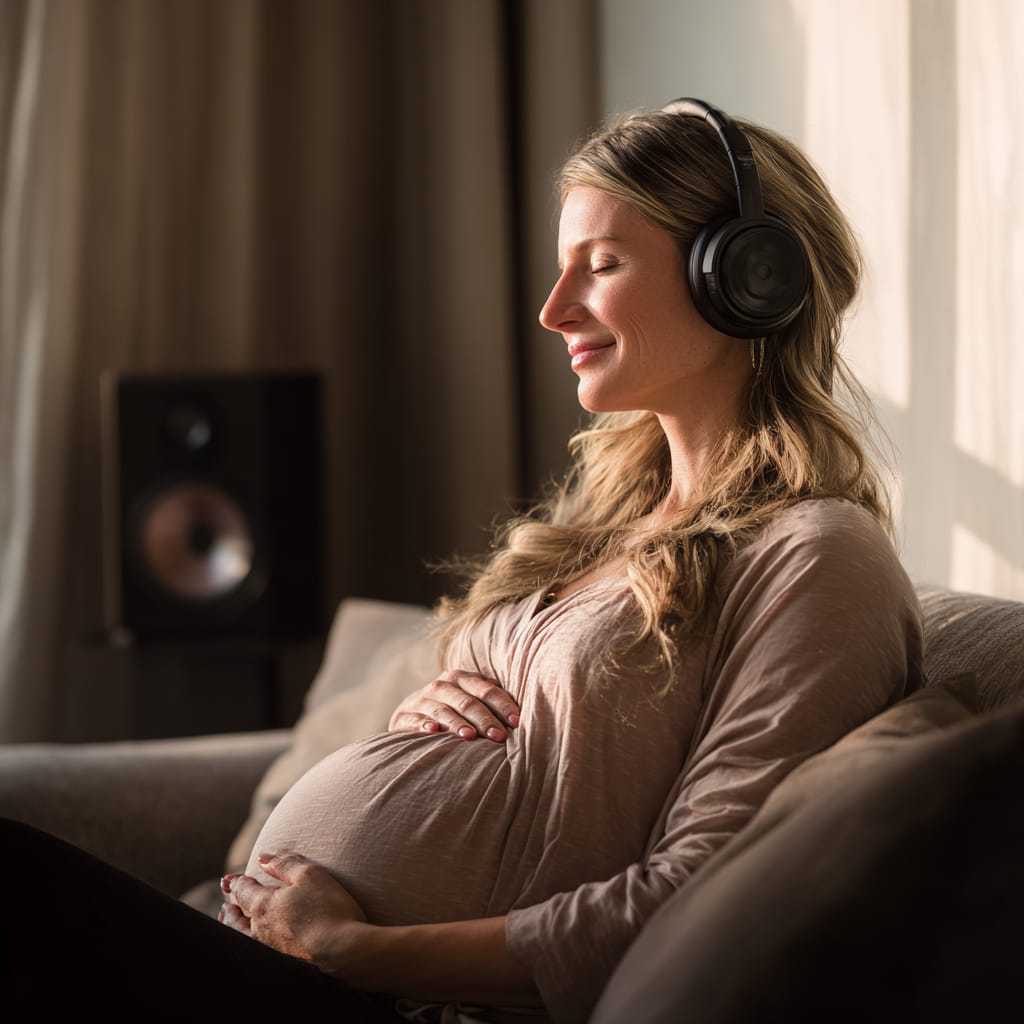
A Case Study on Harmony Before Birth
When Anna, a 32-year-old expectant mother, first walked into Dr. Lucia Romano’s prenatal clinic in Florence, she carried with her the usual mix of excitement and anxiety. Like many first-time mothers, she worried about her baby’s development and her own ability to manage stress during pregnancy. What Anna didn’t know was that her nine-month journey would soon intertwine with music in a way that would change not just her pregnancy but her entire outlook on motherhood.
The Beginning: Anxieties and Sleepless Nights
Anna’s pregnancy started off normally, but as the weeks passed, she struggled with insomnia and bouts of anxiety. She felt disconnected from her baby and overwhelmed by everyday stress. During one consultation, Dr. Romano, a leading specialist in prenatal well-being, suggested an unusual approach: music therapy.
Instead of relying solely on traditional relaxation techniques, Dr. Romano recommended that Anna listen to specific types of music designed to soothe both mother and baby. The idea wasn’t just to create a calm atmosphere but to actively stimulate neurological development in the womb.
The Musical Plan: More Than Just Background Noise
Anna embarked on a structured, evidence-based music program. It included:
- Daily Sessions: 30 minutes of classical and soft instrumental music every morning.
- Interactive Singing: Humming simple lullabies while gently massaging her belly.
- Bonding through Rhythm: Playing rhythmic music and softly tapping in time, helping the baby become familiar with patterns.
The playlist was carefully curated to emphasize melody and harmony over complex beats, creating a calming and safe soundscape for fetal listening.
Scientific Backbone: Why It Works
Studies have shown that by the 20th week of pregnancy, a baby’s auditory system is already functioning. By 25 weeks, fetuses can respond to sounds and even distinguish their mother’s voice. Exposure to music during this time can:
- Enhance Neural Connections: Repeated melodic patterns stimulate brain regions responsible for auditory and cognitive development.
- Reduce Maternal Stress: Music lowers cortisol levels, which directly benefits fetal health.
- Improve Sleep and Bonding: Calming tunes help mothers relax, improving sleep cycles and emotional connection with the baby.
Dr. Romano explained it this way: “Music acts like a gentle whisper to the baby’s developing brain. It’s not just heard—it’s felt. This early stimulation sets the foundation for better memory, language skills, and emotional stability later in life.”
The Transformation: A Calmer Mother, a Responsive Baby
Within a month of starting the music sessions, Anna noticed profound changes:
- Her sleep improved dramatically.
- Anxiety levels dropped; she described feeling “wrapped in calm.”
- During ultrasound visits, her baby displayed increased movement during music sessions, almost as if dancing in rhythm.
By the third trimester, when Anna hummed her lullaby, her baby would respond with gentle kicks—a sign of recognition and connection.
The Birth and Beyond: Music Leaves Its Mark
When Anna’s daughter, Sofia, was born, midwives observed an unusually calm newborn. She cried less than other babies and quickly quieted down when hearing the same lullabies Anna sang during pregnancy.
Further into infancy, Sofia showed advanced auditory responses—turning toward sounds and mimicking rhythms earlier than average. Dr. Romano, who followed up post-birth, confirmed that these were strong indicators of early neurological benefits from prenatal music exposure.
From Patient to Advocate: Why Anna Now Studies Music
The transformation was so powerful that Anna decided to study music therapy after maternity leave. She joined a certification program, hoping to help other mothers experience the same benefits.
Anna reflects: “Music didn’t just help me cope; it made me feel deeply connected to my child before she was even born. If something so simple and beautiful can shape a life before birth, imagine what it can do afterward.”
Takeaway: An Investment in Future Harmony
Anna’s case illustrates that listening to music during pregnancy is far from a passive activity—it’s an active investment in both maternal well-being and child development.
- It fosters emotional bonding before birth.
- It supports cognitive and neurological growth.
- It creates lasting emotional connections that extend into infancy.
For expectant parents, music offers a scientifically backed, low-cost, and profoundly human way to nurture a child even before the first breath is taken.
Why You Should Study Music’s Role in Pregnancy
Whether you’re an expectant parent, a healthcare professional, or someone fascinated by human development, studying music and its prenatal impact opens doors to transformative possibilities. This field combines science, art, and emotional intelligence, offering skills that can change lives.
Anna’s story is proof: when we understand music’s power, we don’t just listen—we create harmony that resonates across generations.