A Guide for Parents and Adult Learners
Many parents dream of giving their child every musical opportunity: piano lessons, violin, guitar, even singing. Adults often share the same ambition, wanting to master multiple instruments. But how realistic is it to learn several instruments at the same time? When is it better to focus on one, and how soon can a second instrument be added? Let’s look at expert opinions, developmental science, and practical teaching experience.
1. The Foundation: Start with One Instrument
Most music educators recommend that a child begins with just one instrument, especially during the first years of music education.
- Focus: Learning an instrument involves developing posture, technique, musical literacy, rhythm, and coordination. Mastering these basics is easiest when concentrating on one instrument.
- Age Considerations: Children between ages 4–7 are developing motor skills and attention span. Handling multiple instruments early on can lead to confusion and slower progress.
- Example: A beginner pianist needs to understand scales, reading music, and hand independence—skills that already require dedicated weekly practice and lessons.
2. When to Add a Second Instrument
Adding a second instrument is typically recommended after 2–3 years of consistent training on the first. This timeline allows:
- Technical Stability: The child can already play simple pieces confidently.
- Musical Literacy: They can read rhythms and notes fluently, which transfers to other instruments.
- Practice Routine: They’ve built a habit of daily practice and time management.
Signs a Child Is Ready for a Second Instrument:
- Expresses genuine curiosity or excitement about another instrument.
- Handles current lessons with ease and maintains motivation.
- Teacher confirms readiness to diversify.
3. Choosing a Second Instrument
It’s best to choose an instrument that complements the first:
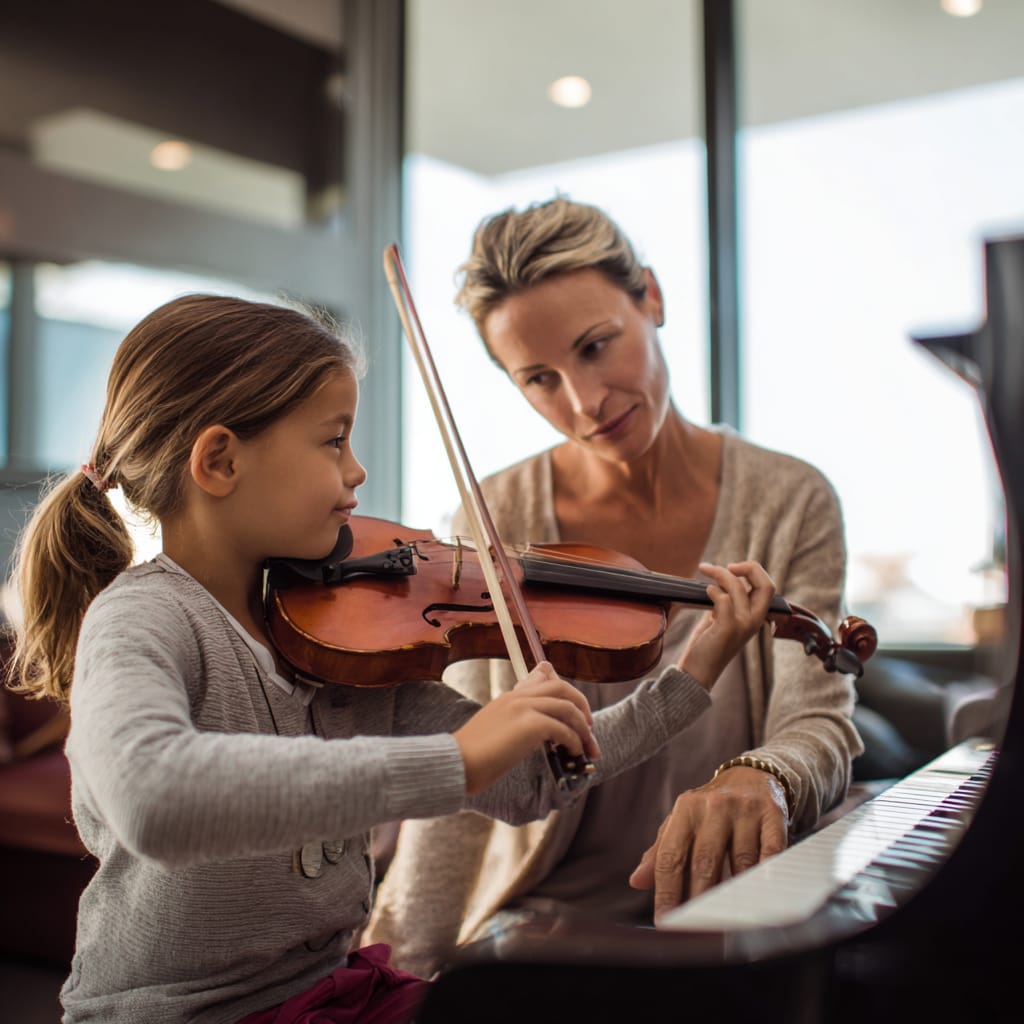
- Piano + Violin: Commonly paired for developing pitch and harmony understanding.
- Guitar + Singing: Great for rhythm and accompanying skills.
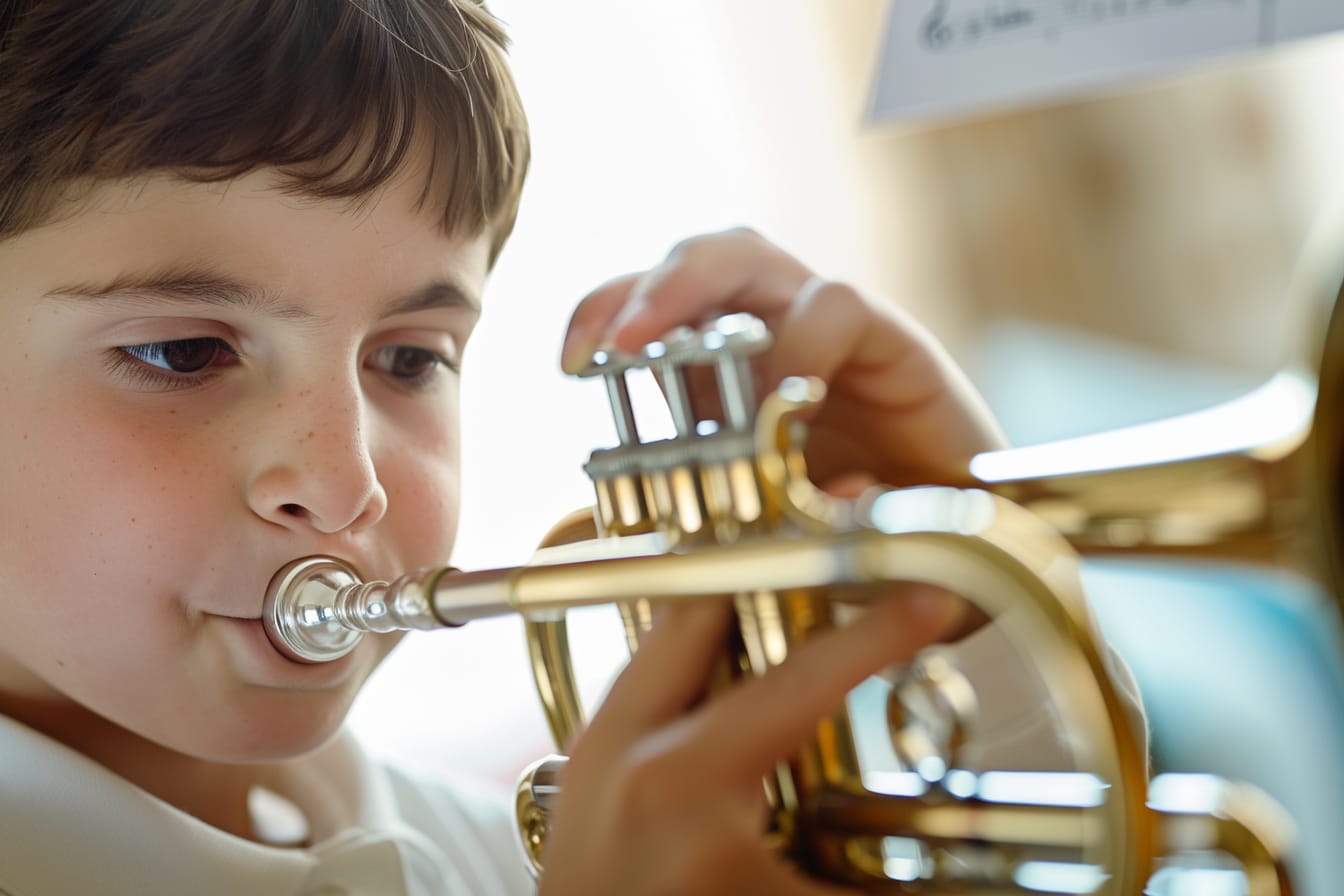
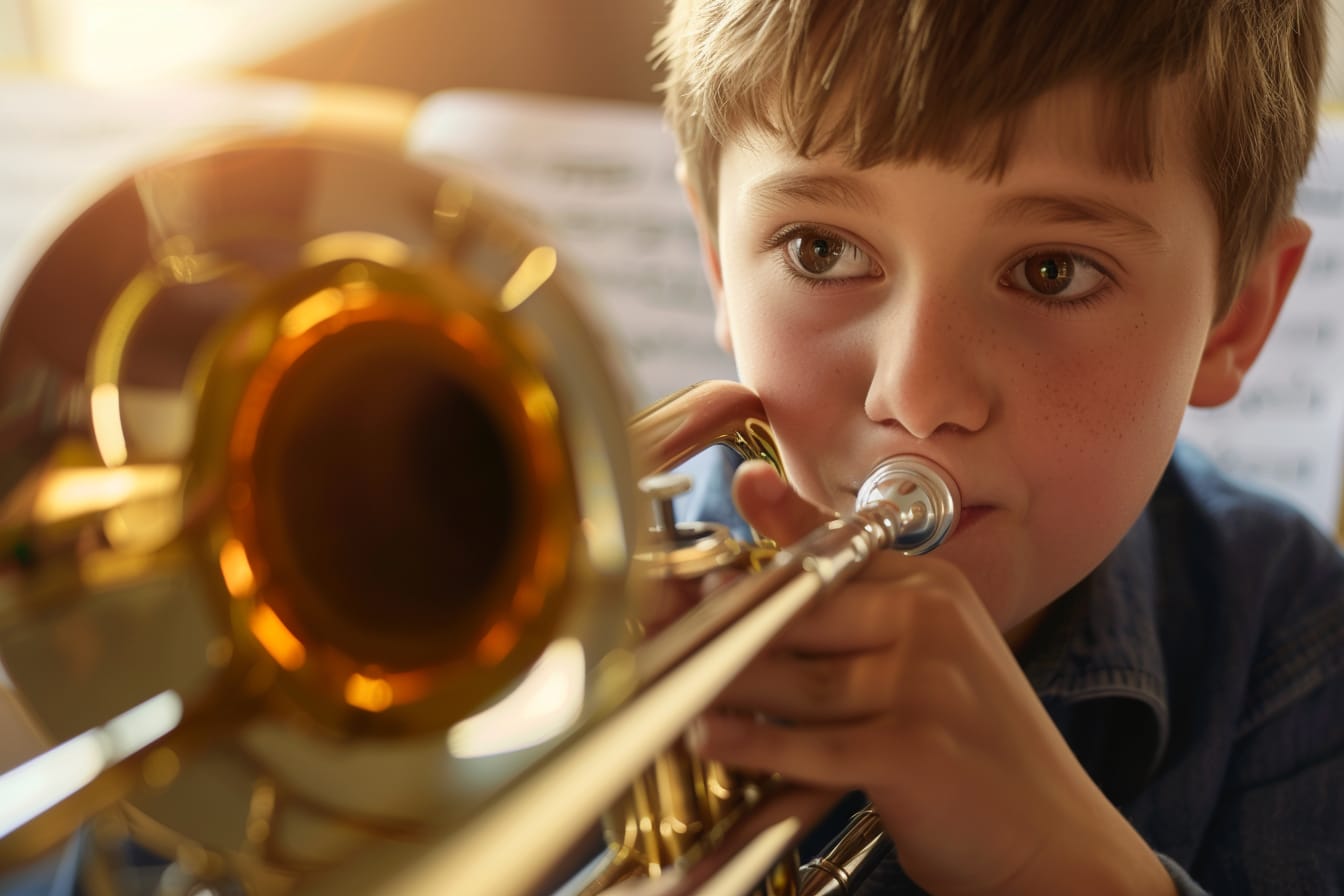
- Wind + Percussion: Builds coordination and ensemble flexibility.
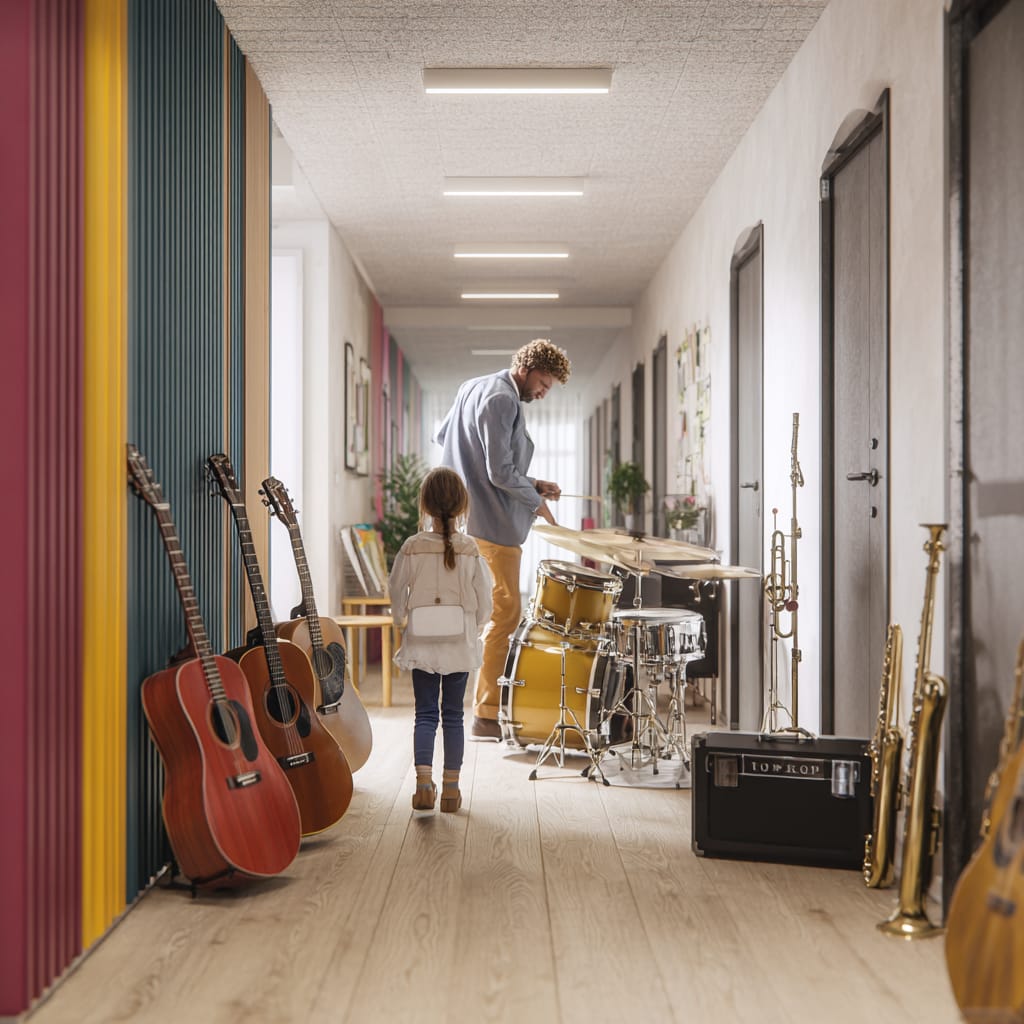
Music schools often offer combined programs, allowing a child to take one primary instrument plus a secondary one (e.g., piano as a foundation, flute as a secondary).
4. How Many Instruments at the Same Time?
For Children:
- Beginner: 1 instrument.
- Intermediate: 2 instruments (primary + secondary), with the primary receiving more practice time.
- Advanced Teens: Some talented students manage 3 instruments but typically have 5–7 years of experience and structured lessons.
For Adults:
- Adults can handle learning 2 instruments simultaneously if they can dedicate enough practice time (at least 30–60 minutes daily for each).
- Mastery of 3 or more instruments is possible over a lifetime but rarely learned all at once. Professional multi-instrumentalists usually master one first, then add others sequentially.
5. Benefits of Learning Multiple Instruments
- Transferable Skills: Reading music, rhythm, ear training, and theory carry over to new instruments.
- Cognitive Growth: Enhances multitasking, memory, and creativity.
- Ensemble Opportunities: Ability to switch roles in bands or orchestras.
Caution:
Learning too many at once can cause skill dilution, leading to slow progress and frustration.
6. Role of a Music School
A professional music school provides:
- Teacher Guidance: Instructors assess readiness for a second instrument.
- Structured Programs: Balanced lessons for multiple instruments without overwhelming the student.
- Practice Planning: Tailored schedules to ensure proper progress on each instrument.
- Instrument Tryouts: Opportunities to experiment before committing.
7. Realistic Expectations
- Children: Start with one instrument. Add a second only when confident on the first (usually after 2–3 years). Two instruments are optimal for most children.
- Adults: Can learn two instruments at once with sufficient time; adding more is possible sequentially over years.
- Professional Musicians: Many multi-instrumentalists master instruments one at a time and gradually build their skill set.
Conclusion: Quality Over Quantity
Whether for a child or an adult, learning music is a journey of depth, not speed. Starting with a single instrument builds a strong foundation. With time, skill, and passion, adding a second or even third instrument becomes natural and rewarding.
By enrolling in a music school, you ensure expert guidance, structured progression, and a supportive environment, helping your child—or yourself—become a confident, versatile musician without the overwhelm of doing too much too soon.