How Playing an Instrument Helps the Body Recover from Serious Illness
In times of serious illness—whether it’s cancer, chronic pain, or long-term recovery—medicine is only part of the healing process. Emotional strength, mental resilience, and the will to keep fighting are just as vital. Across centuries and cultures, one thing has remained constant: music’s extraordinary power to help us heal.
Music is more than just a background sound. It can be a lifeline—a source of strength, hope, and even measurable physical recovery. Playing music yourself, especially doing something you love and feel inspired by, can transform how the body and mind fight disease.
The Science of Music and Healing
Modern medicine has started to understand what ancient healers already knew: music directly affects the body’s healing processes.
- Reduces Stress Hormones: Playing music lowers cortisol levels, which can weaken the immune system when chronically elevated.
- Boosts Immunity: Studies from the University of Michigan show that playing or actively engaging with music increases immunoglobulin A, an antibody that strengthens immune defenses.
- Pain Management: Musical activity triggers endorphin release, the body’s natural painkillers, easing chronic discomfort during treatment.
- Improved Vital Signs: Research with hospitalized patients found that music can stabilize blood pressure, improve heart rate, and regulate breathing.
Music and Cancer Recovery
Facing cancer is physically and emotionally exhausting. Chemotherapy, radiation, and surgeries take a toll on the body and spirit. Yet many cancer patients report that learning or playing music gave them strength to endure treatment.
Case: Piano Lessons During Chemotherapy
- A 45-year-old patient began piano lessons during chemotherapy to “do something beautiful amid the pain.”
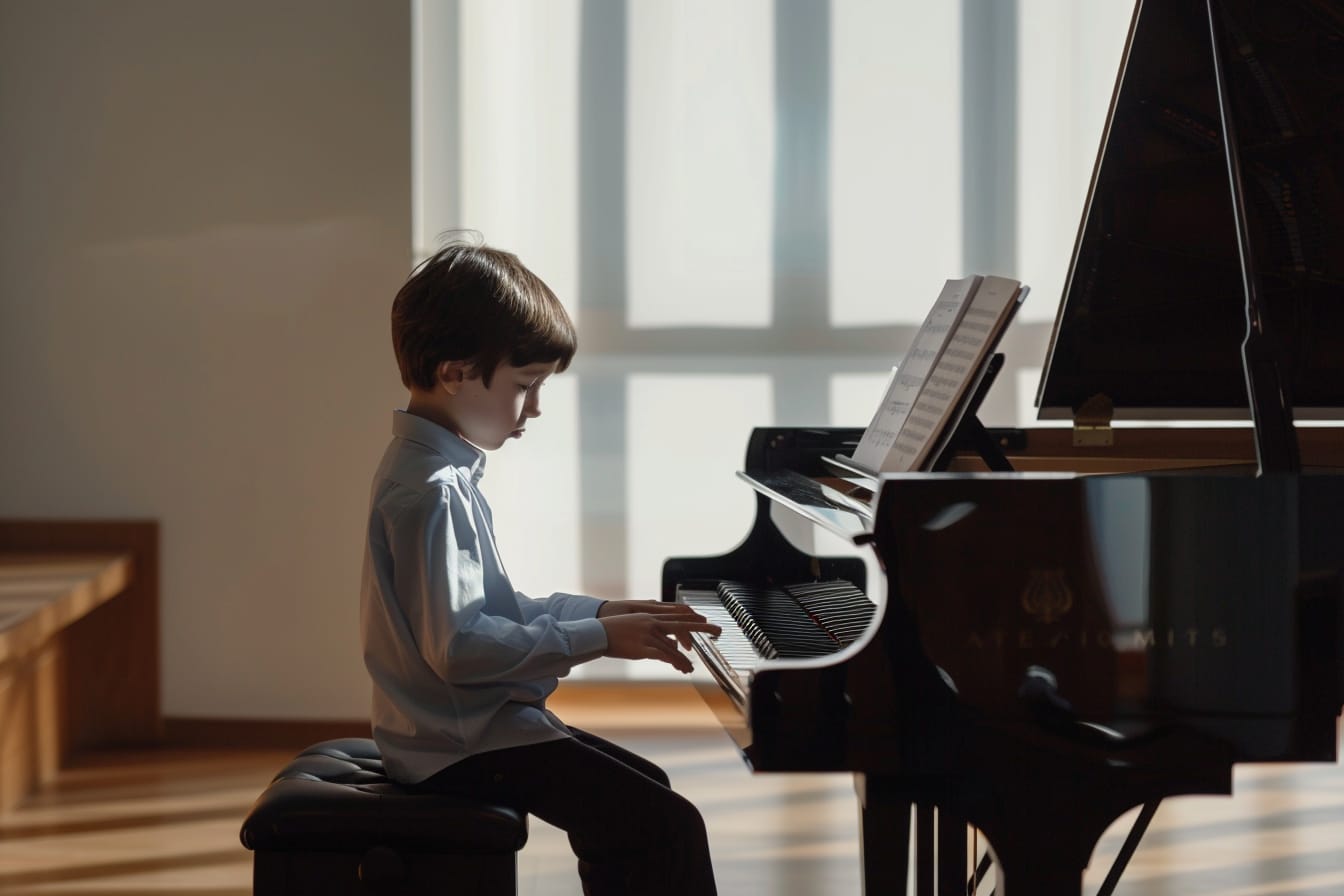
- Playing piano became a ritual, helping her regain finger dexterity and emotional balance.
- Hospital records noted lower anxiety levels and improved recovery periods after each session.
A study published in Cancer Nursing found that patients who participated in music activities during chemotherapy reported less nausea, less depression, and more optimism about survival compared to those who did not.
How Sound Affects a Sick Body
Music isn’t just heard—it’s felt physically:
- Vibrations: Instruments like cello, drums, and guitar create low-frequency vibrations that can ease muscle tension and promote relaxation.
- Rhythm: Steady rhythms help regulate heartbeats and breathing patterns, beneficial for patients with cardiovascular strain.
- Harmony: Soothing harmonic progressions activate the parasympathetic nervous system, which supports digestion, rest, and tissue repair.
- Neurological Healing: Music stimulates brain areas affected by illness or trauma, supporting neurological recovery (seen in stroke patients learning instruments).
Inspiration as Medicine
Doing something you love—especially when it involves creativity—has measurable effects on healing:
- Purpose and Motivation: Learning an instrument provides a goal that shifts focus away from illness toward personal growth.
- Emotional Resilience: Music allows patients to express fear, sadness, and hope safely, preventing emotional suppression that can delay recovery.
- Connection: Playing music connects patients with others—teachers, fellow students, family—building social support that strengthens mental health.
Real-Life Stories of Healing Through Music
- Drumming Away Fear: A 12-year-old recovering from leukemia joined a percussion class during hospital stays. The rhythmic sessions improved his mood, and doctors noted more stable white blood cell counts during treatment.
- Singing to Breathe: A lung cancer survivor took up singing exercises as part of rehab. Over months, vocal practice expanded lung capacity and aided breathing recovery post-surgery.
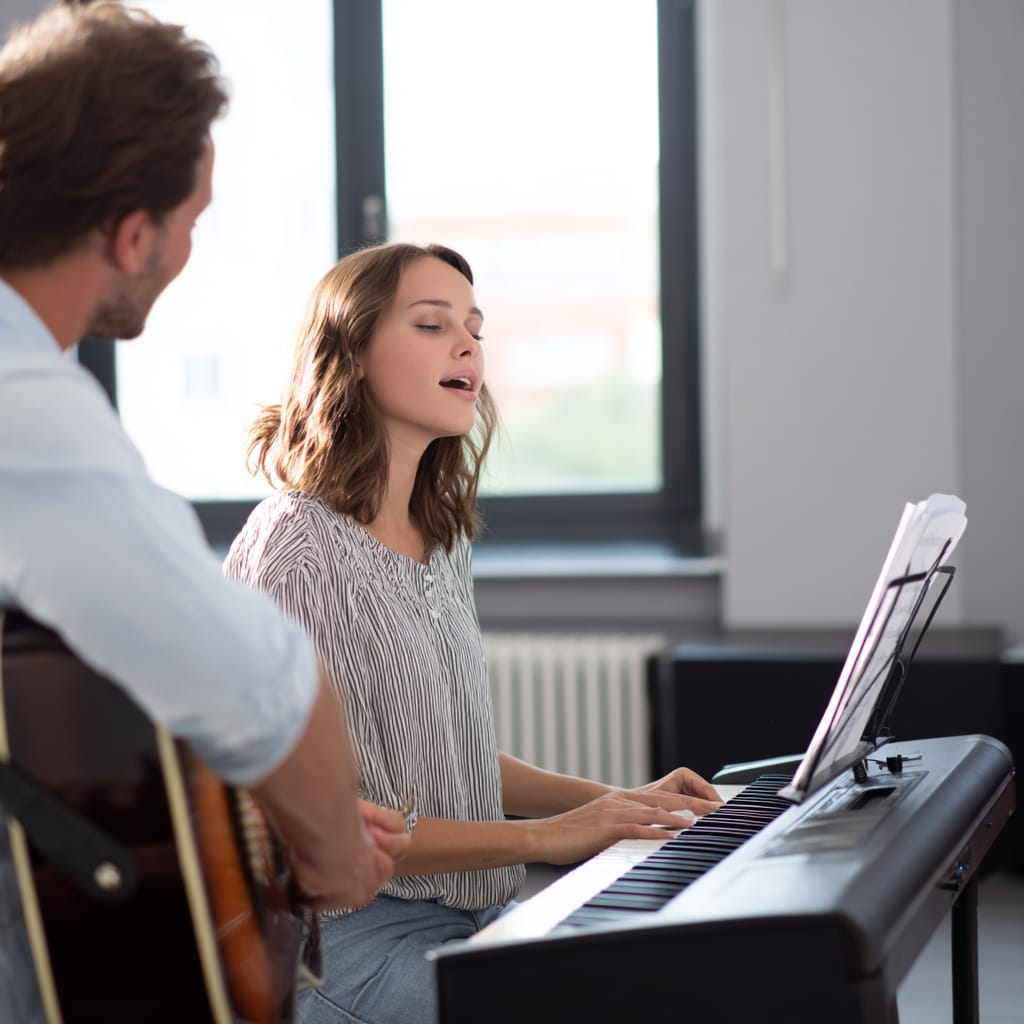
- Guitar for Emotional Strength: A father battling colon cancer learned guitar with his teenage daughter. The shared experience reduced feelings of isolation and gave them both renewed optimism during treatment.
Psychological Healing Powers
- Reduced Depression: Music-making increases serotonin and dopamine, key neurotransmitters for happiness.
- Mindfulness: Playing music keeps the mind present, reducing spirals of worry about illness.
- Hope and Identity: Serious illness can rob patients of identity; music rebuilds a sense of self beyond “being sick.”
How Music Schools Support Healing
Professional music schools are more than educational centers—they can be healing spaces:
- Offer gentle, adaptive lessons for patients with limited strength or mobility.
- Provide therapeutic music programs alongside traditional instruction.
- Create community support, helping students form meaningful connections while facing health battles.
Many schools now collaborate with music therapists to design programs specifically for children and adults undergoing treatment, making lessons both safe and restorative.
Conclusion: Music as a Partner in Recovery
While music doesn’t replace medical treatment, it complements it powerfully. The act of playing an instrument engages mind and body in healing ways: calming nerves, improving immunity, and nurturing the soul.
When someone picks up an instrument during illness, they’re not just learning music—they’re choosing life, hope, and resilience. Every note played becomes a step toward recovery, proof that beauty and creativity can triumph even in the darkest times.