How Playing Music Transforms Children’s Mental Health
In today’s fast-paced world, children face increasing mental health challenges—anxiety, depression, ADHD, and social phobias are becoming alarmingly common. While therapy and medical support play critical roles, many families are turning to a timeless yet scientifically backed solution: playing music.
Music is not just an art—it’s a proven therapeutic tool that reshapes emotional well-being, boosts self-esteem, and helps children overcome deep-seated fears. From clinical studies to real-life transformations, the evidence is clear: learning to play an instrument can be life-changing for a child’s mental health.
How Music Engages the Brain and Emotions
Playing music activates multiple brain regions simultaneously:
- Prefrontal Cortex: Enhances decision-making and emotional regulation.
- Amygdala: Modulates fear and stress responses.
- Hippocampus: Strengthens memory and learning.
- Reward Centers: Releases dopamine, improving mood and motivation.
Unlike passive listening, active music-making (learning, practicing, performing) involves complex motor skills, auditory feedback, and emotional expression—all contributing to improved mental health resilience.
Common Mental Health Challenges in Children and How Music Helps
1. Anxiety Disorders
Children with anxiety often struggle with overwhelming fear, perfectionism, or difficulty coping with stress.
How music helps:
- Playing instruments engages focus, calming intrusive thoughts.
- Structured lessons provide predictable routines that reduce uncertainty.
- Performing in supportive environments gradually builds confidence.
Case: Sofia, age 9, developed social anxiety after changing schools. She started violin lessons at a local music school. Initially terrified to play in front of anyone, her teacher introduced small “concert moments,” playing only for one friend, then her parents. Within six months, Sofia performed at a school recital, smiling and bowing proudly—her first major step toward overcoming fear of public situations.
2. Attention Deficit Hyperactivity Disorder (ADHD)
ADHD often causes impulsivity, difficulty focusing, and restlessness.
How music helps:
- Instrument practice enhances attention span through structured repetition.
- Rhythm training improves timing, self-control, and executive function.
- Group ensembles teach patience and cooperation.
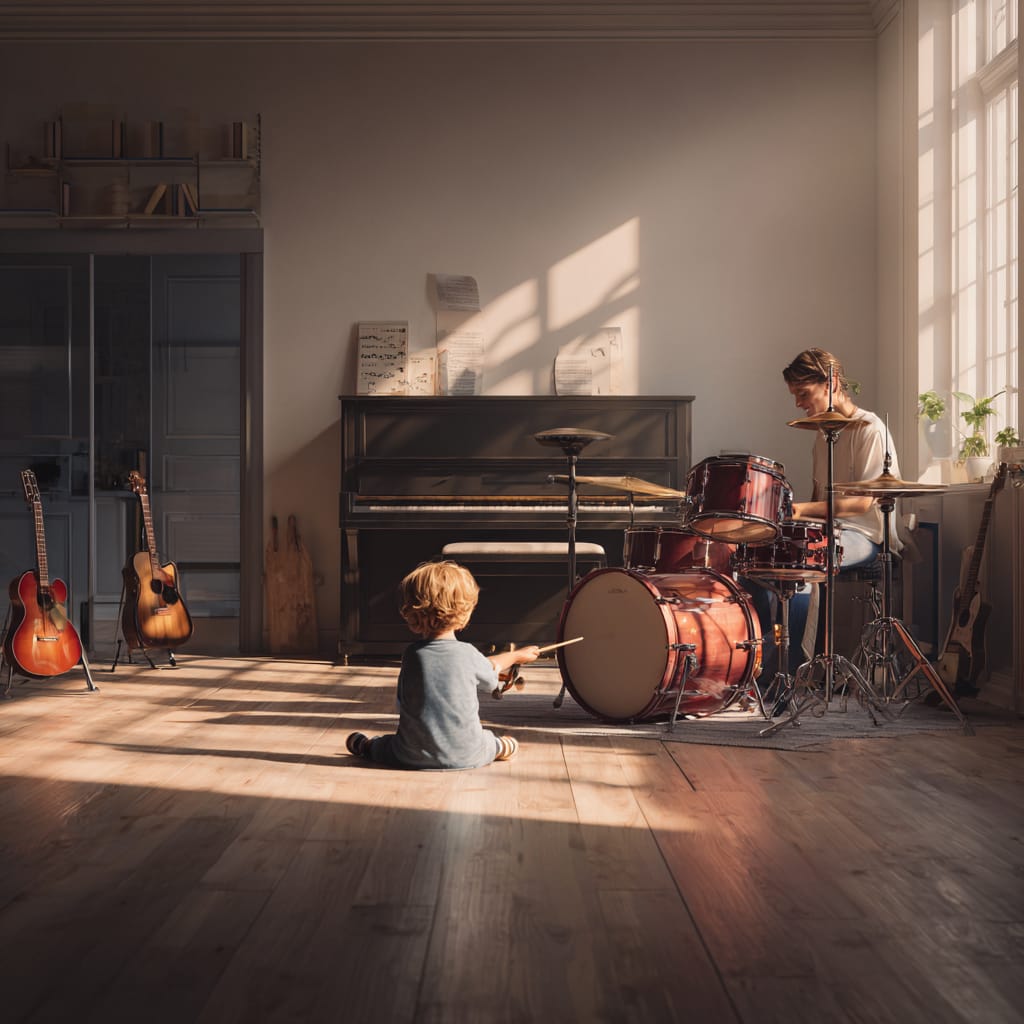
Case: Leo, age 10, had trouble sitting still in class. When introduced to drums, he channeled his energy into rhythm exercises. Teachers noted improved classroom focus and fewer behavioral issues. His parents reported calmer evenings as daily drumming became a natural stress release.
3. Depression and Low Self-Esteem
Depression in children can manifest as withdrawal, sadness, and lack of motivation.
How music helps:
- Playing music stimulates dopamine release, improving mood.
- Achieving small musical milestones builds a sense of accomplishment.
- Expressing feelings through music offers a safe, non-verbal outlet.
Case: Amira, age 12, struggled with feelings of isolation after bullying incidents. Starting guitar lessons gave her a new identity as a “musician.” Writing her first song about friendship restored her confidence. She later performed it at a talent show, earning standing applause from peers and teachers alike.
4. Autism Spectrum Disorder (ASD)
Children with autism often face challenges with communication, sensory processing, and social interaction.
How music helps:
- Structured rhythms improve predictability and reduce sensory overload.
- Playing in ensembles promotes turn-taking and cooperation.
- Musical improvisation encourages non-verbal communication.
Clinical studies confirm that music interventions enhance social skills and emotional engagement in children with ASD. For some, it becomes a bridge to connecting with peers when words fall short.
5. Post-Traumatic Stress Disorder (PTSD) and Childhood Trauma
Trauma can cause deep emotional scars, including nightmares, fear, and difficulty trusting others.
How music helps:
- Soothing melodies and repetitive practice calm hyperactive stress responses.
- Songwriting allows children to narrate their stories safely.
- Group music activities rebuild a sense of community and safety.
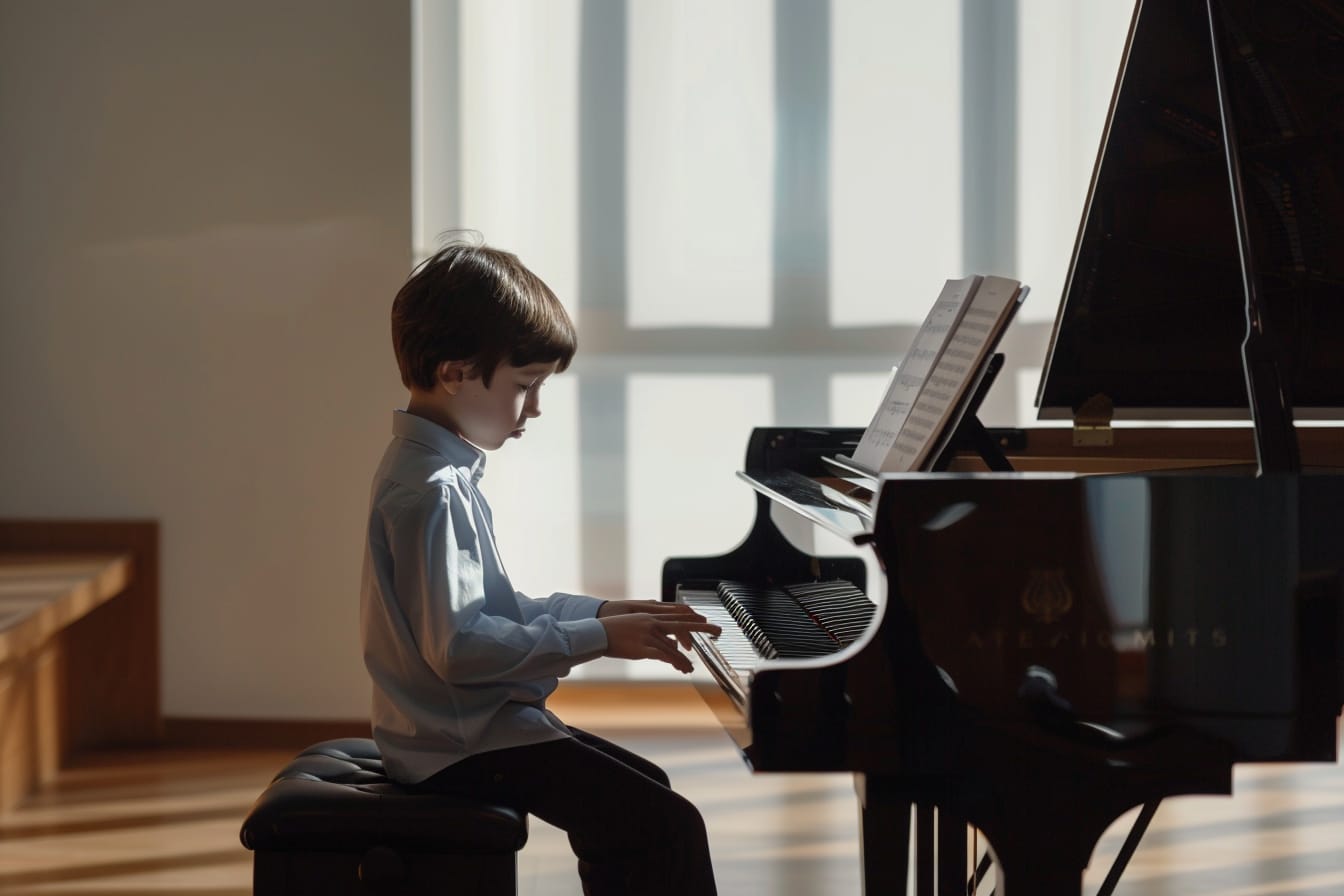
Case: Daniel, age 11, witnessed a family accident and became withdrawn, fearful of leaving home. A music therapist introduced him to the piano. Through improvisation, Daniel expressed emotions he couldn’t verbalize. Over time, he began speaking again and returned to school, carrying his love of piano as a source of strength.
Scientific Evidence Supporting Music and Mental Health
- A 2023 study published in Frontiers in Psychology showed that children participating in weekly music lessons had significantly reduced anxiety levels compared to non-musical peers.
- Research from McMaster University found that musical training strengthens brain networks responsible for attention and emotion regulation, critical for managing ADHD and anxiety.
- The American Music Therapy Association reports that music interventions reduce depression symptoms and improve social engagement across pediatric populations.
Why Playing (Not Just Listening) Makes the Difference
- Active Learning: Playing requires focus, discipline, and hands-on problem-solving.
- Emotional Release: Instruments allow children to “speak” through music when words are difficult.
- Confidence Building: Performing, even in small steps, transforms self-image.
- Community: Group lessons and ensembles create belonging and shared joy.
How a Music School Helps
Professional music schools provide:
- Tailored Lessons: Teachers adapt to a child’s emotional and physical needs.
- Safe Environment: Supportive, non-judgmental spaces where children feel free to express themselves.
- Therapeutic Guidance: Some schools collaborate with music therapists for deeper emotional healing.
- Performance Opportunities: Gradual exposure to audiences builds bravery and communication skills.
Conclusion: Music as Medicine for the Mind
From anxiety to ADHD, depression to trauma, playing music empowers children to heal, grow, and rediscover joy. Every note played is a step toward emotional balance and confidence.
By enrolling your child in a music school, you’re not just giving them an extracurricular activity—you’re providing a powerful, scientifically supported tool for mental health and lifelong resilience.
Music isn’t only heard—it’s felt, transformed, and lived, shaping stronger, happier children ready to face life’s challenges.