How to Introduce Genre-Blending into Classical Music Lessons for Children
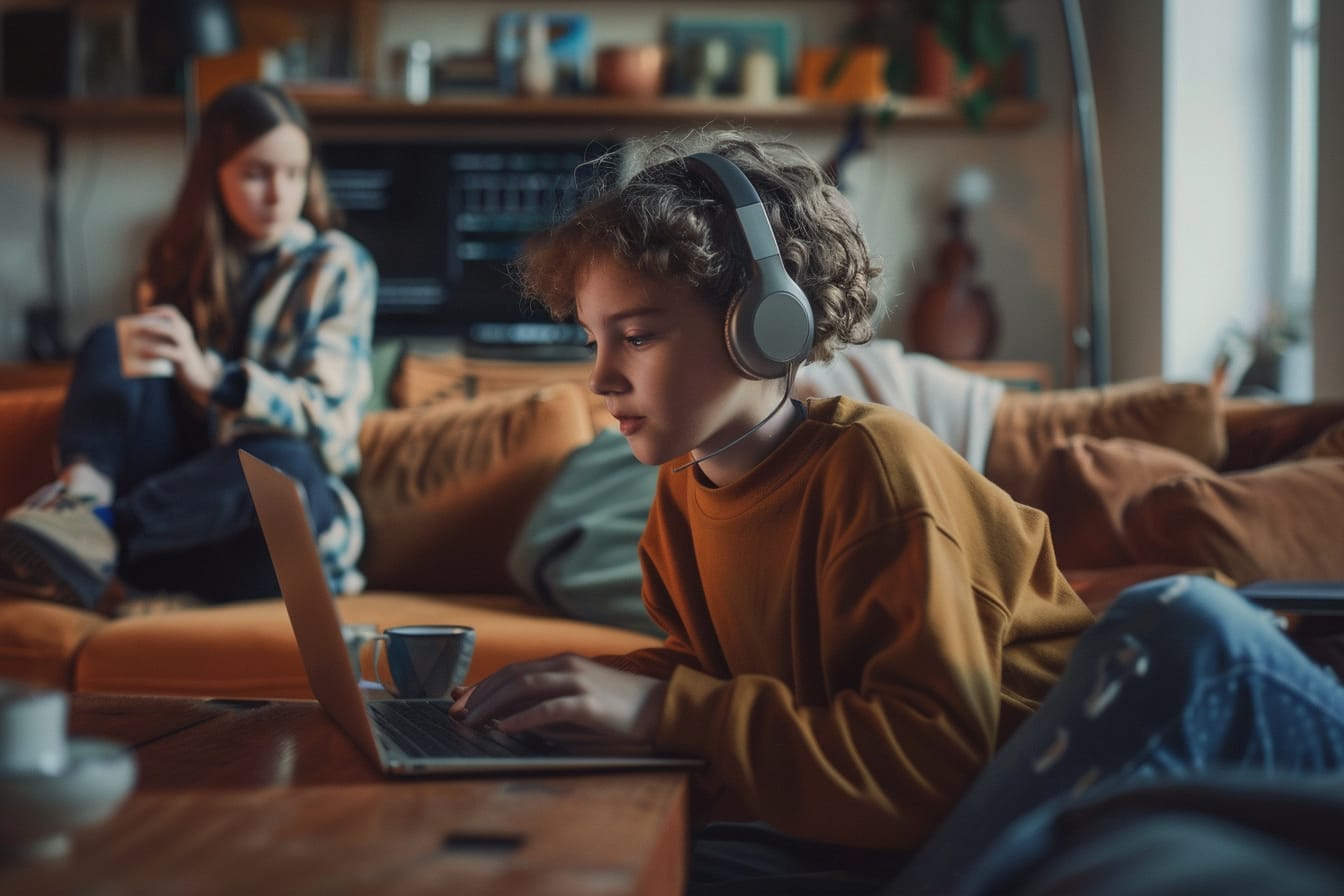
It starts with a spark. A child who loves their violin, but suddenly lights up when they hear a jazz riff. A young cellist who watches a movie and asks, “Can I play something like that?” A pianist who taps along to a pop song on the radio and then shyly tries to find the chords.
That moment—when curiosity reaches beyond the page—is where musical growth begins. And as music educators, it's our job not to tame that spark, but to feed it.
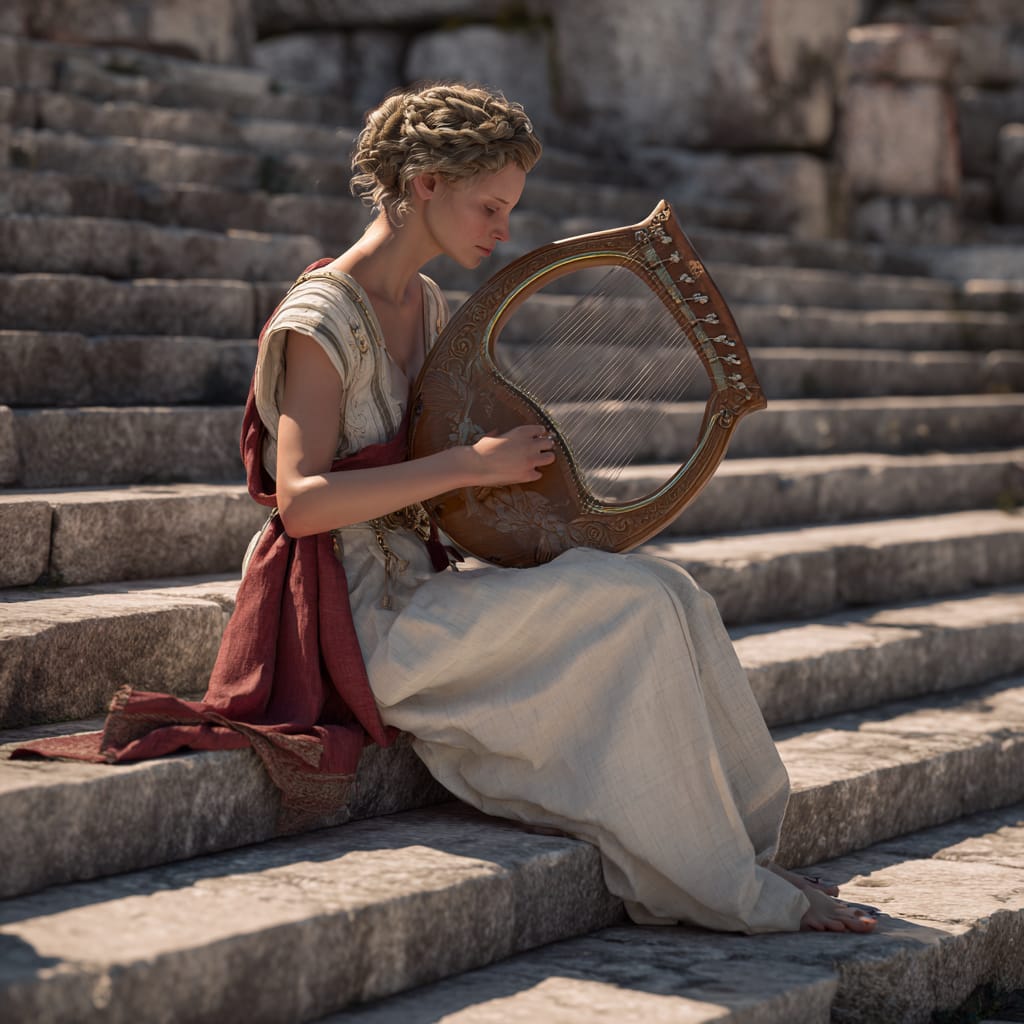
Traditionally, classical training has focused on precision, discipline, and repertoire. These are vital tools that build strong, confident musicians. But today’s students live in a world of infinite sound. They hear trap beats one minute, anime soundtracks the next, then walk into a lesson and are asked to play Haydn. That contrast can either build walls—or open doors.
The good news is that classical instruments are remarkably flexible. The violin can fiddle. The clarinet can swing. The piano can drive a rock anthem just as well as it renders a prelude. And children, naturally creative, are eager to explore—if we let them.
So, how do you introduce other genres without abandoning structure?
You begin with familiarity. When a student recognizes a pop melody or a film theme, try arranging it for their instrument. Teach them how to find it by ear if possible. Use simplified sheet music if needed. Even the most basic version of the theme from Harry Potter, Pirates of the Caribbean, or Minecraft can bring a sense of joy and relevance to classical technique.
Then, you invite experimentation. Add swing to a scale exercise. Let them try improvising over a simple blues pattern. Introduce them to a tango rhythm and let them play it on the cello. Watch as they begin to see their instrument not just as something historical, but as something living and capable of anything.
These experiences don’t need to replace traditional training—they can enrich it. A student who understands how to improvise a jazz solo will phrase a Mozart concerto with greater fluidity. A child who knows how pop chords work will read harmony more intuitively in their études. The genres may differ, but the muscles they build often overlap.
For teachers, it takes flexibility. For parents, it takes encouragement. And for students, it takes permission—permission to be curious, to play what they love, and to blend Bach with Billie Eilish if that’s what keeps their heart in it.
Some teachers worry that stepping outside classical canon will dilute a child’s discipline. But in truth, genre-blending often does the opposite. It brings ownership. It transforms practice from duty to dialogue. It allows a young musician to say: “This is mine. I’m not just repeating someone else’s music. I’m finding my voice.”
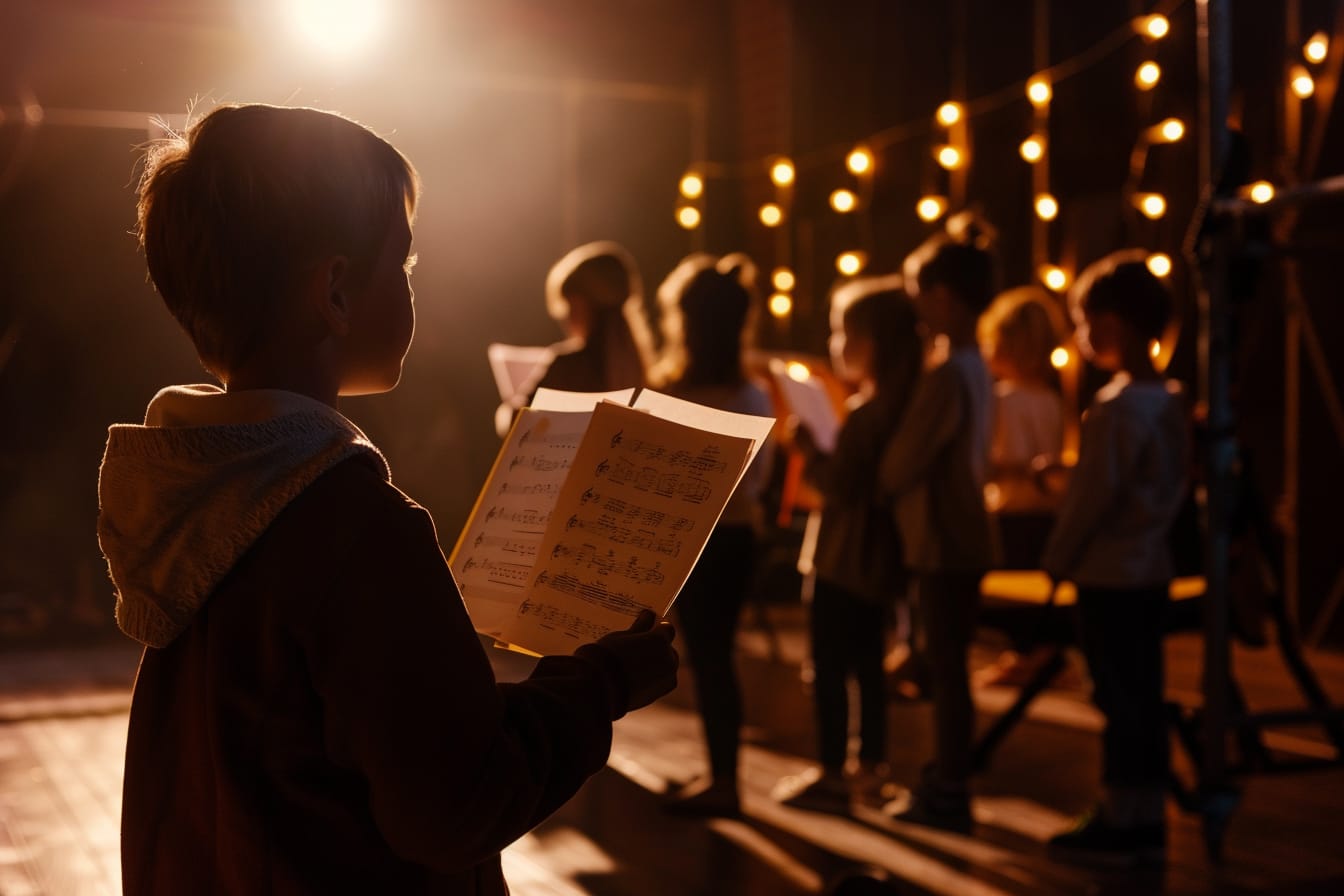
At our school, we celebrate that voice. We teach scales and arpeggios, but we also teach how to listen, adapt, and imagine. We encourage our students to bring in their favorite songs. We give them tools to arrange, to improvise, to create. We remind them that every genre they love—jazz, rock, folk, pop, even EDM—was once as radical as Beethoven in his day.
Because when children realize that their classical instrument can speak any language, they don’t outgrow it. They grow into it.