The Timeless Power of Playing in an Orchestra
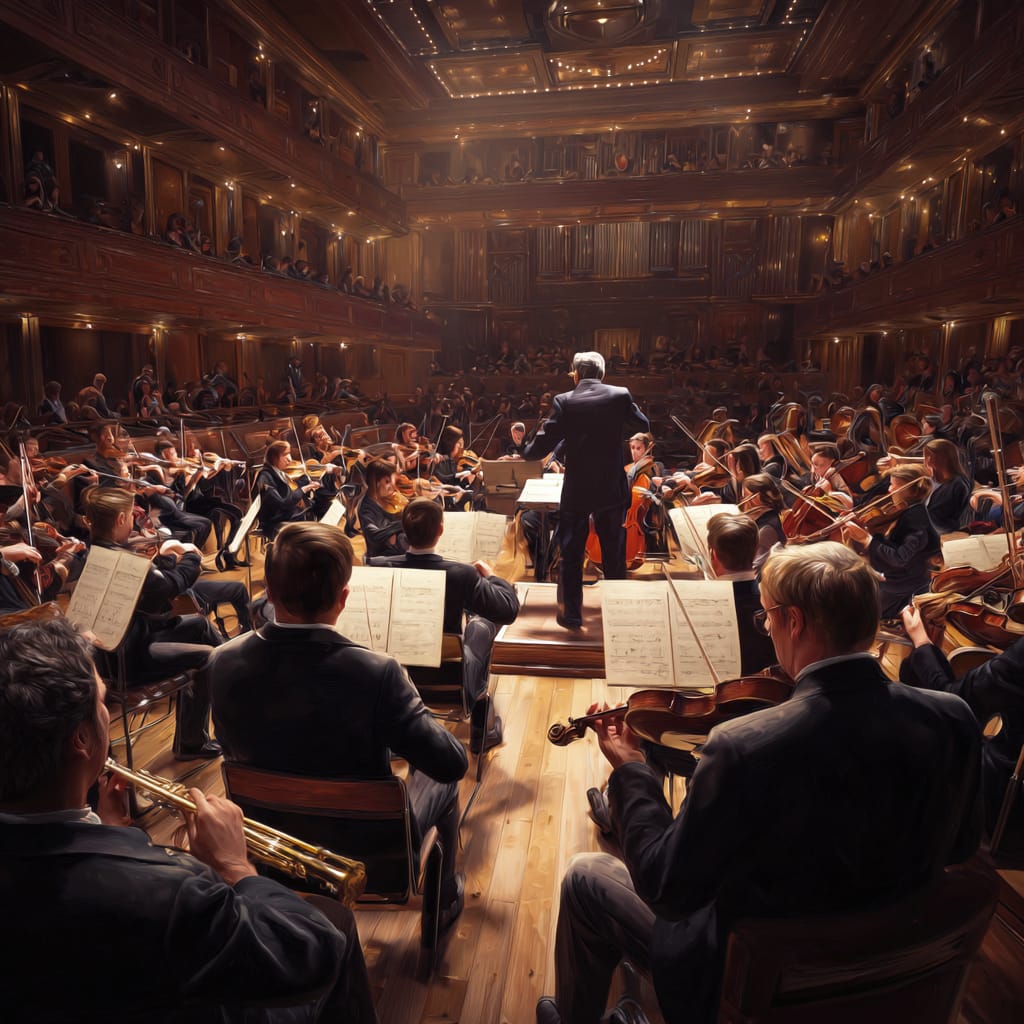
There is a moment, just before the conductor raises the baton, when everything goes still. Dozens of musicians—some young, some seasoned—sit with instruments in hand, waiting. And then, with a small movement, the silence breaks into sound. First one note, then a phrase, then a chorus of instruments moving together like breath, like heartbeat, like a single, massive voice.
This is the orchestra.And to play in one is to be part of something ancient, communal, and deeply human.
A Brief History of the Orchestra: A Collective Dream
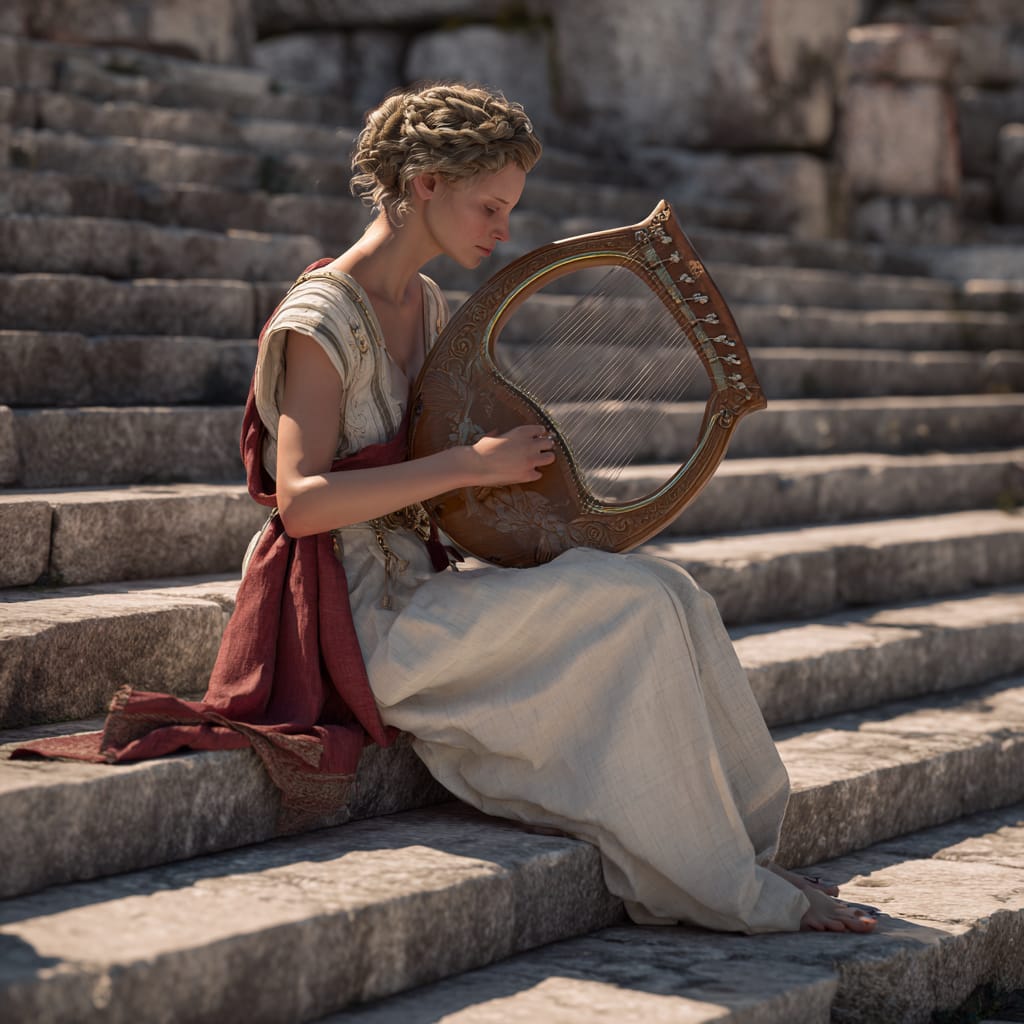
The idea of many musicians playing together is as old as civilization itself. Ancient Egyptians, Greeks, and Chinese dynasties all had large ensembles. But the orchestra as we recognize it today began taking shape in 17th-century Europe, particularly in the royal courts of France and Italy.
In the Baroque period, composers like Monteverdi and Corelli began arranging music not just for individual players, but for whole sections—violins, violas, harpsichords—each with their own function in a delicate ecosystem. By the time of Bach, Haydn, and Mozart, the orchestra had become both a symbol of artistic sophistication and a vehicle for emotional grandeur.
But what’s often overlooked in this history is that orchestras were not only created to impress kings—they were built to bind people together. The magic was not just in the music, but in the act of many humans working in unison to create something no one could achieve alone.
Playing in an Orchestra: A Unique Human Experience
There is something sacred about making music with others. In the orchestra, you are simultaneously a soloist and a servant, responsible for your own part, and yet completely interwoven into a larger whole.
You play your single voice—a clarinet line, a second violin harmony, a soft timpani rhythm—and somehow it becomes more than the sum of its parts. You’re not just hearing music. You’re inside the music. You feel it moving around you, through you, from the breath of the flutes to the swell of the cellos.
And perhaps most remarkably, you're doing all of this without speaking a word.
What Children Learn in the Orchestra Cannot Be Taught Alone
For young musicians, orchestral playing is one of the most powerful experiences in their development—not just musically, but personally. In an orchestra, they learn how to listen deeply, to anticipate, to adjust, to lead and follow at the same time.
They learn that every sound matters—and that their silence matters too.
They learn trust. You must trust the conductor to guide you. Trust your stand partner to turn the page at the right moment. Trust that when you come in on that soft entrance after 24 bars of counting rests, everyone will be right there with you.
These are not just musical lessons. They’re lessons for life.
The Emotional Resonance of Belonging
Many musicians will tell you: they stayed in music not because of the solos or the grades, but because of the orchestra.
It becomes a kind of home. A place where you are valued for your unique voice but never expected to carry the weight alone. For children who feel shy, different, or disconnected, the orchestra can be a quiet but powerful healing space—one where connection happens through sound, breath, and shared responsibility.
Even for adults, community orchestras often become anchors of identity. After long days at work, they come together—not to compete, not to show off—but to create. They breathe together. They fail together. They recover together.
In a world where connection is often reduced to screens and text, orchestral music offers something ancient and irreplaceable: the joy of belonging through creation.
Why Orchestras Still Matter
In an age of digital audio and instant gratification, you might wonder: why still train for orchestra? Why push for ensemble precision in a world full of solo acts?
Because orchestras represent something we desperately need: unity without uniformity.Different instruments. Different roles. Different sounds. All woven into harmony.
And in teaching children to play in an orchestra, we don’t just teach them to become better musicians—we teach them to become better listeners, better collaborators, better humans.
Final Thought: An Invitation to Step Into Something Bigger
If your child is learning music, don’t stop at private lessons and solo recitals. Let them step into the orchestra. It’s there that music becomes alive—not just as a skill, but as an experience of community, expression, and purpose.
Let them feel that swell of harmony rise around them. Let them wait in that sacred silence before the downbeat. Let them understand, in their bones, that they are part of something bigger.
Because when they do, they won’t just play music.They’ll become music.