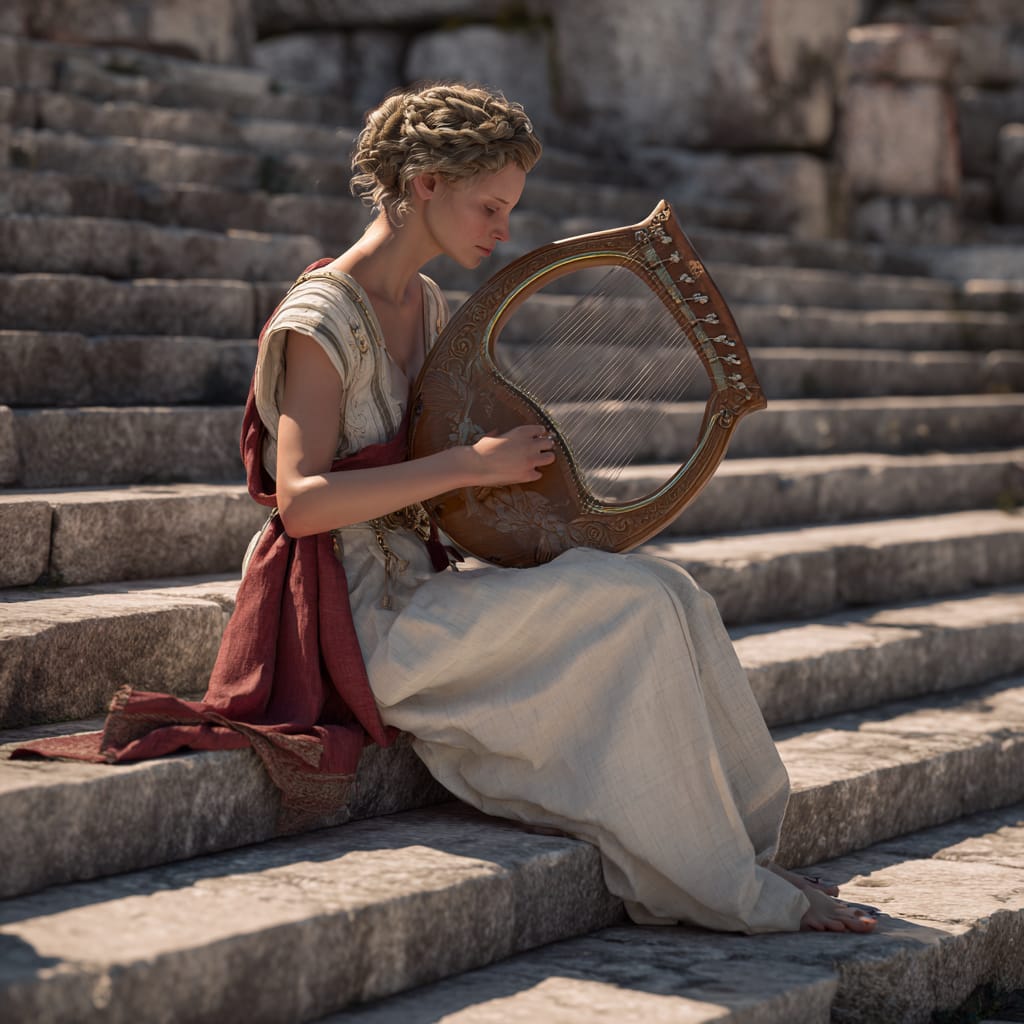
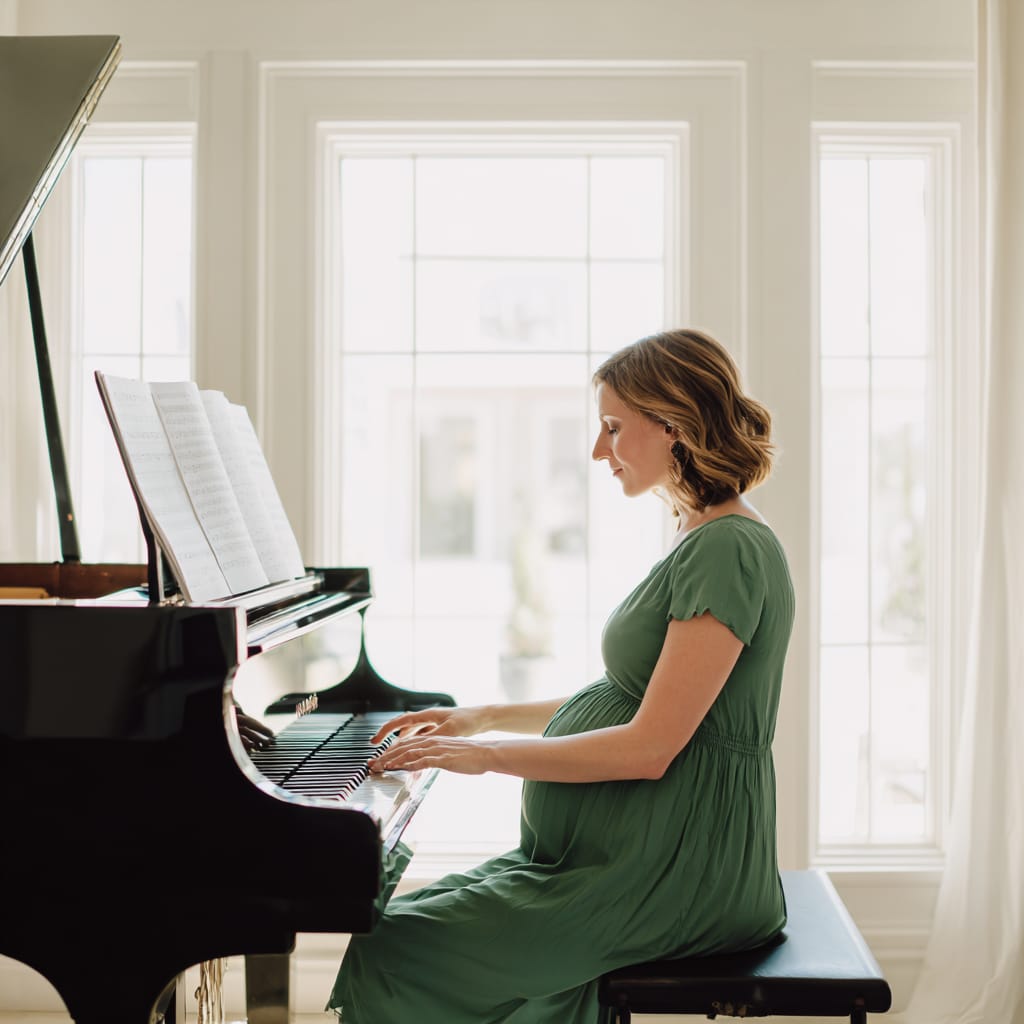
There’s a moment that happens more often than one might expect. Someone—perhaps in their thirties, fifties, even seventies—walks through the doors of a music school with hesitant eyes and an old dream tucked quietly into their heart. Sometimes it’s a parent who once loved the violin but never got past the basics. Sometimes it’s a retired engineer who always wanted to play jazz piano but never had the time. And almost always, the question arrives before they even sit down: “Isn’t it too late for me?”
It’s one of the most persistent myths in the arts—that music is a young person’s game. That if you didn’t start at five with Suzuki method or spend your teenage years locked in a practice room, the train has long since left the station. But here’s the truth, plain and simple: music is not a race, and its doors do not close at any age.
Music and the Brain: A Lifelong Dialogue
Modern neuroscience continues to uncover what musicians have long suspected: learning music stimulates the brain in profound ways, and it does so at any stage of life. Adults often bring something to the table that children don’t—focus, emotional maturity, and the ability to set goals and follow through. Yes, it may take longer to build finger dexterity or train the ear, but the adult brain remains adaptable, especially when learning is tied to something meaningful.
Studies have shown that playing an instrument improves memory, attention, and coordination in adults. It slows cognitive decline. It reduces anxiety and depression. In fact, music has been successfully used as therapy for patients recovering from strokes, trauma, and even degenerative diseases. What begins as a creative hobby can become a powerful anchor of well-being.
Different Goals, Different Journeys
We often fall into the trap of comparing our path to that of prodigies. But learning music as an adult is not about becoming a concert pianist or a chart-topping guitarist. It’s about something more personal—expression, joy, connection, confidence. It’s about creating music for your family, playing a song that’s always meant something to you, or discovering a new part of yourself.
Children learn with playful curiosity. Adults often learn with intention. They want to understand the “why” behind a piece, the history of a chord progression, the cultural context of a rhythm. And this depth of curiosity creates a different kind of musical fluency—one that’s deeply satisfying.
Late Beginnings, Long Legacies
History, too, reminds us that late starts are not failures—they’re beginnings. The American folk icon Elizabeth Cotten didn’t write her famous tune Freight Train until she was well into her forties. British composer Havergal Brian composed the bulk of his 32 symphonies after the age of 60. Many professional jazz musicians, particularly in New Orleans, didn’t pick up an instrument until adulthood.
Even if the goal isn’t public performance, countless amateur musicians have found incredible fulfillment joining local choirs, community orchestras, or jam sessions after retirement. Music does not demand that we be young—it only asks that we be present.
A Message for Parents
For those raising children: remember that when you model curiosity, you give your children permission to explore as well. When they see you struggle through your first scales or smile after a successful lesson, they learn that learning is lifelong—and that music belongs to everyone, not just the talented few.
Imagine a household where the child is learning violin and the parent is learning guitar. Imagine the bond built through duets, mistakes, and shared discoveries. Music becomes more than a subject—it becomes a family language.
So, When Is It Too Late?
The answer is simple: never.
As long as your fingers can move and your mind can wonder, music will meet you where you are. It doesn’t care how long you’ve waited. It only asks that you listen.
So come to the keys, the strings, the songbook, the rehearsal room. Come with your busy schedule, your doubts, your aches, and your questions. Come late, come early, come uncertain.
Just come.
Because music has been waiting for you, not the other way around.