Wind instruments (trumpet, flute, saxophone, clarinet) require controlled, powerful breathing. This strengthens the respiratory system, making it beneficial for those recovering from lung conditions.
Case: Trumpet Playing After COVID-19
✓ After COVID-19, many patients experience reduced lung capacity and breathing difficulties.
✓ Music rehabilitation programs have introduced trumpet and flute exercises to help rebuild diaphragm strength and control.
✓ Patients reported better oxygen flow, increased stamina, and improved recovery of pulmonary function.
A 2022 clinical study in Respiratory Medicine found that regular wind instrument playing improved lung function in post-COVID patients, similar to physiotherapy breathing exercises.
Playing instruments like piano, violin, or guitar requires upright posture and symmetrical hand use. With proper instruction, this strengthens back, shoulder, and core muscles, improving alignment and reducing pain.
Case: Piano Lessons Relieving Back Pain
✓ A 12-year-old student developed mild scoliosis and posture-related back pain.
✓ Piano lessons with posture-focused teaching encouraged straight spinal alignment and balanced shoulder movement.
✓ After 6 months, physical therapy assessments showed improved muscle tone and less frequent pain episodes.
Similarly, string players (violin, cello) with guided ergonomics develop strong postural support, beneficial even outside music practice.
3. Enhancing Motor Skills and Coordination
Instrumental play involves precise finger movements, bimanual coordination, and timing. This boosts:
✓ Fine motor skills: Essential for tasks like writing and crafting.
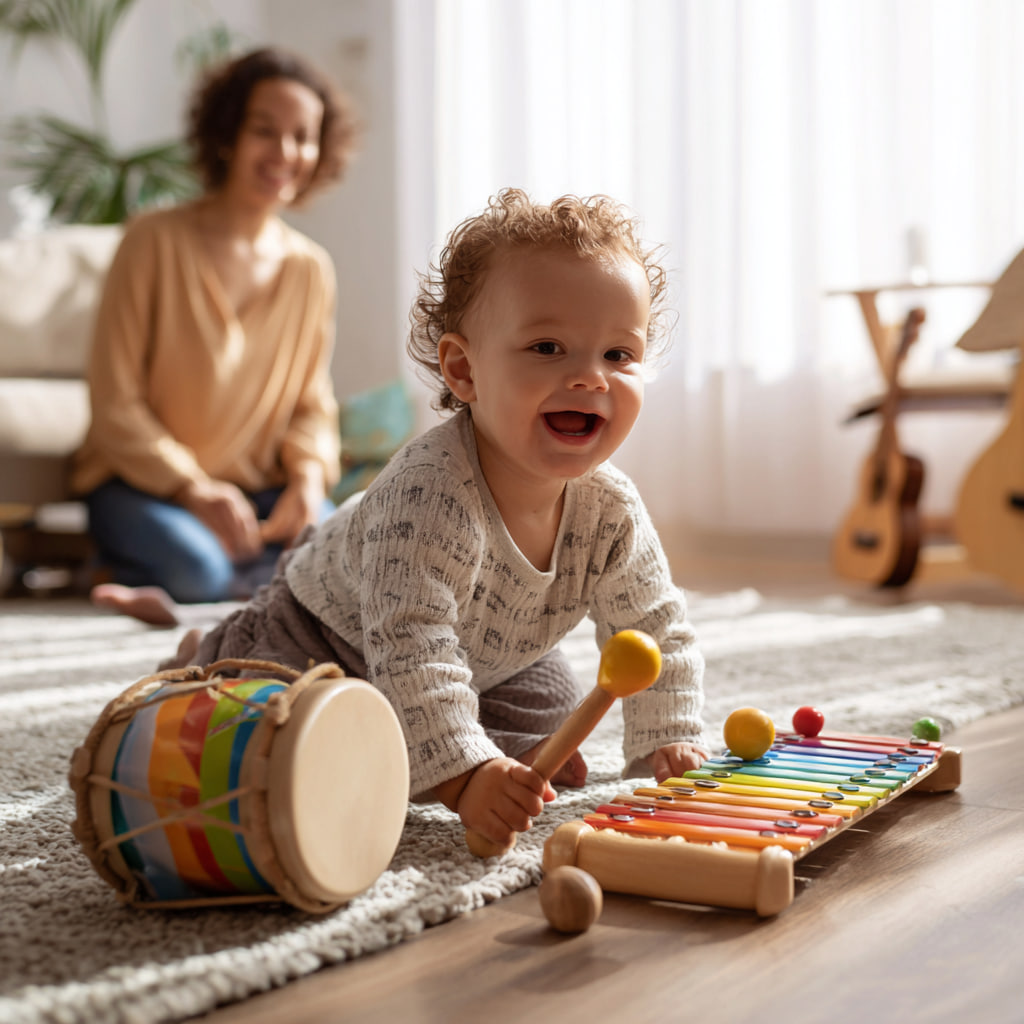
✓ Gross motor coordination: Percussion instruments, such as drums or xylophones, engage arms and legs simultaneously.
✓ Hand-eye synchronization: Following sheet music while playing trains complex coordination pathways.
Case: Guitar Lessons and Motor Rehabilitation
✓ A child recovering from a wrist fracture used guitar finger exercises as part of physiotherapy.
✓ Strumming and chord practice improved flexibility and grip strength, aiding recovery faster than standard exercises alone.
Instrumental play involves precise finger movements, bimanual coordination, and timing. This boosts:
✓ Fine motor skills: Essential for tasks like writing and crafting.
✓ Gross motor coordination: Percussion instruments, such as drums or xylophones, engage arms and legs simultaneously.
✓ Hand-eye synchronization: Following sheet music while playing trains complex coordination pathways.
Case: Guitar Lessons and Motor Rehabilitation
✓ A child recovering from a wrist fracture used guitar finger exercises as part of physiotherapy.
✓ Strumming and chord practice improved flexibility and grip strength, aiding recovery faster than standard exercises alone.
Drumming and percussion playing are physically active and raise the heart rate moderately, providing a light cardio workout. Group drumming sessions are even used in rehabilitation centers to boost circulation and endurance safely.
Music often serves as adaptive therapy for children with cerebral palsy, muscular dystrophy, or other physical impairments:
✓ Customized instruments and techniques allow participation despite limited mobility.
✓ Piano and percussion exercises improve muscle control and range of motion.
✓ Studies in Journal of Music Therapy report enhanced hand dexterity and movement confidence in children undergoing music-based rehabilitation.
Music stimulates neuroplasticity—helping the brain form new connections after injury:
✓ Stroke Recovery: Playing keyboard or drums aids in regaining arm and hand function.
✓ Speech and Swallowing: Wind instrument exercises strengthen oral muscles, improving speech clarity.
Case: A teenage stroke survivor used harmonica lessons to regain control of facial muscles, significantly improving speech and breathing within months.
✓Trumpet / Wind instruments: Improve lung health, diaphragm strength, breath control.
✓ Piano: Enhances posture, finger dexterity, core muscle strength.
✓ Drums / Percussion: Increases stamina, cardiovascular health, coordination.
✓ Guitar / Strings: Builds hand strength, motor skills, and flexibility.
✓Voice Training: Strengthens respiratory system and posture, improves oxygen efficiency.
Role of a Music School in Physical Health
A professional music school provides:
✓ Ergonomic Training: Correct posture and technique prevent injuries.
✓Adaptive Programs: Tailored lessons for children with health limitations.
✓ Therapeutic Collaboration: Partnerships with physiotherapists for music-based rehab programs.
✓ Safe Progression: Gradual skill-building ensures physical comfort and sustainability.
Music lessons are not just a creative outlet—they can be a pathway to better physical health. From rebuilding lungs after illness to correcting posture and improving coordination, playing an instrument engages the whole body in healing ways. By enrolling a child in a qualified music school, parents provide not only artistic growth but also physical resilience and rehabilitation, ensuring music benefits mind, body, and soul.